
Foot care is often treated as a luxury- something people do when they get a pedicure, when they buy new shoes, or when foot pain becomes unbearable. But healthy feet are far more than a cosmetic bonus or occasional personal treat. They are the foundation of the entire body, affecting posture, mobility, circulation, balance, and even long-term wellness outcomes. Neglecting foot health can worsen underlying medical conditions, intensify discomfort, increase fall risk, and, in some cases, even mask early signs of disease.
Our feet tell the story of our overall health. And when we learn to listen and consistently care for them, we support your entire body from the ground up.
This comprehensive guide explores why foot health matters, the everyday habits that harm our feet, simple, transformative home remedies, and the restorative power of Ayurvedic foot care. Whether seeking relief, prevention, or a deeper relationship with our health, our journey begins with the two remarkable structures we stand on every day.
Why Foot Health Matters More Than We Think

Feet absorb hundreds of tons of force every single day. They carry us through work, workouts, and routines. But their importance goes far beyond mechanics.
Poor foot health can affect:
- Sleep quality
- Circulation throughout the body
- Joint alignment in knees, hips, and spine
- Balance and fall risk
- Inflammation levels
- Energy levels and mobility
- Signs of early medical issues, including diabetes, nerve damage, vascular problems, and vitamin deficiencies
Yet despite all this, feet are often ignored until something goes wrong.
“This is more than self-care; it can be life-saving. Not caring for our feet can hide underlying health issues.”
Common Causes of Poor Foot Health

Understanding what harms our feet is the first step toward rebuilding their strength and vitality. The contributors to foot problems are:
1. Walking Barefoot
Walking barefoot might feel grounding, but on hard or uneven surfaces, it can worsen cracks, calluses, infections, and pressure injuries. Grass and softer surfaces are generally less harmful.
2. Excess Weight
Feet are load-bearing structures, and extra weight significantly increases stress on bones, ligaments, and soft tissue.
3. Underlying Health Issues
Conditions such as diabetes, vitamin deficiencies, skin diseases, and fungal or bacterial infections can alter skin texture, circulation, and healing. These issues often first appear in our feet as numbness and non-healing sores (diabetes, poor circulation), swelling (heart, kidney, or liver disease), or sudden, intense pain in a big toe (gout). Other signs include dry, flaky skin (thyroid or fungal issues), yellow toenails (fungal infection), and persistent cramping (dehydration or nutritional deficiencies)
Foundational Foot Care: Simple Remedies That Make a Big Difference
The good news is that none of these steps requires expensive products or professional services. We can create a meaningful routine at home using simple, accessible items.
1. Soaking
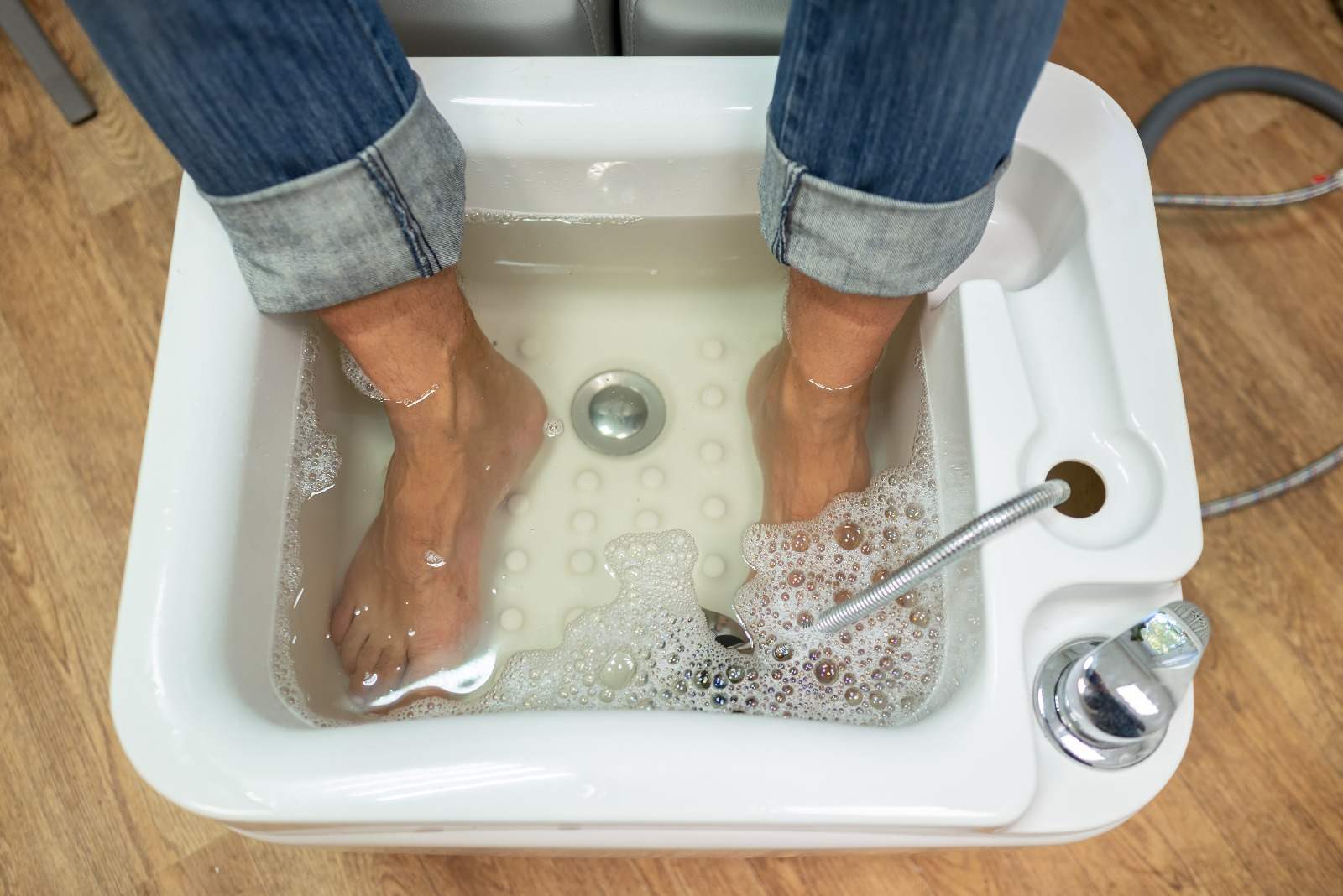
Soaking our feet softens skin, reduces swelling, and prepares the feet for exfoliation. Try:
- Warm water
- Epsom salt
- Mild soap
- Coconut or olive oil
- Apple Cider Vinegar
This combination soothes tired feet, calms inflammation, and supports detoxification.
2. Exfoliating
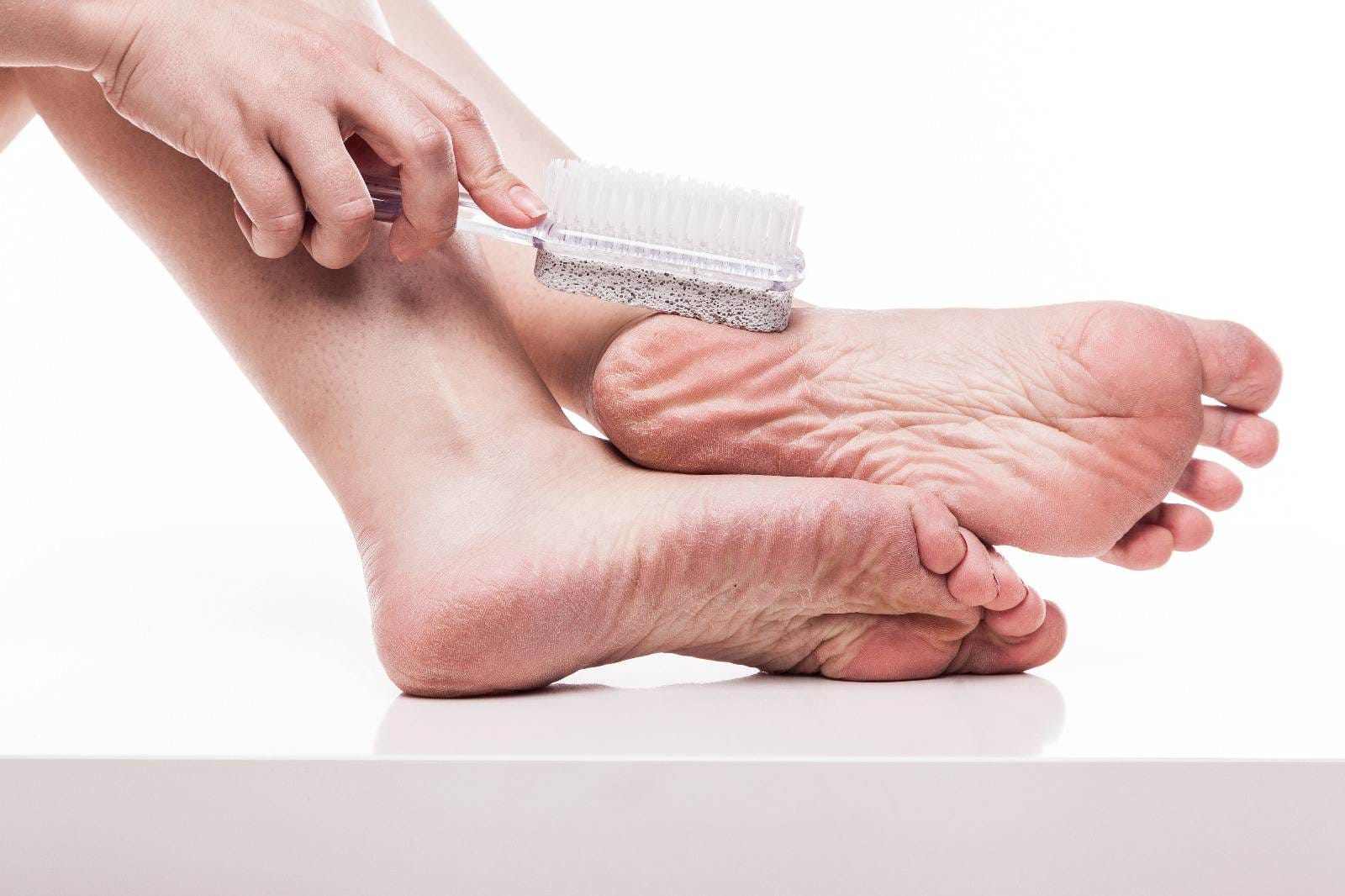
Removing dead skin helps prevent cracking and enhances absorption of hydrating products. You can use:
- A sugar foot scrub or alpha-hydroxy acid spray
- A pumice stone, foot rasp, or scrub brush
- A foot file
Important: Avoid over-exfoliating. Doing too much can damage healthy skin, leading to soreness and infection.
3. Hydrating
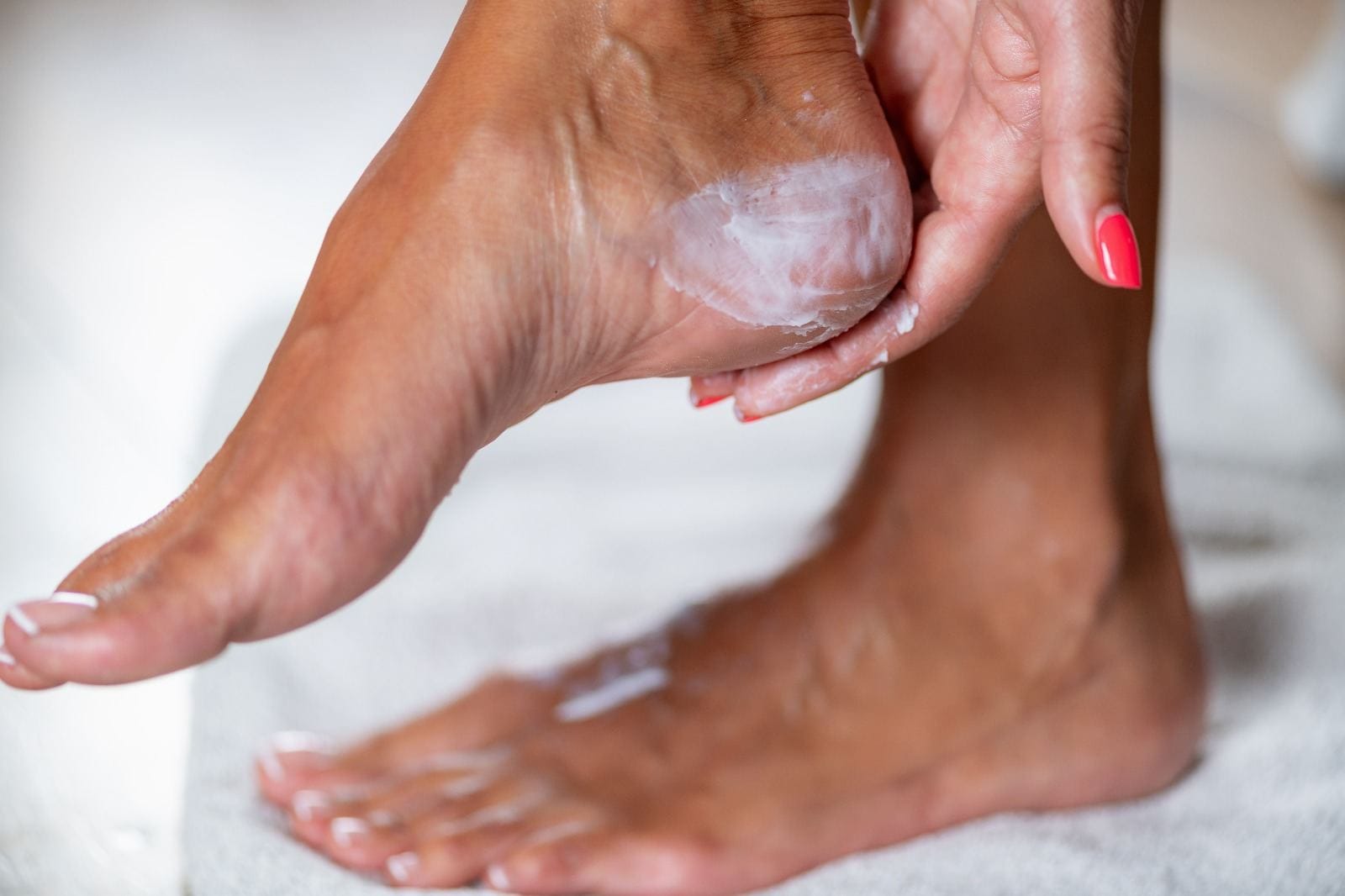
Hydration is the cornerstone of healthy feet. Effective moisturizers include:
- Urea cream
- Lanolin
- Shea butter
- Coconut oil
- Petroleum jelly
After moisturizing, enhance results by wearing:
- Cotton socks
- Foot masks
- Gel-lined socks
Sealing Cracks
Liquid bandage can seal deeper cracks, allowing them to heal while reducing the risk of infection.
A Deeper Path: Ayurveda’s Pad Abhyangam Foot-Care Ritual
What Is Pad Abhyangam?
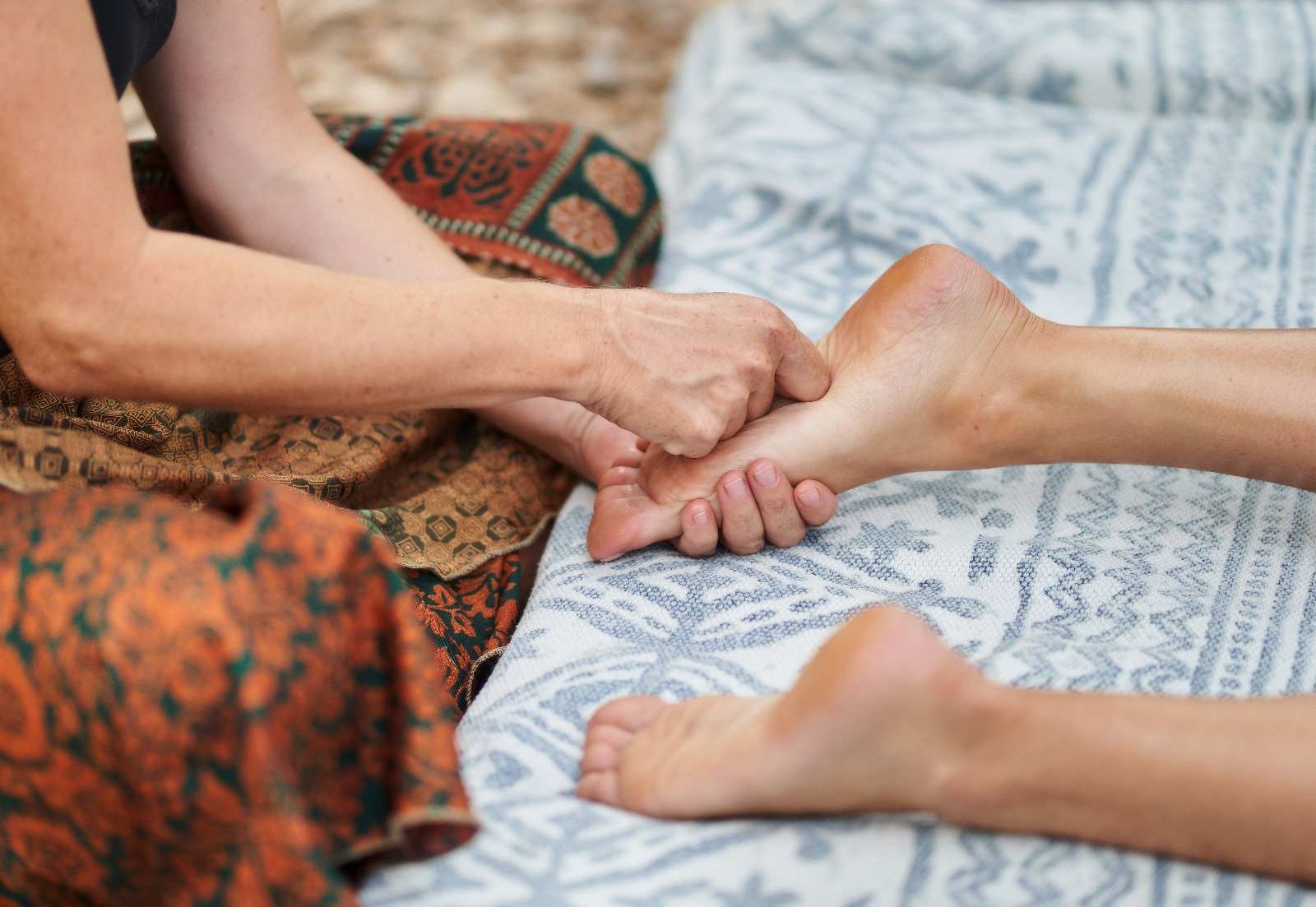
A grounding, oil-based foot massage that uses warm herbal oils to nourish the feet, stimulate energy points, and balance the body’s doshas (Vata, Pitta, Kapha).
Benefits of the Practice
- Detoxifies
- Improves sleep
- Enhances circulation
- Reduces pain and inflammation
- Balances doshas using specific oils
- Supports overall foot health
How to Perform Pad Abhyangam at Home
- Soak feet in warm water with 1–2 tablespoons of turmeric or ginger for detoxification.
- Exfoliate with a coconut oil sugar scrub.
- Hydrate by massaging warm dosha-specific oil into each foot for at least 15 minutes.
This ritual is a powerful blend of physical care, energy balancing, mindfulness, and rejuvenation. For professional evaluation and administration, please consult an accredited National Ayurvedic Medical Association (NAMA) practitioner.
How Daily Foot Care Improves Whole-Body Wellness
Even five minutes of foot care each day can produce measurable improvements in your health. Here’s how:
1. Better Circulation
Massaging and moisturizing the feet stimulates blood flow, which supports healing and reduces swelling.
2. Improved Sleep
Warm-oil foot massage calms the nervous system and can improve sleep quality—one of Ayurveda’s most cherished benefits.
3. Reduced Pain
Hydrated, well-cared-for feet experience less cracking, pressure pain, and inflammation.
4. Better Balance & Mobility
Healthy feet support the knees, hips, and spine, promoting better posture and more comfortable movement.
5. Early Detection of Health Issues
Changes in skin texture, color, sensation, or nail appearance often appear first in the feet. Caring for your feet helps you notice these signs early.
6. Mental and Emotional Well-being
Foot care is grounding, nurturing, and deeply calming—helping regulate stress and restore inner balance.
A Daily Foot-Care Routine Anyone Can Do
Morning Routine (2–3 min)
- Lightly moisturize feet after showering
- Put on breathable socks
- Stretch toes and ankles for one minute
Evening Routine (5–10 min)
- Wash feet with warm water
- Exfoliate lightly if needed (not daily)
- Apply a thick moisturizer or oil
- Slip on cotton or gel-lined socks
Weekly Ritual (15–20 min)
- Full soak
- Deeper exfoliation
- Pad Abhyangam oil massage
This combination can transform foot health in as little as two weeks!
Call to Action: Start Your Foot-Health Transformation Today
Our feet support us every single day—through work, stress, movement, and life. They deserve more than occasional attention. They deserve consistent love, care, and awareness.
✨ Start today. Choose one small step:
- Soak your feet tonight
- Moisturize them before bed
- Try the Pad Abhyangam ritual this weekend
- Examine your feet closely for changes
- Commit to a weekly foot-care routine
Experience better mobility, deeper sleep, improved comfort, and greater overall well-being.
The journey to whole-body health begins with our feet. Treat them with care, and they will care for us in return.
FAQs About Foot Care
1. How often should I soak my feet?
1–2 times per week is enough for most people. More frequent soaking may help with thick calluses, but should be balanced with moisturizing to prevent dryness.
2. What is the best moisturizer for cracked heels?
Urea-based creams (10–20%) are excellent for softening tough skin, and sealing cracks with petroleum jelly or liquid bandage can help deeper fissures heal faster.
3. Can foot problems really indicate health issues?
Absolutely. Diabetes, circulation problems, vitamin deficiencies, thyroid disorders, and fungal infections often show early signs in the feet.
4. Is walking barefoot harmful?
Walking barefoot on soft, natural surfaces (grass, sand) can be beneficial, but on hard floors, it may worsen dryness, calluses, and pain, especially if you already have foot issues.
5. What oils are used in Pad Abhyangam?
Traditionally, Vata-balancing oils like sesame, Pitta-balancing oils like coconut or sunflower, and Kapha-balancing oils like mustard or eucalyptus blends may be used.
6. How long should a foot massage last?
Ayurvedic tradition suggests 10–15 minutes per foot for full benefit, but even 3–5 minutes can improve circulation and relaxation.
7. Should I exfoliate every day?
No. Over-exfoliation damages skin and increases cracking. Once or twice a week is enough.