
The Bhagavad Gita, The Song of God with commentary by Swami Mukundananda serves as a guide to transform the mind from an enemy to a friend, making it fit to receive grace. The Bhagavad Gita is a comprehensive guide that helps individuals rise from bodily consciousness to self-awareness, and finally, to divine love and union with God. Swami Mukundananda describes the Bhagavad Gita not just as a philosophical text, but as a "manual for life transformation." The Gita guides seekers beyond self-realization to the ultimate goal of God-realization. While self-realization involves knowing one’s true identity as the soul, God-realization is the higher state of union with the Divine through devotion.
- Beyond Self-Realization: While the Gita teaches self-realization (understanding the self as a divine soul), this is a step toward the ultimate, more complete goal of God-realization.
- The Path of Devotion & Grace: The Gita emphasizes that by offering actions to God and surrendering to him, one attains divine grace, which is necessary for God-realization.
Divine Grace as bestowed by God is not as an arbitrary gift. Rather it is bestowed upon a devotee whose heart has been purified and prepared through dedicated sadhana (spiritual practice), surrender, and intense longing.
The Bhagavad Gita provides the highest and most accessible path to Divine Grace through cultivating devotion (Bhakti yog) and total surrender (Sharanagati). While the Gita outlines various paths to God, it ultimately highlights loving devotion as the easiest and fastest way to attain divine grace.
Bhagavad Gita as a Manual for Life Transformation

Reading the Bhagavad Gita as a source of practicable spiritual wisdom has the power to awaken devotion and bring about deep transformation of both the mind and the soul. Rather than offering abstract philosophy alone, the Gita speaks directly to the human condition, addressing inner conflict, doubt, fear, and moral struggle with clarity and compassion. Like Arjuna standing on the battlefield, individuals across generations turn to the Gita during times of personal crisis, emotional turmoil, confusion, or profound, life-altering challenges in search of guidance and inner stability. The dialogue between Shree Krishna and Arjuna reassures seekers that uncertainty and weakness are not signs of failure, but gateways to higher understanding when met with sincerity and humility.
At a deeper level, the Gita guides readers toward self-realization by revealing their true identity as the atman, the eternal soul, distinct from the temporary material body and fluctuating emotions. It clarifies life’s ultimate purpose and illuminates the soul’s intimate relationship with the Divine. Through this understanding, one begins to see life not as a series of random events, but as a sacred journey toward spiritual growth and divine connection. The Gita reminds us that we are not merely physical beings striving for worldly success, but divine souls, an infinitesimal yet eternal part of God, meant to live with awareness, devotion, and surrender. In this way, the Bhagavad Gita truly serves as a timeless manual for inner transformation and spiritual upliftment.
- Active Engagement: this union with God by performing duties (Karma Yoga) with the mindset that all work is for God’s pleasure.
- Overcoming Obstacles: The Gita provides tools to overcome the mind and ego, the main obstacles to God-realization, leading to a state of total absorption in God-consciousness.


The Gift of Divine Grace

Grace is often experienced as moments in life when things unfold better than expected; when unseen help, inner strength, or unexpected clarity arises beyond one’s personal effort. Divine grace cannot be earned through human endeavor alone; it is a gift bestowed by God out of pure compassion and love. While disciplined effort, moral living, and spiritual practices are important, they are not sufficient by themselves to compel grace. Grace descends, not due to entitlement or achievement, but as an expression of God’s boundless mercy.
From our side, the role of the seeker is to prepare oneself to receive this divine gift. Just as a clean vessel is needed to hold pure water, the mind and heart must be purified to become receptive to grace. Through self-reflection, control of the senses, sincere prayer, and conscious effort to remove ego, pride, and attachment, one gradually creates inner openness. This purification does not produce grace, but it removes the obstacles that block its flow.
According to Swami Mukundananda, Divine Grace, or Kripa, is the unearned and unconditional mercy of God that bestows spiritual progress, inner fulfillment, and supreme bliss. It lifts the soul beyond its limitations and accelerates spiritual growth in ways that personal effort alone cannot achieve. While self-effort refines the mind and disciplines the senses, grace alone has the power to transform the heart and awaken divine love.
Grace is accessed through complete surrender, humility, and sincere devotion. The gift of grace naturally flows when one relinquishes the false sense of doership and places full trust in God, acknowledging one’s dependence on the Divine. Grace, therefore, is not something we demand or attain by effort. It is received when the heart becomes pure, humble, and fully surrendered to the Divine.
Cultivating Devotion to Attract Grace

Grace is attracted by sincere, heartfelt devotion rather than the grandeur of external rituals. Fixing the mind on the personal form of God is the most effective way to prepare ourselves to receive Divine Grace. Sadhana bhakti (devotion through practice) and siddha bhakti (perfected devotion) ultimately lead to para bhakti (highest love.) Para bhakti is bestowed by Divine Grace when the heart is purified.


Shifting the Inner Focus
A key aspect of cultivating devotion is gradually redirecting the mind away from material identification and attachments, and fixing it steadily on God. The world is seen not as a source of lasting fulfillment, but as a temporary field for spiritual growth. As the mind becomes absorbed in remembrance of God, detachment arises naturally, and devotion deepens effortlessly.
Through an integrated process of surrender and devotion, tthe soul moves from effort‑based practice to grace‑filled realization, making the highest spiritual attainment both accessible and attainable.
Ego Dissolution
According to Swami Mukundananda, true surrender begins with the dissolution of the ego: the deeply ingrained tendency to control outcomes, assert independence, and claim authorship over actions. The ego resists surrender because it fears loss of identity and power. However, when a devotee consciously offers their will to God, acknowledging that all abilities, efforts, and results originate from the Divine, the burden of control is lifted. In this state of humility and dependence, the heart becomes receptive to divine grace (kripa), which alone has the power to transform the soul at its core. Surrender, therefore, is not weakness, but the highest expression of spiritual strength and trust.
Dependence on the Divine Will
Swamiji further clarifies that authentic surrender means developing unwavering faith that God knows what is ultimately best for the soul’s spiritual evolution. Rather than judging life’s circumstances through the lens of comfort or discomfort, the surrendered devotee learns to see every experience, whether favorable or challenging, as divinely orchestrated for inner growth. Difficulties are no longer perceived as punishments or failures, but as instruments of purification, humility, and deeper reliance on God. Through this shift in perspective, surrender transforms life itself into a sacred process, where each moment becomes an opportunity to grow closer to the Divine and to align more fully with His will.
The Role of the Guru
Swami Mukundananda places great emphasis on the indispensable role of the Guru in understanding and living the teachings of the Bhagavad Gita. He explains that spiritual knowledge is not merely intellectual or academic, but descending knowledge: wisdom that flows from God through an authentic spiritual master to the sincere seeker. A true Guru does not simply transmit scriptural information, but helps the disciple translate theoretical understanding into lived, transformative experience. Through guidance, example, and grace, the Guru bridges the gap between knowing the truth and realizing it within one’s own consciousness.
Swamiji further teaches that the Guru’s role is not limited to external instruction alone. The ultimate Guru also manifests as the Antaryami: the inner guide and divine presence residing within the heart of every soul. When the mind is purified through sincere practice, humility, and devotion, this inner guide becomes increasingly perceptible. In such a state, God Himself directs the seeker from within, offering clarity, inspiration, and guidance at every step of the spiritual journey. Thus, external guidance from a realized Guru and inner guidance from the Antaryami work together in harmony to lead the soul toward God‑realization.
Cultivating Total Surrender (Sharanagati)

Total surrender (sharanagati) is described by Swami Mukundananda as the central spiritual principle of the Bhagavad Gita and the most powerful “magnet” for attracting divine grace. Surrender is not a superficial or external act, nor is it limited to physical renunciation. Rather, it is a profound inner state of consciousness, a complete offering of the mind, intellect, emotions, and will to God. In true surrender, the ego gradually dissolves, along with the illusion of independence and control, allowing the soul to rest fully in divine protection and guidance.
Swamiji explains that surrender matures through the practice of the six aspects which together cultivate humility, trust, and unwavering devotion:
- To desire only in accordance with the desire of God
This is a sincere resolve to align one’s desires, intentions, and actions with God’s will. It involves consciously choosing thoughts and pursuits that support spiritual growth and divine pleasure.
- Not to desire against the desire of God
Choosing to deliberately avoid desires, habits, and actions that are contrary to God’s will is in alignment with this aspect of surrender. It requires vigilance, self‑discipline, and the courage to renounce ego‑driven tendencies that bind the soul.
- To have firm faith that God is protecting us
Having unshakable faith that God is our eternal protector is one of the six pillars of surrender. This pillar nurtures deep inner security, freeing one from anxiety, fear, and excessive reliance on external supports.
- To maintain an attitude of gratitude toward God
Cultivating an attitude of gratitude and acceptance toward all life experiences —both in joy and in sorrow, is a fourth aspect of surrender. By recognizing every circumstance as divinely arranged for spiritual upliftment, one develops equanimity and trust.
- To see everything as belonging to God
The wholehearted offering of one’s life, possessions, abilities, and decisions to God, acknowledging Him as the sole owner, guide, and doer is the fifth aspect of surrender. Seeing everything as belonging to God dissolves the sense of personal ownership and doership.
- To give up the pride of having surrendered
This is the final aspect of surrender. It is an embrace of genuine humility, free from pride even in surrender itself. True humility arises from recognizing one’s dependence on God at every moment and relinquishing subtle egoistic claims of spiritual achievement.
Conclusion
While disciplined effort and sincere spiritual practice are essential, divine grace is ultimately indispensable for God-realization. Human effort can purify the mind, discipline the senses, and prepare the heart, but it is grace alone that completes the journey by awakening divine love and granting realization of God. God-realization is not an achievement of the ego, but rather a gift of divine compassion bestowed upon the surrendered soul.
True surrender is an active, trust‑filled commitment to performing one’s duties with sincerity, responsibility, and dedication, while simultaneously relinquishing attachment to outcomes. It is the conscious choice to act as an instrument of the Divine, trusting that God is the ultimate doer and protector. In this balanced state, effort and reliance coexist, transforming worldly activity into a spiritual offering.
The enduring promise of the Bhagavad Gita, as illuminated by Swamiji, is that by sincerely applying its teachings, the mind, once the greatest obstacle, can be transformed into the soul’s greatest ally. Fear, doubt, and attachment gradually give way to clarity, devotion, and inner peace. In this way, the path to divine grace is not reserved for a select few but is made accessible to all who are willing to walk it with humility, faith, and loving surrender.
FAQs
1. What is the central message of the Bhagavad Gita?
The Bhagavad Gita teaches how to live with spiritual wisdom while fulfilling everyday responsibilities. Its central message includes selfless action, devotion to God, and mastery of the mind.
2. How does divine grace relate to spiritual practice?
According to Swami Mukundananda, spiritual practices such as devotion, meditation, and selfless service prepare the mind and heart to receive divine grace.
3. What is the difference between self-realization and God-realization?
Self-realization means understanding that we are eternal souls beyond the body and mind. God-realization is the deeper state of loving union with the Divine through devotion and surrender.
4. Is the Bhagavad Gita relevant to modern life?
Yes. The Gita addresses universal challenges such as stress, ethical dilemmas, relationships, and purpose, offering timeless guidance for modern living.
5. How can beginners start studying the Bhagavad Gita?
Beginners can start with accessible commentaries and read a few verses daily while reflecting on their practical meaning in everyday life.
Call to Action
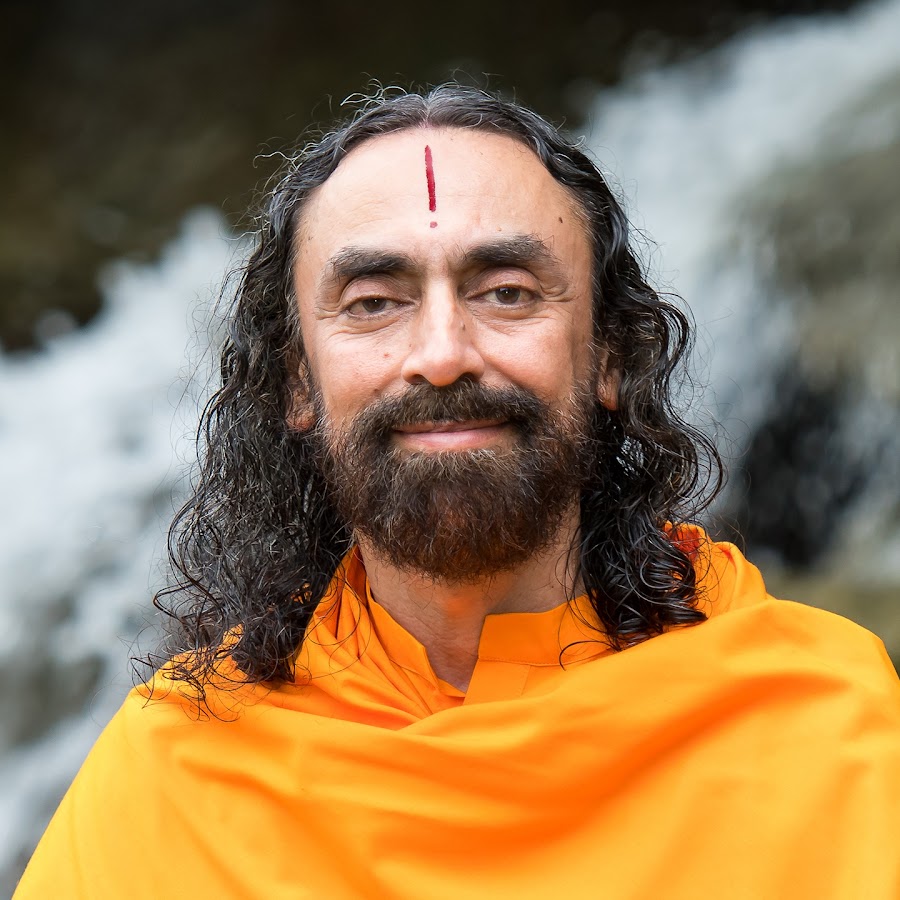
If you would like to deepen your understanding of the timeless wisdom of the Gita, explore teachings from Swami Mukundananda.
📺 Subscribe to his YouTube channel for spiritual discourses, guided meditations, and practical insights into the Bhagavad Gita.
🌐 Visit the Holy Bhagavad Gita website to access additional teachings for spiritual growth.

Let the wisdom of the Gita guide your journey toward inner peace, devotion, and divine grace.