The year 2026 marks a deeply sacred milestone in India’s spiritual journey: the second anniversary of the consecration of Ram Lalla at the Ayodhya Ram Mandir. While anniversaries are often seen as markers of time, this occasion transcends chronology. It is not merely about two years having passed since the installation of the divine child form of Lord Ram; it is about what those years invite humanity to remember, imbibe, and live.
The Ram Mandir stands today not only as an architectural marvel or a fulfilment of historical aspiration, but as a spiritual symbol, one that calls every soul toward dharma, compassion, humility, and divine love. As Swami Mukundananda repeatedly emphasizes, true devotion is not confined to temples, rituals, or ceremonies; it blossoms when divine love begins to govern our thoughts, actions, and intentions.
This second anniversary of Ram Lalla is therefore an invitation, not merely to celebrate, but to internalize the ideals of Lord Ram, allowing His life and love to transform our own.
Ram Lalla: The Eternal Child of Divine Love
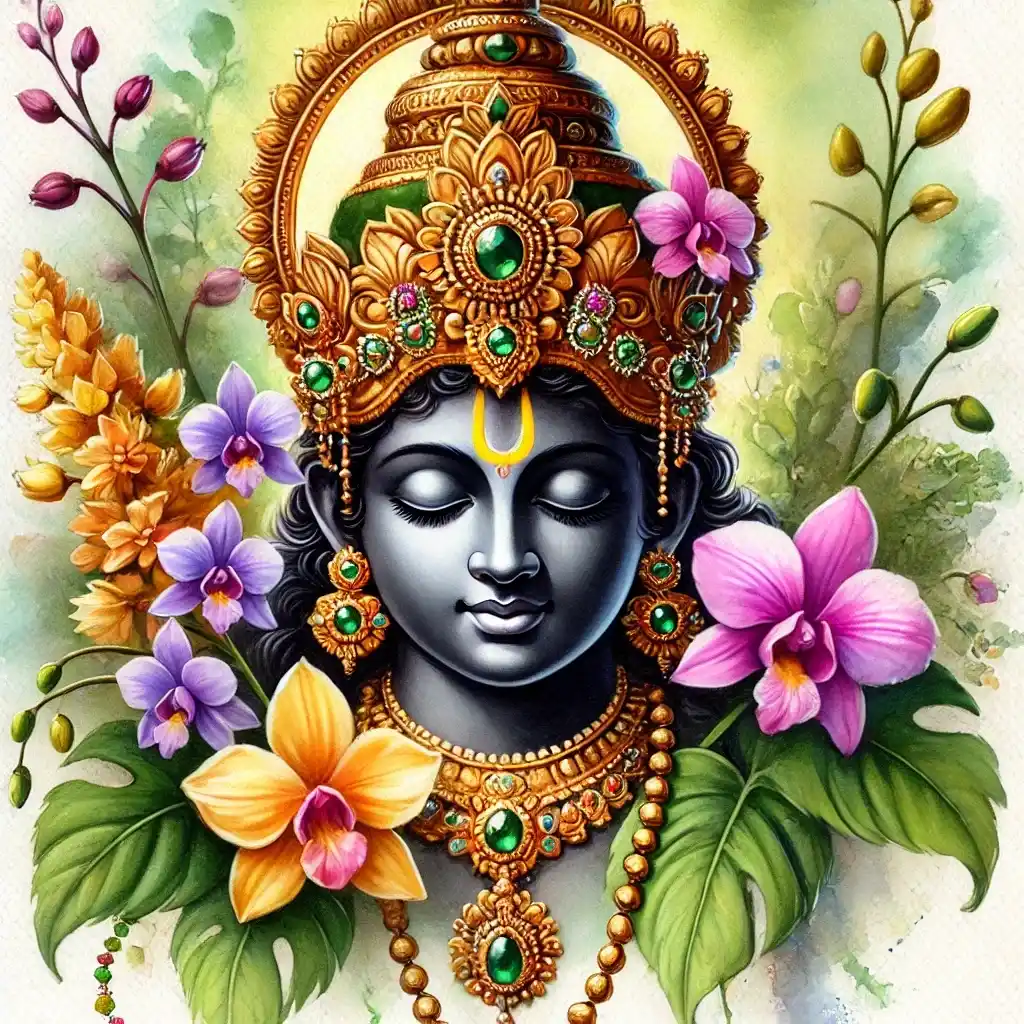
Ram Lalla represents the child form of Lord Ram, enshrined in the sanctum of the Ram Mandir at His birthplace in Ayodhya. In Bhakti tradition, the child form of God carries profound spiritual meaning. It evokes tenderness, intimacy, and unconditional love. These are qualities that awaken devotion not through fear or authority, but through affection and surrender.
The presence of Ram Lalla reminds devotees that God is not distant or abstract. He allows Himself to be approached, loved, and even cared for. This aligns beautifully with Swami Mukundananda’s teachings that God is conquered not by ritual precision, but by love-filled devotion. When the heart melts in divine affection, the soul naturally aligns with dharma.
The second anniversary of Ram Lalla’s consecration is thus not about remembering an event alone, it is about renewing a relationship with the Divine, one rooted in love rather than obligation.
Ayodhya Ram Mandir: More Than Stone and Structure
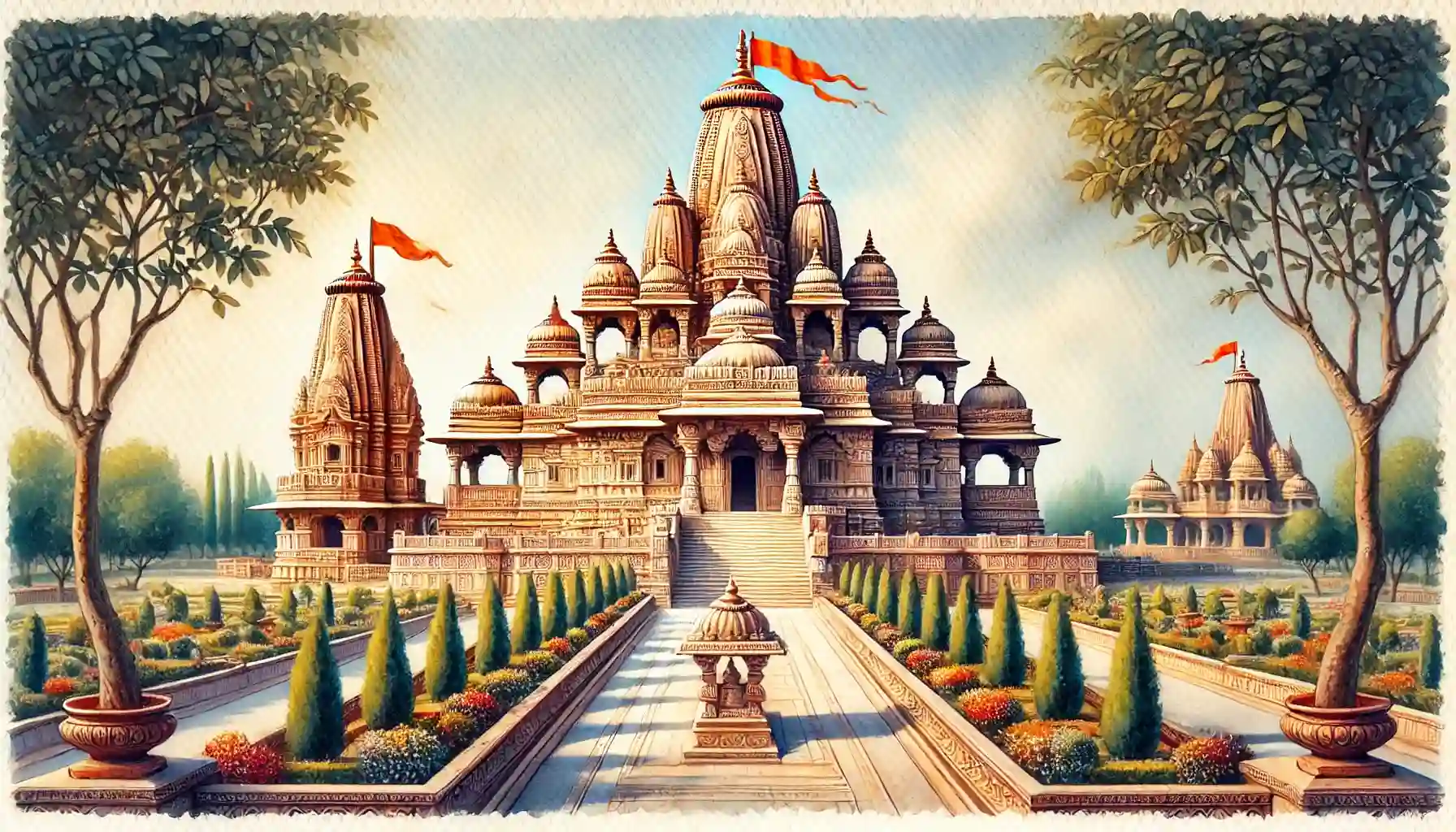
The Ram Mandir is often spoken of in terms of its history, architecture, or cultural significance. While all of these are meaningful, they remain incomplete without understanding the spiritual purpose of the temple.
According to Swami Mukundananda, temples are not meant to be endpoints of devotion but starting points of transformation. They exist to awaken divine remembrance, inspire virtue, and guide the devotee toward inner purification. A temple fulfils its true purpose only when the devotee leaves with a softer heart, a calmer mind, and a stronger resolve to live righteously.
The Ram Mandir stands as a reminder of Maryada Purushottam Ram, the ideal human being who demonstrated how to live with integrity, compassion, self-restraint, and unwavering commitment to truth. Celebrating the temple’s anniversary without striving to emulate Ram’s character would reduce the occasion to symbolism alone.
The Spiritual Meaning of an Anniversary in Bhakti
In spiritual life, anniversaries are not mere commemorations; they are opportunities for introspection. The second anniversary of Ram Lalla invites devotees to reflect on how their own lives have changed since the consecration.
Have we become more patient?
Have we become more compassionate?
Have we become more truthful?
Have we become more devoted?
Swami Mukundananda teaches that devotion must translate into transformation. If time passes but inner habits remain unchanged, then spiritual milestones lose their purpose. The anniversary becomes meaningful only when it inspires renewed effort toward self-purification and divine alignment.
Divine Love as the Core of Ram Bhakti
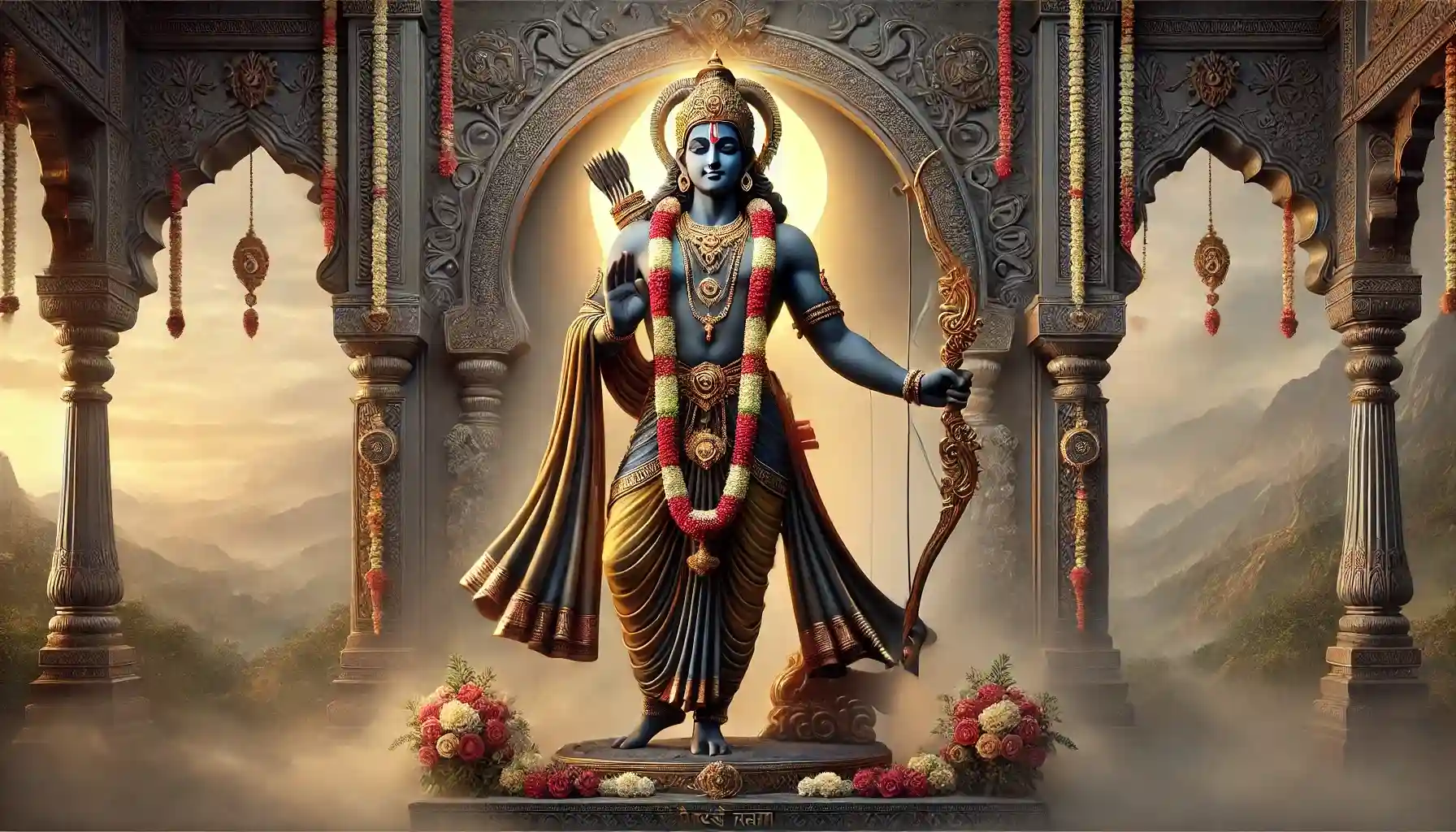
At the heart of devotion to Lord Ram lies divine love, a love that is selfless, steady, and rooted in surrender. Unlike transactional worship, where prayers are offered in exchange for favors, divine love seeks nothing but the joy of pleasing God.
Swami Mukundananda emphasizes that bhakti reaches its highest expression when the devotee’s happiness becomes dependent not on worldly outcomes, but on the remembrance of God. In this state, devotion becomes effortless, and spiritual practice transforms into joy.
Ram Lalla’s gentle form embodies this principle perfectly. The child God does not command; He attracts. He does not demand; He invites. He does this through divine love.
Ram Rajya: A Spiritual Ideal, Not a Political Concept
The phrase “Ram Rajya” is often misunderstood. In its true sense, Ram Rajya does not refer to a political system but to a state of collective consciousness governed by dharma, compassion, and justice.
Swami Mukundananda clarifies that Ram Rajya begins within the individual. When the mind is ruled by discipline, the heart by compassion, and actions by righteousness, Ram Rajya manifests naturally in society.
The Ram Mandir stands as a beacon of this ideal, by not urging control over others, but mastery over oneself. The second anniversary is a reminder that societal harmony begins with inner governance.
Rituals, Celebrations, and Their Deeper Purpose
Anniversary celebrations at the Ram Mandir may include bhajans, discourses, aarti, and acts of service. These are all beautiful expressions of devotion when performed with the right consciousness.
However, Swami Mukundananda cautions that rituals must never become mechanical. He teaches that God looks at the heart behind the action, not the grandeur of the action itself. When rituals are infused with love, humility, and surrender, they elevate the soul. When performed for display or social validation, they inflate the ego.
Thus, the second anniversary is best celebrated not through external extravagance alone, but by inner refinement.
Living the Teachings of Lord Ram in Daily Life
The greatest tribute to Ram Lalla is not found in ceremonies, but in conduct. Lord Ram’s life offers timeless lessons such as obedience without resentment, leadership without arrogance, sacrifice without complaint, and devotion without condition.
Swami Mukundananda often teaches that spirituality is validated not in isolation, but in relationships. How we speak, forgive, serve, and restrain ourselves reveals the depth of our devotion.
On this anniversary, devotees are called to ask:
Am I merely visiting Ram’s temple, or am I building Ram’s values within myself?
Ayodhya 2026: A Pilgrimage of the Heart

For many, visiting Ayodhya in 2026 will be a physical pilgrimage. Yet Swami Mukundananda reminds us that the true pilgrimage is internal. One may stand before Ram Lalla daily and still remain distant if pride, anger, or attachment dominate the heart.
Conversely, one who remembers Lord Ram with love, even from afar, carries Ayodhya within.
The second anniversary is thus not limited by geography. Wherever divine love awakens, Ayodhya is present.
 JKYog Team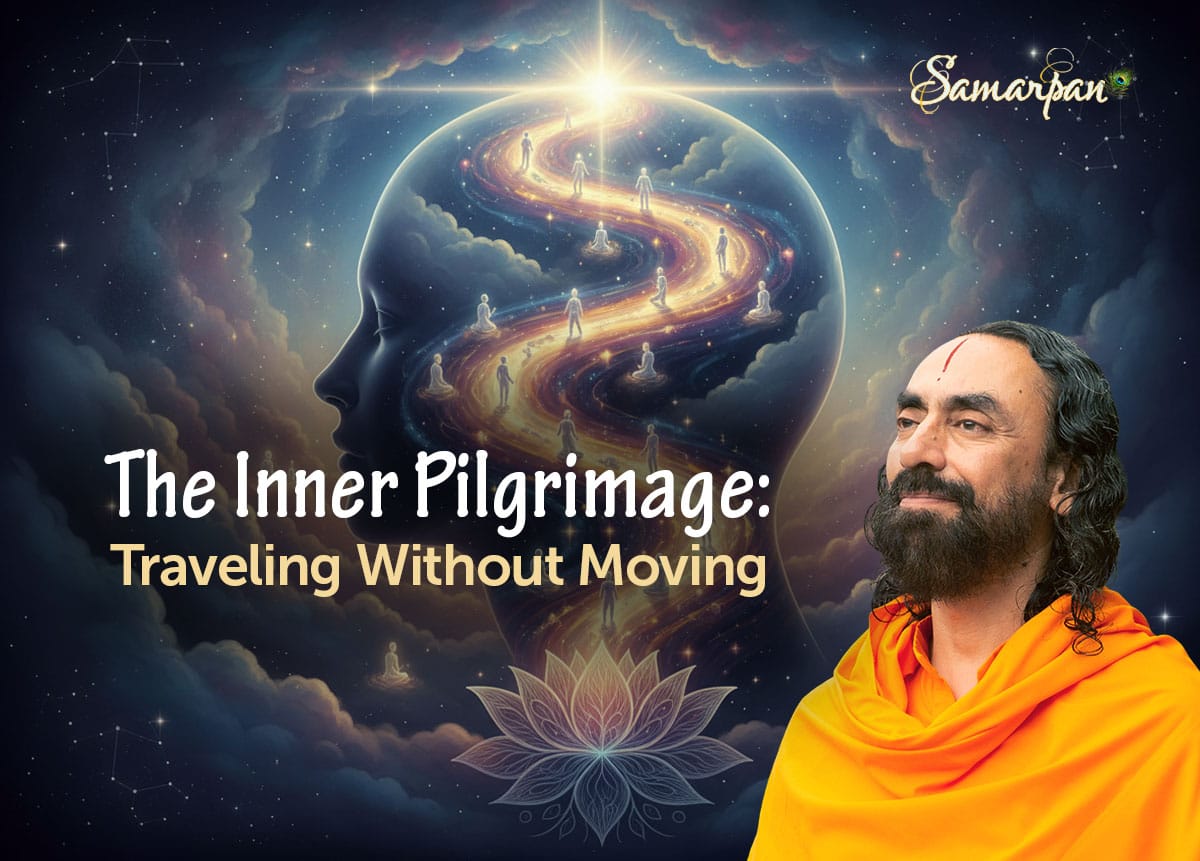
The Role of Humility in Ram Bhakti
Humility is the fragrance of true devotion. Lord Ram Himself embodied humility despite being divine. Swami Mukundananda teaches that humility is not weakness, but spiritual strength, because it dissolves ego and allows divine grace to flow freely.
Celebrating Ram Lalla’s anniversary with humility means acknowledging how much we still need to grow. It means approaching God not as a claimant, but as a servant filled with gratitude.
JKYog Team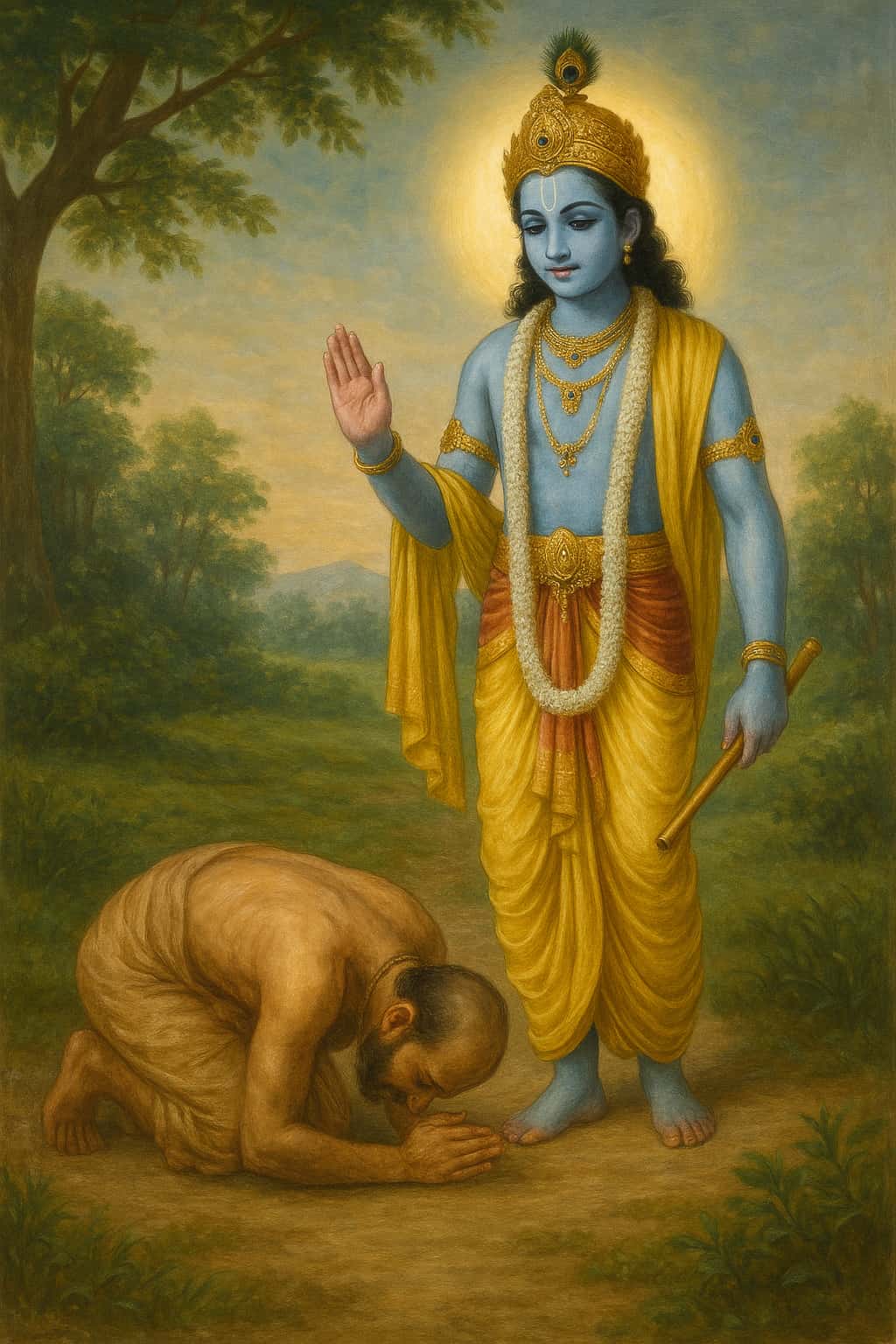
Service (Seva): Love in Action
One of the most meaningful ways to honor Ram Lalla is through seva (selfless service). Feeding the hungry, helping the distressed, speaking kindly, and offering time and care are all expressions of devotion when done in remembrance of God.
Swami Mukundananda emphasizes that seva performed with ego binds the soul, while seva offered as love liberates it. On this anniversary, service becomes worship when the beneficiary is seen as a part of Lord Ram Himself.
JKYog Team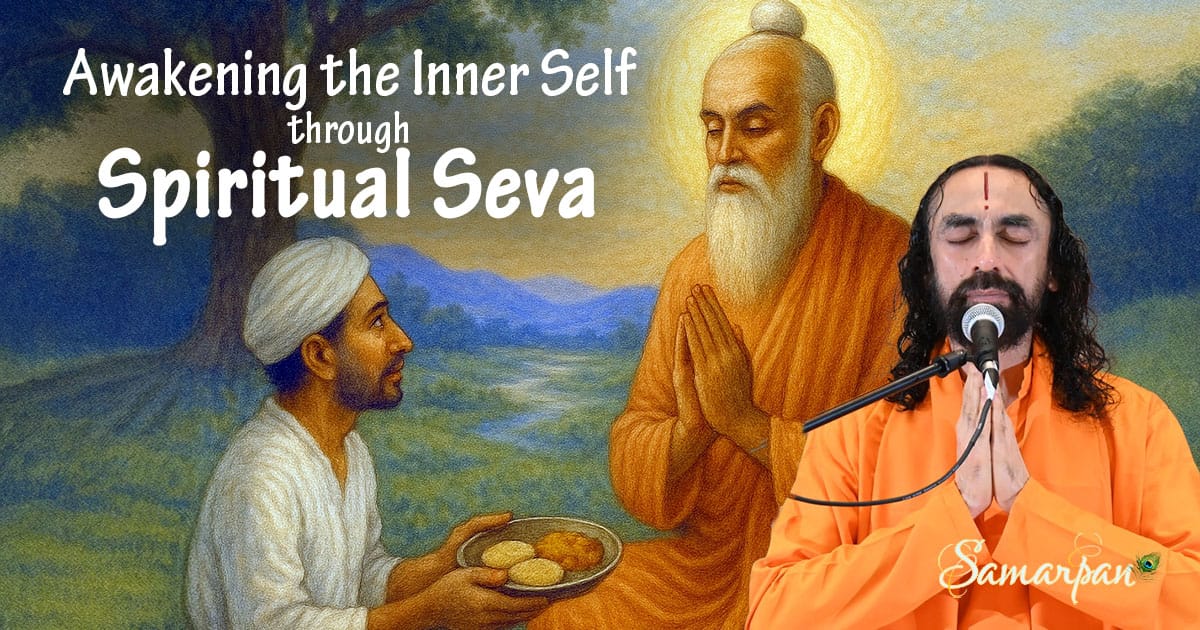
Modern Relevance of Ram Mandir and Ram Lalla
In an age marked by restlessness, division, and emotional fatigue, the presence of Ram Lalla offers profound reassurance. His gentle form reminds humanity that divine love is not lost, and dharma is not outdated.
Swami Mukundananda teaches that spirituality is not escapism, it is the foundation for balanced, ethical, and compassionate living. The Ram Mandir thus serves as a spiritual anchor in a rapidly changing world.
From Celebration to Consecration of the Heart
The second anniversary of Ram Lalla invites a subtle but powerful shift, from celebrating an external consecration to consecrating the heart.
When divine love governs thoughts, when humility guides actions, and when remembrance of God becomes natural, the true Ram Mandir is built within.
Conclusion: Two Years, One Eternal Message
Ayodhya Ram Mandir’s second anniversary in 2026 is not a conclusion of a journey, but a continuation. It reminds us that Lord Ram did not come merely to be worshipped, but to be emulated.
As Swami Mukundananda teaches, divine love is not proven by how loudly we celebrate God, but by how deeply we allow Him to transform us.
Ram Lalla smiles eternally; he is not seeking monuments, but hearts filled with love.
Call to Action
✨ This 2nd anniversary of Ram Lalla, go beyond celebration.
Let divine love shape your thoughts, humility guide your actions, and devotion transform your life.
Relish the divine discourses of Swami Mukundananda and build the true Ram Mandir within your heart.
FAQs: Ayodhya Ram Mandir 2026
1. When is the 2nd anniversary of Ram Lalla celebrated?
The second anniversary of Ram Lalla’s consecration is observed in January 2026, marking two years since the historic installation.
2. What is the spiritual significance of Ram Lalla?
Ram Lalla represents the child form of Lord Ram, evoking divine love, intimacy, and pure devotion.
3. How does Swami Mukundananda view temple worship?
Swami Mukundananda teaches that temples are meant to inspire inner transformation, not merely external rituals.
4. Is visiting Ayodhya necessary to honor Ram Lalla?
No. True devotion lies in remembrance, love, and righteous living, regardless of physical location.
5. How can one celebrate the anniversary meaningfully at home?
Through prayer, bhajan, self-reflection, service, and efforts to live by Lord Ram’s values with love and humility.