
If you’ve been exploring healthy eating trends, you’ve probably noticed a growing buzz around amaranth. This tiny, versatile seed isn’t new—it’s been cultivated for thousands of years—but modern nutrition science is giving it a well-deserved spotlight. Whether you are gluten-free, seeking a protein boost, or simply curious about expanding your pantry, amaranth deserves your attention.
What is Amaranth?
Amaranth is a pseudocereal—not a true grain like wheat or rice, but used in much the same way. It was a staple for ancient civilizations, particularly the Aztecs, who valued it both as food and for ceremonial use. Today, it’s prized for its nutrient density, adaptability in recipes, and naturally gluten-free profile.
Top Health Benefits of Amaranth
1. Complete Plant Protein
Unlike many plant sources, amaranth contains all nine essential amino acids—making it -a complete protein. This is especially valuable for vegetarians, vegans, and anyone seeking plant-based protein.
2. Rich in Minerals
Amaranth is a great source of iron, magnesium, phosphorus, and calcium—nutrients that support bone strength, energy production, and muscle function.
3. Supports Heart Health
Its high fiber content and presence of plant compounds like phytosterols may help lower cholesterol levels and support cardiovascular health.
4. Gluten-Free & Celiac-Friendly
For people with celiac disease or gluten sensitivity, amaranth is a safe, nutrient-rich alternative to wheat and other gluten-containing grains.
5. Digestive Wellness
The soluble and insoluble fiber in amaranth aids digestion, promotes healthy gut bacteria, and supports regular bowel movements.
6. Anti-Inflammatory & Antioxidant Properties
Amaranth contains compounds like phenolic acids that help reduce inflammation and protect cells from oxidative stress.
7. Supports Skin & Hair Health
With naturally occurring squalene, amaranth may promote skin hydration and elasticity, and support healthy hair growth.
The Most Popular Ways to Enjoy Amaranth
Creamy Amaranth Breakfast Porridge
While amaranth can be used in salads, soups, granola, and even baked goods, one of the most common and beginner-friendly ways to enjoy it is as a warm, creamy breakfast porridge. It’s nourishing, easy to customize, and perfect for meal prep.

Recipe Information:
Servings: 2
Prep Time: 5 minutes
Cook Time: 20 minutes
Ingredients:
- 1 cup amaranth seeds
- 2½ cups water (or milk / plant-based milk for creaminess)
- 1 pinch salt
- Toppings (choose any or combine): fresh berries, sliced banana, chopped nuts, seeds, shredded coconut, honey, or cinnamon
Instructions:
- Rinse & Toast (Optional): Rinse amaranth under cold water. For a nutty flavor, toast it in a dry saucepan for 2–3 minutes.
- Cook: Add water/milk and salt to the pan. Bring to a boil, then reduce heat to low and simmer, stirring occasionally, for 15–20 minutes until most liquid is absorbed and the texture is creamy.
- Rest: Remove from heat, cover, and let sit for 5 minutes.
- Serve: Spoon into bowls, add your favorite toppings, and drizzle with honey or maple syrup if desired.
Tip: You can make a big batch, refrigerate, and reheat portions with a splash of milk for a quick weekday breakfast.
Amaranth Energy Bars
If you’re looking for a healthy, on-the-go snack, amaranth energy bars are perfect. They’re crunchy, slightly sweet, and packed with nutrients. You can customize them with your favorite nuts, seeds, and dried fruits.
These bars are great for breakfast on busy mornings, post-workout fuel, or a wholesome snack for kids and adults alike.
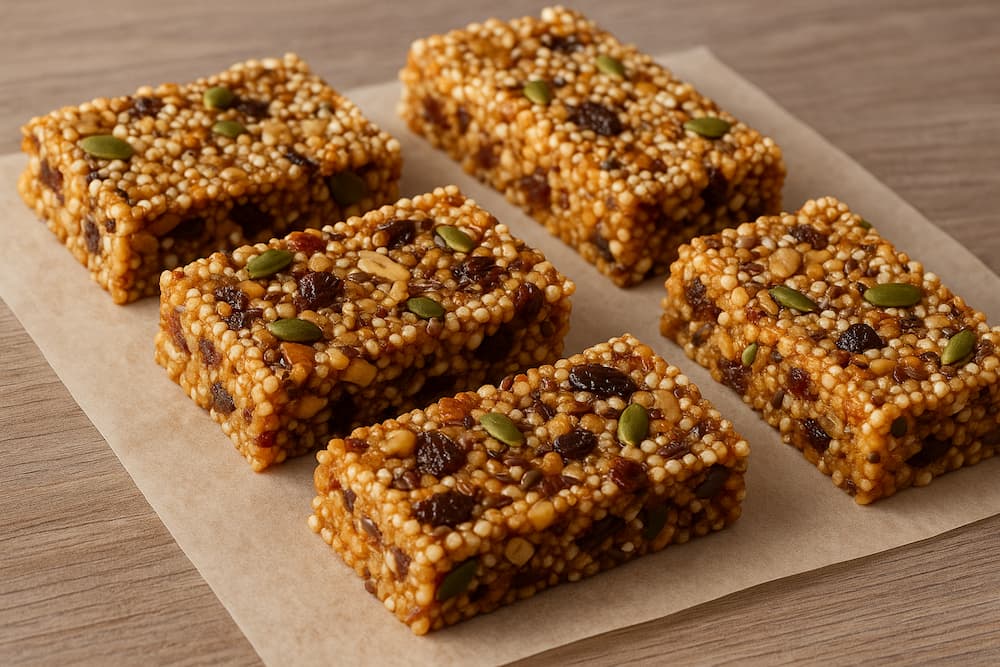
Recipe Information:
Ingredients (Makes 8–10 bars):
- 2 cups popped amaranth (about ½ cup raw amaranth seeds before popping)
- ½ cup nut butter (peanut, almond, or cashew butter works best)
- ⅓ cup honey or maple syrup
- ½ cup chopped nuts (almonds, walnuts, or cashews)
- ½ cup dried fruit (raisins, cranberries, chopped dates, or apricots)
- 2 tbsp seeds (chia, flax, or pumpkin seeds — optional)
- 1 tsp vanilla extract
- Pinch of salt
- Dash of cinnamon (optional, for extra flavor)
Instructions:
- Pop the Amaranth
- Heat a heavy-bottomed pan or skillet over medium-high heat.
- Add 1 tablespoon of raw amaranth seeds at a time, cover quickly, and shake the pan.
- Within seconds, the seeds will pop like tiny popcorn. Remove immediately to avoid burning.
- Repeat until you have about 2 cups of popped amaranth.
- Prepare the Binding Mix
- In a small saucepan, warm the nut butter and honey (or maple syrup) over low heat until they blend smoothly.
- Stir in vanilla extract, salt, and cinnamon.
- Combine Dry Ingredients
- In a mixing bowl, add popped amaranth, chopped nuts, dried fruit, and seeds.
- Pour the warm nut butter-honey mixture over the dry ingredients.
- Mix thoroughly until everything is coated and sticky.
- Shape into Bars
- Line a square baking dish with parchment paper.
- Transfer the mixture into the dish and press it down firmly with a spatula (or the back of a spoon) to create an even layer.
- The firmer you press, the better the bars will hold together.
- Set and Slice
- Refrigerate for at least 1–2 hours until firm.
- Lift the mixture out using the parchment paper and cut into bars or squares.
Amaranth Pulao (Rajgira Pulao)
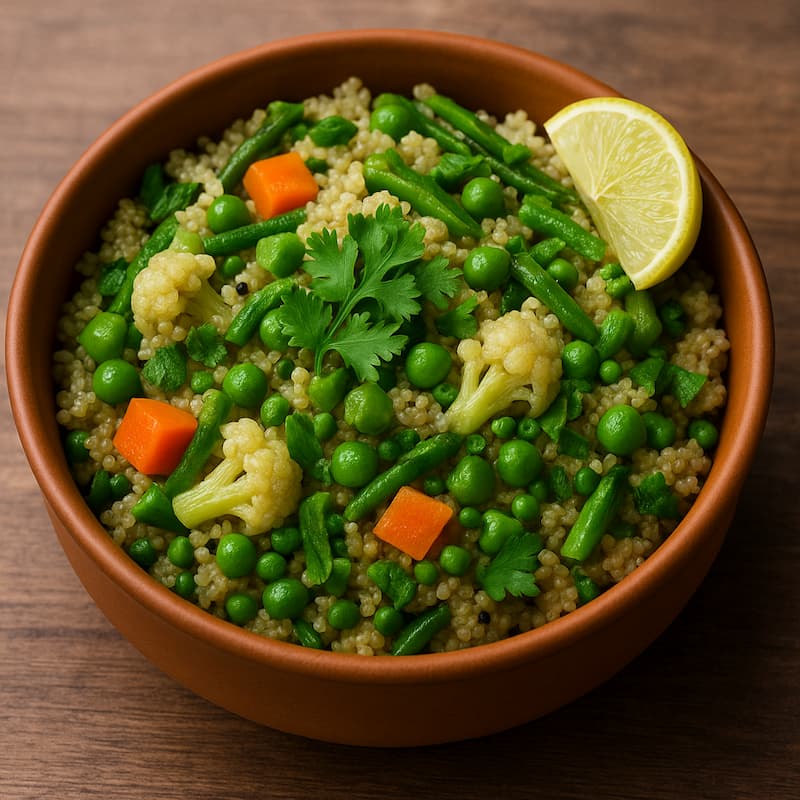
Recipe Information:
Ingredients (Serves 2–3):
- 1 cup amaranth seeds (rajgira)
- 2 ½ cups water (or light vegetable broth for extra flavor)
- 2 tbsp ghee (or coconut oil for vegan version)
- 1 tsp cumin seeds (jeera)
- 1–2 green chilies, slit lengthwise (optional, for mild spice)
- 1 small carrot, diced
- ½ cup green beans, chopped
- ½ cup green peas (fresh or frozen)
- ½ cup cauliflower florets
- 1 medium tomato, finely chopped (optional, for tang)
- ½ tsp turmeric powder
- ½ tsp coriander powder
- ½ tsp cumin powder
- ½ tsp black pepper
- Salt to taste (sendha namak if preparing for fasting/vrat)
- Fresh coriander leaves (cilantro) or mint leaves, chopped (for garnish)
- Lemon wedges for serving
Instructions:
- Rinse Amaranth:
Wash the amaranth seeds in a fine strainer under cold water and set aside. - Heat Ghee & Spices:
In a deep pan or kadhai, heat ghee. Add cumin seeds and let them splutter. Add slit green chilies. - Cook Vegetables:
Add carrots, beans, peas, and cauliflower. Sauté for 3–4 minutes until slightly tender. (If using tomato, add it now and cook until soft.) - Add Spices:
Sprinkle turmeric, coriander powder, cumin powder, black pepper, and salt. Mix well so veggies are coated. - Cook Amaranth:
Add rinsed amaranth seeds. Stir well for 2 minutes to toast lightly with veggies and spices. - Add Water & Simmer:
Pour in 2 ½ cups water. Bring to a boil, then reduce the flame to low. Cover and let it simmer for 18–20 minutes, stirring occasionally. - Rest & Fluff:
Once water is absorbed and the amaranth is cooked (slightly sticky but fluffy), switch off the flame. Cover and let it rest for 5 minutes. - Garnish & Serve:
Fluff gently with a fork, garnish with coriander or mint, and serve hot with yogurt or raita.
Serving Suggestions:
- Serve hot with plain curd, cucumber raita, or a light tomato chutney.
- Pair with a bowl of laukī sabzi or aloo jeera for a wholesome sattvic meal.
Frequently Asked Questions (FAQs) About Amaranth
1. Is amaranth better than quinoa?
Both are nutrient-dense superfoods. Quinoa has slightly more fiber, while amaranth provides more minerals like iron, calcium, and magnesium. Amaranth also contains squalene, which is great for skin and hair health.
2. Can people with diabetes eat amaranth?
Yes. Amaranth has a relatively low glycemic index compared to refined grains, meaning it helps regulate blood sugar. However, moderation and balanced meals are key.
3. How do I store amaranth seeds?
Keep raw amaranth in an airtight container in a cool, dry place. For longer shelf life, refrigerate or freeze it. Cooked amaranth can be refrigerated for up to 3–4 days.
4. Does amaranth taste good?
Amaranth has a mild, nutty, and slightly earthy flavor. When cooked as porridge, it turns creamy. Popped amaranth has a light, crunchy texture that pairs well with sweet or savory recipes.
5. Is amaranth safe for daily consumption?
Yes! Amaranth can be safely eaten daily as part of a balanced diet. Like other grains and seeds, variety is best—rotate with quinoa, oats, and millet for maximum nutrition.
6. Is amaranth only for breakfast?
Not at all. While porridge is the most popular option, amaranth works in savory dishes like soups, stews, pilafs, salads, and even desserts.
7. Where can I buy amaranth?
Amaranth seeds and flour are available at health food stores, organic grocery chains, and online marketplaces like Amazon.
Final Thoughts
Amaranth is more than just a trendy superfood—it’s a time-tested, nutrient-dense ingredient with incredible versatility. From warm breakfast bowls to crunchy snacks, it offers both health benefits and culinary possibilities. By incorporating amaranth into your routine, you’re not just trying something new—you’re connecting with an ancient tradition of wholesome eating.
Call to Action:
Bring the goodness of amaranth to your kitchen and share its wholesome taste with friends and family through nourishing, easy-to-make recipes.
Join Morning Gems with Swamiji
Monday to Friday 7:30 AM CST / 6:00PM IST


Begin your day with transformative energy!
Join "Morning Gems with Swamiji," a free daily online class by JKYog, and ignite your spiritual and personal growth. Experience guided meditation with Swami Mukundananda, delve into profound wisdom video gems and connect with a supportive community.