
Introduction: A Sacred Pause Before the Festival of Colors
As the vibrant festival of Holi approaches, Hindu tradition observes a spiritually reflective period known as Holashtak, an eight-day phase that precedes Holika Dahan and the joyous celebration of Rangwali Holi. While Holi is marked by exuberance, colors, and community celebration, Holastak invites devotees to step inward, practice restraint, and cultivate spiritual awareness.
Holashtak 2026 is not merely a period of avoiding new beginnings or auspicious activities. It is a spiritual threshold, symbolizing the soul’s journey from inner struggle to divine victory, mirroring the timeless story of Prahlad’s unwavering devotion and the triumph of righteousness over ego and arrogance.
At a deeper level, Holastak aligns beautifully with the teachings of Swami Mukundananda, who emphasizes that spiritual growth arises through selfless love for God, surrender of ego, and purification of the heart. Holashtak becomes an opportunity to pause worldly ambitions and refocus on devotion, humility, and service.
This comprehensive guide to Holashtak 2026 explores its dates, spiritual significance, auspicious timings, traditional beliefs, and best spiritual practices, while weaving in the timeless message of pure, selfless bhakti (devotion) that transforms rituals into meaningful acts of love for the Divine.
What Is Holashtak?
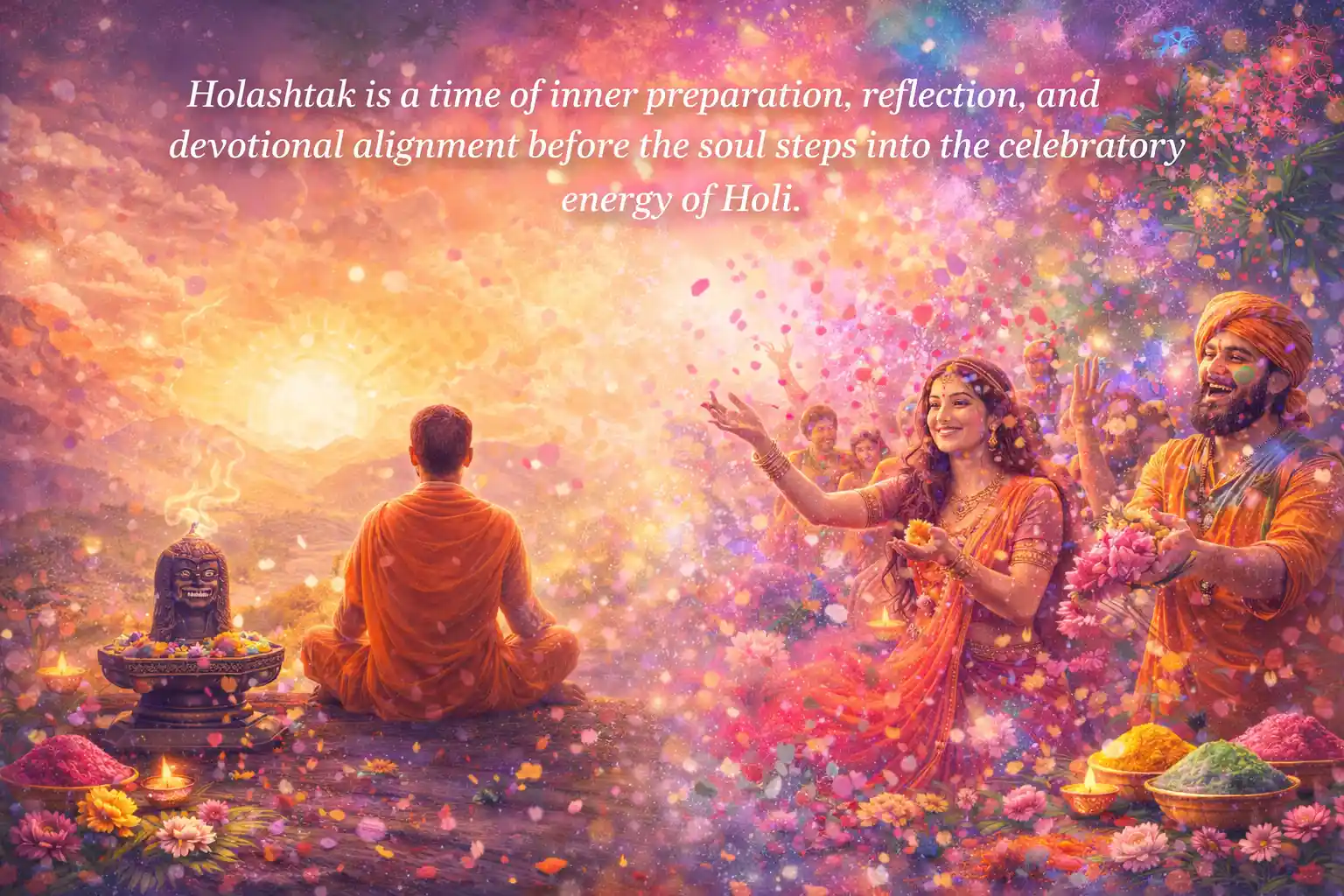
Holashtak refers to the eight-day period beginning on the Ashtami (8th lunar day) of the Phalguna month’s Shukla Paksha and concluding on the full moon day (Purnima), when Holika Dahan is performed.
Meaning of the Word "Holashtak"
- Holi refers to the sacred festival associated with Lord Vishnu, Prahlad, and the symbolic burning of Holika.
- Ashtak means eight, representing the eight-day duration.
Traditionally, Holastak is regarded as a spiritually sensitive phase during which people avoid beginning major life events such as:
- Weddings
- Property purchases
- Business inaugurations
- Naming ceremonies
However, from a spiritual perspective, Holashtak is not a time of fear, it is a time of inner preparation, reflection, and devotional alignment before the soul steps into the celebratory energy of Holi.
Holashtak 2026: Dates and Duration
Holastak 2026 Begins:
Tuesday, February 24, 2026
(Phalguna Shukla Ashtami)
Holastak 2026 Ends:
TJeddah, March 3, 2026
(Phalguna Purnima – Holika Dahan Day)
This eight-day period culminates with Holika Dahan, followed by Rangwali Holi on the next day, when colors, joy, and community celebration take center stage.
Is There an Auspicious Time During Holashtak?

Traditionally, Holashtak is considered a period without Shubh Muhurat for worldly activities, especially for major life events. However, it is regarded as highly auspicious for spiritual practices, including:
- Prayer and meditation
- Devotional reading
- Charity and service
- Mantra chanting
- Temple visits
Most Spiritually Favorable Time Each Day
- Brahma Muhurat (pre-dawn hours): Ideal for meditation and mantra japa
- Evening Sandhya (sunset): Time for lamp lighting, prayers, and reflection
Rather than viewing Holastak as inauspicious, spiritual teachers often describe it as a sacred retreat for the soul, a time to reduce external distractions and deepen inner connection.
The Spiritual Story Behind Holastak
Prahlad and Holika: A Tale of Unshakable Faith
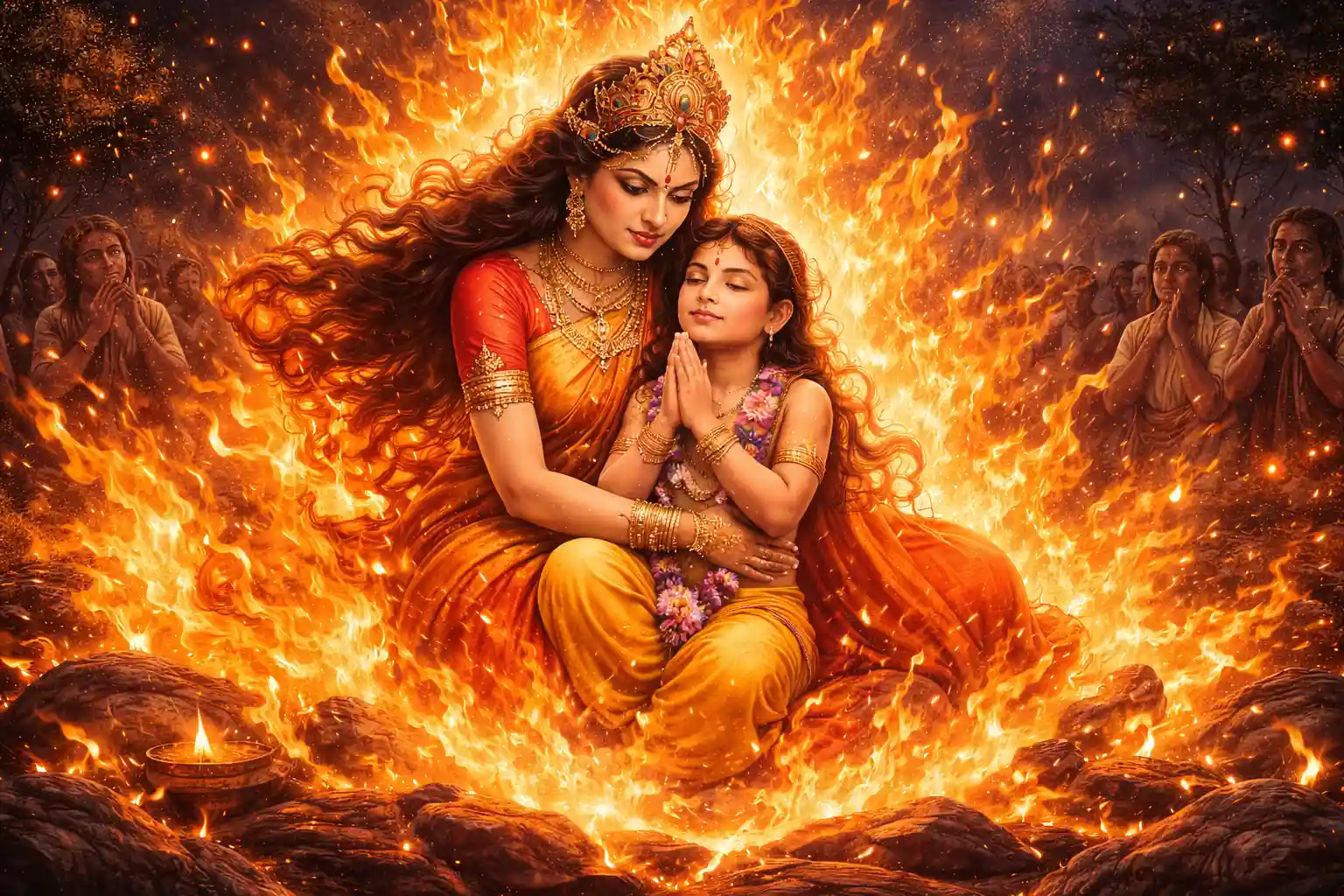
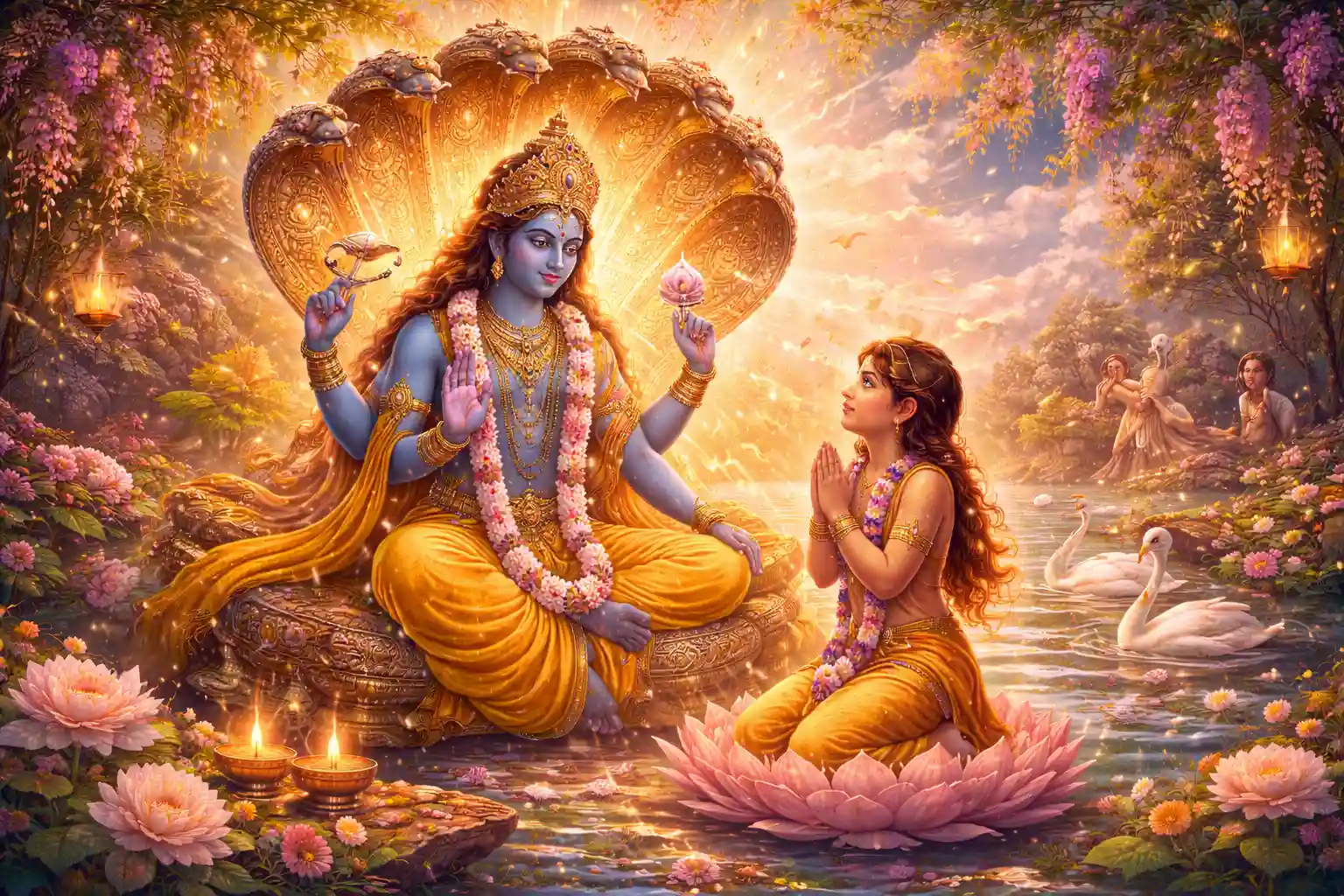
The significance of Holashtak is deeply connected to the legendary story of Prahlad, a devoted follower of Lord Vishnu, and his father Hiranyakashipu, a powerful demon king who demanded worship for himself.
Despite threats, punishment, and isolation, Prahlad remained steadfast in his devotion. Enraged, Hiranyakashipu enlisted his sister Holika, who possessed a boon making her immune to fire, to kill Prahlad by sitting with him in a blazing pyre.
However, divine justice prevailed. Holika was burned, while Prahlad emerged unharmed, protected by his unwavering faith and surrender to God.
Symbolism of the Eight Days
In spiritual tradition, the eight days of Holashtak are said to represent the eight trials that Prahlad endured before divine grace manifested fully. Each day symbolizes a test of faith, patience, and surrender, qualities essential for cultivating selfless love for God.
Holashtak and the Path of Selfless Devotion
Swami Mukundananda teaches that true devotion is not tested during times of comfort, but is revealed during times of difficulty, restraint, and surrender. Holashtak reflects this principle beautifully.
During this period:
- The devotee practices letting go of control
- The mind learns patience instead of pursuit
- The heart learns love instead of expectation
Just as Prahlad loved God without fear of consequences, Holashtak encourages devotees to examine the purity of their own devotion. Do we pray only when life is easy, or do we surrender even when challenged?
This introspective spirit transforms Holashtak from a period of avoidance into a spiritual training ground for humility, faith, and unconditional love for God.
Spiritual Significance of Holashtak
1. Period of Inner Purification
Holashtak is considered a time to cleanse negative tendencies such as anger, pride, and attachment.
2. Preparation for Holi’s Joy
Just as the earth prepares before flowers bloom in spring, the soul prepares before celebrating divine joy during Holi.
3. Strengthening Faith
The story of Prahlad reminds devotees that faith, not force, is the true source of spiritual power.
4. Surrender Over Control
Holashtak teaches that surrendering to God brings protection and peace beyond human understanding.
Best Practices During Holastak 2026
1. Daily Prayer, Kirtan or Mantra Chanting
Chant sacred mantras such as:
Hare Ram Hare Ram
Ram Ram Hare Hare
Hare Krishna Hare Krishna
Krishna Krishna Hare Hare
Let each repetition become an offering of love rather than a mechanical routine.
2. Reading Sacred Scriptures
Spend time with spiritual texts such as:
- Bhagavad Gita
- Shrimad Bhagavatam
- Stories of Prahlad and Vishnu’s avatars
Reflect on how divine protection arises through surrender and devotion.
3. Acts of Charity and Service
Serving others is considered one of the highest forms of worship. You can:
- Donate food or clothing
- Help someone in need
- Offer your time at a community or temple
Swami Mukundananda often emphasizes that serving God’s creation is a direct expression of love for God Himself.
4. Practicing Silence and Mindfulness
Even a few moments of daily silence can help the mind detach from worldly distractions and reconnect with spiritual purpose.
5. Avoiding Negative Speech and Actions
Holashtak is a powerful time to practice:
- Forgiveness
- Patience
- Compassion
These qualities align the heart with divine nature.
Holashtak and the Eight Spiritual Tests
Traditionally, the eight days of Holashtak symbolize eight spiritual challenges:
- Ego
- Anger
- Greed
- Attachment
- Pride
- Envy
- Fear
- Doubt
Each day becomes an opportunity to confront and release these tendencies through prayer, reflection, and surrender.
Holastak in Modern Life
In today’s fast-paced world, Holashtak offers something rare: a pause.
Rather than rushing from one goal to another, this period invites:
- Digital detox
- Mindful living
- Intentional devotion
Even small changes such as reducing screen time or spending five minutes in prayer can transform the energy of this sacred phase.
Holashtak vs. Inauspiciousness: A Spiritual Perspective
While many people associate Holashtak with inauspiciousness, spiritual teachers often offer a deeper interpretation.
From a devotional lens:
- Holashtak is not about bad timing
- It is about right focus
It shifts attention away from material success toward spiritual success, reminding devotees that life’s true achievement is union with God through love and surrender.
Holastak and Holika Dahan: The Spiritual Transition
Holika Dahan marks the end of Holastak and the burning away of:
- Ego
- Fear
- False identity
Spiritually, it symbolizes the soul emerging from inner struggle into divine joy and freedom, represented by the colorful celebration of Holi that follows.
Family and Community Practices During Holastak
Many families use Holashtak as a time for:
- Evening prayers together
- Storytelling about Prahlad and Vishnu
- Teaching children values of faith and humility
These traditions strengthen not only spiritual roots but also emotional bonds within families.
Holastak and the Practice of Selfless Love for God
According to Swami Mukundananda’s teachings, the highest form of devotion is loving God without asking for anything in return.
Holashtak provides a sacred environment to practice this by:
- Offering prayers without requests
- Serving others without recognition
- Trusting God without conditions
This transforms devotion from a transaction into a relationship of love and surrender.
Frequently Asked Questions (FAQ)
Is Holashtak observed across all regions of India?
Holastak is widely recognized in North India and Vaishnava traditions, though awareness varies by region.
Can spiritual ceremonies be performed during Holashtak?
Yes. While worldly events are often avoided, spiritual activities are highly encouraged.
Is fasting required during Holashtak?
There is no mandatory fast, but some devotees choose light fasting or simple meals for spiritual focus.
Holashtak as a Mirror for the Inner Journey
Beyond dates and traditions, Holastak reflects the inner journey of every seeker:
- The struggle between ego and humility
- The tension between fear and faith
- The choice between self-interest and selfless love
Just as Prahlad chose unwavering devotion over personal safety, Holashtak invites each of us to choose love for God over attachment to comfort and control.
Call to Action: Eight Days to Deepen Divine Connection
Holashtak 2026 is not merely a period to avoid certain activities, it is a spiritual invitation. An invitation to pause, reflect, and reconnect with the deepest purpose of life: to love God selflessly and serve the world compassionately.
Through prayer, service, and surrender, these eight days become a powerful spiritual retreat, thus preparing the heart for the joy and celebration of Holi, and preparing the soul for a deeper relationship with the Divine.
Inspired by the teachings of Swami Mukundananda, may this Holashtak guide you toward:
- Greater humility
- Stronger faith
- Deeper devotion
- And a heart filled with unconditional love for God
May these sacred days bring clarity to your mind, peace to your heart, and divine grace to your life.