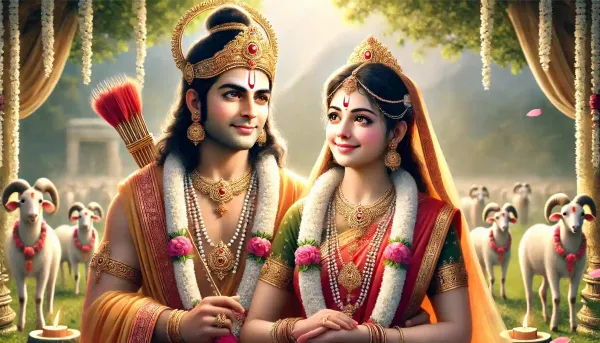
Vivah Panchami, a sacred festival in Hinduism, is a time for celebration, reverence, and spiritual reflection. Celebrated predominantly in North India, this festival marks the divine union of Lord Ram and Sita, signifying the importance of love, marriage, and dharma (righteousness). The teachings of Swami Mukundananda, known for his profound spiritual guidance, provide a deeper understanding of how to observe religious festivals like Vivah Panchami with full devotion and spiritual insight. In this blog, we’ll delve into the fasting rules, rituals, and spiritual practices that surround Vivah Panchami 2025, integrating the principles taught by Swami Mukundananda, particularly his teachings on Diwali and its spiritual significance.
The Importance of Vivah Panchami
Vivah Panchami is celebrated on the fifth day of the waxing moon in the month of Margashirsha (typically falling in November or December). The day commemorates the marriage of Lord Ram and Sita, an event that symbolizes the union of divine consciousness (Ram) and pure devotion (Sita). It is a day to reflect on dharma (righteousness), karma (action), and bhakti (devotion).

Fasting Guidelines for Vivah Panchami 2025
Fasting is a key component of the Vivah Panchami celebration. It is believed that fasting on this day purifies the mind and soul, bringing one closer to the divine. Swami Mukundananda often speaks about the importance of purity in both thought and action when observing any spiritual practice. Fasting, in this sense, is not just about abstaining from food but about purifying one’s thoughts and dedicating the day to spiritual reflection.
The sacred discipline of Vivah Panchami fasting transcends physical abstinence, emerging as a profound spiritual methodology that purifies consciousness while establishing divine communion. These time-honored observances create a sacred bridge between the devotee and the celestial couple, facilitating inner purification alongside spiritual elevation.
Who should observe the fast
Devoted followers of Lord Rama and Goddess Sita find particular resonance in this sacred practice. Married couples encountering relational discord discover remarkable healing through this spiritual observance, as it strengthens the fundamental bonds of matrimonial harmony. Women aspiring for conjugal bliss and enduring marital joy experience especially profound benefits from this practice. Unmarried individuals seeking divine guidance for suitable partnerships may enhance their observance through 108 recitations of the Janaki Mantra.
When to begin and end the fast
The practice commences during Brahma Muhurat—that sacred pre-dawn period approximately two hours before sunrise when cosmic energies align most favorably for spiritual endeavors. Following purification through bathing, devotees formally declare their Sankalp, establishing a sacred covenant for the observance. The fast concludes the following morning with the consumption of satvik nourishment.
Quick table — Vivah Panchami 2025 (Delhi & Dallas)
| Item | Details (Delhi, India) | Details (Dallas, Texas, USA) |
|---|---|---|
| Panchami Tithi Begins | 09:22 PM on November 24, 2025 | 09:52 AM on November 24, 2025 |
| Panchami Tithi Ends | 10:56 PM on November 25, 2025 | 11:26 AM on November 25, 2025 |
| Gregorian Date | November 25, 2025 (Tuesday) | November 25, 2025 (Tuesday) |
| Typical Rituals / Puja Vidhi |
• Abhyanga (holy bath), clean altar with Rama-Sita murti or photo. • Idol decoration, offering panchamrit, flowers, incense. |
• Abhyanga (holy bath), clean altar with Rama-Sita murti or photo. • Idol decoration, offering panchamrit, flowers, incense. |
Permissible foods and drinks
The observance permits consumption of fresh fruits and pure milk throughout the day. Certain practitioners maintain a satvik approach, limiting themselves to fruits alone or a single light meal. Rock salt (sendha namak) becomes essential, replacing ordinary table salt in all food preparation.
What to avoid during the fast
Specific dietary restrictions encompass:
- Complete abstinence from rice, wheat, and all lentil varieties
- Prohibition of meat, alcohol, and tobacco products
- Elimination of onions, garlic, and eggs
Beyond dietary considerations, devotees must refrain from cutting hair or nails, engaging in gambling, and speaking harsh words, particularly toward elders.
| Type of Fast | Description | Suitable For |
|---|---|---|
| Full Fast (Nirjala Vrat) | The strictest form of fasting, where devotees abstain from both food and water. It demands the highest level of dedication and self-discipline. | Those who are physically capable and spiritually advanced. |
| Fruit and Milk Fast (Phal-Hari Vrat) | A milder form of fasting, where devotees consume fruits, milk, and water but abstain from solid food. | Individuals who want to engage in fasting's spiritual benefits without putting undue stress on their health. |
| Partial Fast (Upavasa) | Devotees may limit their food intake to only one meal or refrain from certain foods like grains, rice, or sweets. | Those who prefer a lighter fasting experience or have health limitations, but still wish to observe the spiritual practice. |
Spiritual Benefits and Deeper Teachings

The observance of Vivah Panchami extends far beyond ceremonial expressions, unveiling profound spiritual dimensions that transform the practitioner's inner landscape. Just as a skilled artisan shapes raw metal into precious ornaments through sustained heat and pressure, these sacred fasting practices refine the devotee's consciousness through disciplined spiritual engagement. The connection forged with divine energies bears no resemblance to contemporary wellness practices focused solely on physical benefits.
Blessings for marital harmony
The celebration of Vivah Panchami serves as a spiritual catalyst, attracting divine grace that nurtures mutual respect, love, and understanding within relationships. Consider how the divine union functions as the supreme blueprint for marital harmony, inspiring couples to elevate their bonds beyond ordinary affection. Relationships experiencing turbulence often witness remarkable transformation following sincere observance of these sacred practices. Like a lamp that illuminates an entire room, Ram-Sita's perfect partnership radiates blessings of serenity, understanding, and harmony into the marriages of devoted practitioners.
Purification of mind and body
Devoted observance acts as a spiritual alchemist, purifying the soul while bestowing blessings for prosperity and fulfillment. When devotees immerse themselves in recitals, devotional melodies, and sacred visits, they generate vibrations that resonate harmoniously with divine frequencies. These practices function as inner cleansing agents, washing away mental impurities and catalyzing genuine spiritual advancement.
Lessons from Swami Mukundananda
The teachings of Swami Mukundananda illuminate how authentic devotion emerges from selfless love rather than self-centered desires. His wisdom reveals that love, when elevated to its highest expression, transcends mere emotion and becomes a sacred practice directed toward the Divine. The revered teacher elucidates three essential dimensions of spiritual sacrifice: mental detachment from personal agenda, emotional compassion free from conditions, and spiritual surrender to divine guidance. His profound insights demonstrate how relationships achieve their fullest potential when anchored in eternal values rather than fleeting emotional states.
Symbolism of humility and devotion
The Ram-Sita relationship exemplifies how the dissolution of ego strengthens the very foundations of sacred bonds. Their divine marriage represents the harmonious convergence of consciousness with creative energy, will unified with wisdom, and devotion merged with discipline. Humility emerges as the key that unlocks ego's prison, enabling souls to embrace authentic spiritual growth through divine grace. Their life choices provide the most compelling testimony to this truth, consistently placing righteousness above personal preferences and desires.
Key Takeaways
Vivah Panchami 2025 offers devotees a sacred opportunity to honor the divine marriage of Lord Ram and Goddess Sita while strengthening their own spiritual bonds and relationships.
• Fast from sunrise to the next morning, consuming only fruits, milk, and water while avoiding grains, meat, and harsh speech for spiritual purification.
• Begin with Brahma Muhurat prayers, including Sankalp vow, Kalash establishment, and symbolic marriage ceremony with yellow garlands and gathbandhan ritual.
• Married couples gain relationship harmony while unmarried devotees attract suitable partners through dedicated observance and 108 Janaki Mantra recitations.
• Focus on dharma over desire following Ram-Sita's example of placing righteousness, humility, and mutual respect above personal emotions.
• Celebrate on November 25, 2025 during the auspicious period from 9:22 PM November 24 to 10:56 PM November 25 for maximum spiritual benefits.
This ancient festival transforms devotional practice into tangible blessings, offering timeless wisdom for modern relationships while connecting practitioners to divine energies that transcend ordinary religious observance.
FAQs
Q1. What is the significance of Vivah Panchami? Vivah Panchami commemorates the divine marriage of Lord Ram and Goddess Sita. It is a sacred festival that celebrates love, devotion, and dharma, offering spiritual benefits for married couples and those seeking life partners.
Q2. When is Vivah Panchami in 2025 and how long should the fast be observed? Vivah Panchami in 2025 falls on November 25. The auspicious period begins at 9:22 PM on November 24 and continues until 10:56 PM on November 25. Devotees typically fast from sunrise until the next morning.
Q3. What are the main fasting guidelines for Vivah Panchami? During the fast, devotees should consume only fruits, milk, and water. Grains, meat, onions, garlic, and eggs are to be avoided. It's also important to refrain from harsh speech and maintain a pure mindset throughout the day.
Q4. What are the key rituals performed on Vivah Panchami? The main rituals include morning prayers during Brahma Muhurat, Sankalp (sacred vow), Kalash Sthapana, invoking Lord Ganesha, and performing a symbolic marriage ceremony for Ram and Sita with yellow garlands and the gathbandhan ritual.
Q5. How can unmarried individuals benefit from observing Vivah Panchami? Unmarried devotees who observe Vivah Panchami with sincere devotion are believed to be blessed in finding suitable life partners. It is recommended to chant the Janaki Mantra 108 times alongside fasting practices for enhanced spiritual benefits.
Call to Action
If you’ve felt inspired by this exploration of the spiritual meaning of Shree Ram and Sita’s divine union, I invite you to dive deeper. For rich, practical discourses, spiritual tools, guided meditations, and uplifting Satsang, please subscribe to Swami Mukundananda’s YouTube channel: https://www.youtube.com/@swamimukundananda
Join the community, keep the lamp burning, and let your heart become that luminous Ayodhya where the Divine and the soul joyfully meet.
References / Citations
- JKYog Teachings by Swami Mukundananda - https://www.jkyog.org/
- Radha Krishna Temple (Allen TX) -https://www.radhakrishnatemple.net/
- Bhagavad Gita – holy-bhagavad-gita.org
Read other blogs on Vivah Panchami
Vivah Panchami 2025:The Spiritual Meaning of Shree Ram and Sita’s Divine Union
Vivah Panchami 2025: Date, Puja, Muhurat, History, Celebrations & Donation Benefits