Introduction: Why the Science of Reflecting on Mortality Matters
Few topics feel as uncomfortable—and as universal—as death.
It is healthy and normal to be afraid of death. As Dr. Lisa Iverach, death researcher at the University of Sydney, explains: “Fear of death may be the most primal human fear, one we all experience differently.”
Yet modern psychology reveals something deeply surprising: when we engage in the science of reflecting on mortality consciously and constructively, it does not diminish life—it enhances it. What we avoid creates anxiety. What we face creates clarity.
The science of reflecting on mortality shows that death awareness, when processed mindfully, strengthens gratitude, relationships, purpose, and resilience. Spiritual wisdom goes further—it teaches that reflecting on impermanence awakens us to our eternal identity.
This article explores how mortality reflection is not morbid—but transformative.
The Science of Reflecting on Mortality: What Psychology Reveals

Modern psychology studies death awareness through frameworks such as:
- Terror Management Theory (TMT)
- Mindfulness research
- Existential psychology
- Meaning-centered therapy
Contrary to popular belief, mortality reflection does not inherently cause despair. It depends on how we process it.
Core Scientific Insight:
When mortality is avoided, it creates anxiety. When mortality is accepted, it creates clarity.
The science of reflecting on mortality demonstrates that facing death consciously often leads to healthier, more meaningful living.
Scientific Benefits of Mortality Reflection

When individuals reflect on mortality constructively, research shows:
1. Increased Appreciation for Life
Impermanence sharpens gratitude. When we recognize that experiences are temporary:
- We savor moments more deeply.
- We express appreciation more freely.
- We stop postponing joy.
Mortality reflection transforms the ordinary into sacred.
2. Clarified Priorities
The science of reflecting on mortality shows that death awareness shifts focus:
- From material goals to meaningful relationships
- From ego validation to contribution
- From busyness to purpose
When time feels unlimited, procrastination thrives.When time feels precious, intention sharpens.
3. Healthier Choices
Studies indicate that mortality reflection can encourage:
- Long-term thinking
- Better health behaviors
- Reduced impulsivity
- Stronger ethical decision-making
Awareness of life’s fragility promotes wiser living.
4. Stronger Relationships
Reflecting on mortality often increases:
- Empathy
- Forgiveness
- Compassion
- Desire for reconciliation
When we remember that time is limited, grudges lose their grip.
5. Reduced Fear (When Mindfully Processed)
Avoided fear grows. Faced fear softens.
The science of reflecting on mortality shows that intentional contemplation reduces unconscious anxiety and normalizes the cycle of life.
Why Avoiding Death Increases Anxiety
When mortality is suppressed:
- We cling harder to identity
- We become more reactive to threats
- We attach deeply to control
- We avoid deeper questions of meaning
Avoidance creates a background hum of fear. Acceptance creates peace.
The Spiritual Lens on Life and Death
While science explains the psychological benefits, spiritual wisdom provides a deeper framework. As Swami Mukundananda teaches: Reflecting on life’s temporary nature is not morbid—it is awakening.
Core Spiritual Teachings on Impermanence

Spiritual traditions consistently emphasize:
- The body is temporary; the soul is eternal
- Awareness of death detaches us from ego
- Impermanence redirects attention toward devotion
- Time is sacred—use it wisely
- True security lies in God, not possessions
Reflection on mortality does not diminish life—it sanctifies it.
Scripture Speaks: The Eternal Nature of the Soul

The Bhagavad Gita speaks directly to the fear of death.
Bhagavad Gita 2.20
न जायते म्रियते वा कदाचिन्नायं भूत्वा भविता वा न भूयःअजो नित्यः शाश्वतोऽयं पुराणोन हन्यते हन्यमाने शरीरे
“The soul is never born and never dies… It is unborn, eternal, ever-existing, and primeval. It is not slain when the body is slain.” — Bhagavad Gita 2.20https://www.holy-bhagavad-gita.org/chapter/2/verse/20
This verse reframes mortality completely: The body ends. The soul continues.
Identity Clarified Through Mortality Awareness

The science of reflecting on mortality clarifies priorities.
Spiritual reflection clarifies identity.
When we deeply understand:
- “I am not merely this body”
- “I am not defined by possessions”
- “I am not my temporary roles”
Fear softens. Meaning expands.
Two Perspectives. One Awakening.

- Science: “When we face the reality of death, we are often motivated to live more meaningfully.” — Scientific American
- Spiritual Wisdom: “Remembering the temporary nature of this world awakens us to the eternal truth of the soul.” — Swami Mukundananda
Unified Insight
Science shows mortality awareness clarifies priorities.Spirituality shows mortality awareness clarifies identity.
Together, they reveal one transformative truth.
The 1 Secret to Overcoming Fear of Death

Fear diminishes when understanding increases.
Spiritual teachings explain that fear of death arises from:
- Identification with the body
- Attachment to temporary possessions
- Misunderstanding of our eternal nature
When identity shifts from body to soul, fear reduces naturally.
Practical Ways to Reflect on Mortality Constructively

1. Mindful Reflection
Set aside time to gently contemplate:
- If time were limited, what truly matters?
- Who would I forgive?
- What would I prioritize?
2. Gratitude Practice
Mortality reflection amplifies gratitude. Try:
- Writing daily appreciation notes
- Expressing love without delay
- Savoring small experiences
3. Spiritual Study
Reading scripture and hearing wisdom strengthens perspective.
Devotional practice transforms fear into faith.
4. Service Over Self-Centeredness
Swamiji teaches that mortality awareness naturally redirects us toward:
- Bhakti over busyness
- Purpose over pride
- Service over ego
Key Takeaways: The Science of Reflecting on Mortality
- Avoided mortality creates anxiety; Accepted mortality creates clarity
- Impermanence increases gratitude
- Death awareness clarifies priorities
- Spiritual reflection clarifies identity
- The soul is eternal
- Life becomes sacred when time is seen as limited
Final Reflection
When we remember that time is limited, we begin to live unlimited in:
- Love
- Devotion
- Purpose
- Compassion
Mortality awareness does not darken life. It illuminates it.
FAQs: The Science of Reflecting on Mortality
Is reflecting on death healthy?
Yes—when done mindfully. Research shows it enhances gratitude, meaning, and wise decision-making.
What is Terror Management Theory?
A psychological framework explaining how humans respond to awareness of mortality.
Does thinking about death increase anxiety?
Avoidance increases anxiety. Conscious acceptance reduces it.
What does the Bhagavad Gita say about death?
It teaches that the soul is eternal and cannot be destroyed (Bhagavad Gita 2.20).
How can mortality awareness improve daily life?
By clarifying priorities, deepening relationships, and encouraging spiritual growth.
Call to Action: Learn to Transform Fear into Faith
If this exploration of the science of reflecting on mortality resonated with you, deepen your understanding through authentic spiritual wisdom.
Subscribe to Swami Mukundananda’s YouTube channel for powerful teachings that integrate psychology, scripture, and practical devotion: https://www.youtube.com/@swamimukundananda

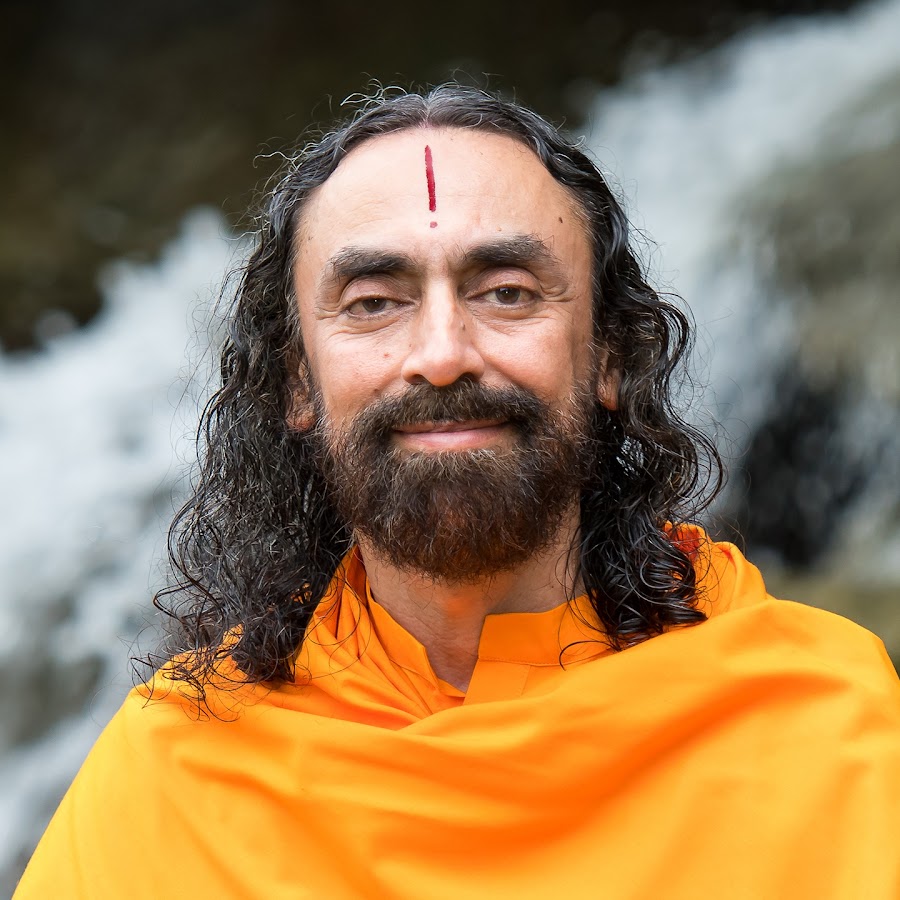
His talks on overcoming fear of death through the Bhagavad Gita provide profound comfort and clarity.