Life is not just a sequence of events; it is a sacred journey through joy and sorrow, guided by a higher wisdom. On May 7, 2025, Swami Mukundananda's Morning Gems Tidbit on Optimism delivered a powerful spiritual message: Even when life doesn't go our way, it is still part of God's beautiful plan. This session, along with his discourse “Why Bad Things Happen to Good People – Part 3”, offered practical tools and profound wisdom to help reframe our struggles with faith and optimism.
“Even one gem of divine knowledge has the power of transforming our lives, if we ponder over it deeply, believe it totally, and implement it.”— Swami Mukundananda
📜 Sanskrit Verse of the Day
Swamiji’s teachings beautifully align with this profound verse from the Bhagavad Gita:
“tat te ’nukampāṁ su-samīkṣamāṇobhuñjāna evātma-kṛtaṁ vipākamhṛd-vāg-vapurbhir vidadhan namas tejīveta yo mukti-pade sa dāya-bhāk”
“One who tolerates all kinds of adverse circumstances, considering them to be the result of their own past actions, and continues to worship God with heart, words, and body — such a person is sure to attain liberation.” - Śrīmad Bhāgavatam 10.14.8
This verse invites us to embrace difficulties with humility and perseverance, recognizing them as stepping stones on our path to liberation.
What Is Optimism in Spiritual Life?

Optimism is more than just seeing the glass half full. From a spiritual standpoint, it means:
- Trusting that everything happens for our ultimate good
- Believing that setbacks are setups for spiritual growth
- Seeing divine intelligence behind all circumstances
Swami Mukundananda encourages us to ask the deeper question: "What lesson is God teaching me through this challenge?"
How Can You Rewire Your Brain for Optimism?

Swamiji shared three practical practices to foster optimism in our daily lives. These tools are designed to rewire your thinking patterns and raise your emotional baseline.
1. 🌄 Daily Thinking: “I Have Utmost Gratitude For...”
Gratitude is the foundation of optimism.
- Each day, list 3 specific things you’re grateful for
- Focus on experiencing the gratitude, not just listing it
- This shifts your brain’s focus from what’s lacking to what’s abundant
“Gratitude transforms what we have into enough.”— Anonymous
2. 🌱 Practice: “Three Good Things”
Every evening, write down:
- Three good things that happened today
- Why they happened
- How you felt because of them
🧠 Why it works: This trains your brain to scan for positive moments, rather than defaulting to negativity.
“Positive psychology starts with gratitude and ends with joy.”— Dr. Martin Seligman
3. 🔍 Cross-Examination Questions
When facing a challenge, ask yourself:
- ❓ What negative information is my brain focusing on right now?
- 🌈 What positive aspects of this situation am I filtering out?
- ⚖️ What is the real magnitude of the positive vs. the negative?
This reflection helps break automatic pessimistic thinking and promotes rational optimism.
The Tree of Ténéré: A Metaphor for Optimism

Swamiji referenced the Tree of Ténéré — once the most isolated tree on Earth, thriving alone in the Sahara Desert. Despite being solitary and surrounded by harshness, it stood strong.
The lesson? Even when our environment seems barren or difficult, we can thrive with inner strength and faith in divine nourishment.
🌹 Thorns or Roses? – A Shift in Perspective
“We can complain because rose bushes have thorns or rejoice because thorn bushes have roses.”— Abraham Lincoln
This quote, shared in the session, perfectly sums up the mindset of spiritual optimism. It's not about denying the thorns — it’s about choosing to rejoice despite them.
God's Plan for Your Life – A Deeper Insight

Swamiji’s “Why Bad Things Happen to Good People – Part 3” explains that suffering is not arbitrary.
Challenges are not punishments but instruments for inner growth. God allows suffering to strengthen us spiritually, developing our wisdom, patience, courage, and faith. Without struggle, the soul would remain undeveloped and weak.
Life’s difficulties prevent complacency. They push us to reflect, strive, and grow. While we often view suffering negatively, from the soul’s eternal journey, these moments are essential steps toward spiritual maturity.
Swamiji emphasizes that God answers prayers through hardships. When we ask for strength, He gives us obstacles to overcome. When we seek wisdom or compassion, we receive situations that demand those very qualities. Thus, the challenges we face are precisely tailored to cultivate our spiritual virtues.
What appears as a bad experience may, in fact, be a blessing in disguise. Through trials, good people are refined, uplifted, and prepared for a higher purpose—the evolution of the soul toward its divine potential.
In short, suffering is:
- The result of past karma
- An opportunity for spiritual purification
- A test to deepen our faith and surrender
- A necessary step in God’s perfect design
“The righteous suffer not because God is unjust, but because the suffering is meant to uplift them further.”— Swami Mukundananda
💬 Quotes from the Session
- "Even one gem of divine wisdom can change your destiny."
- "Optimism is not denying difficulty; it is seeing divinity in it."
- "Train your mind to catch what's good — it's not automatic, but it's powerful."
- "God’s love comes disguised as challenges when He wants to make us stronger."
📣 Subscribe for More: Your Daily Dose of Divine Wisdom
To stay spiritually uplifted and gain daily insights like this, subscribe to Swami Mukundananda’s official YouTube channel:👉 https://www.youtube.com/@swamimukundananda

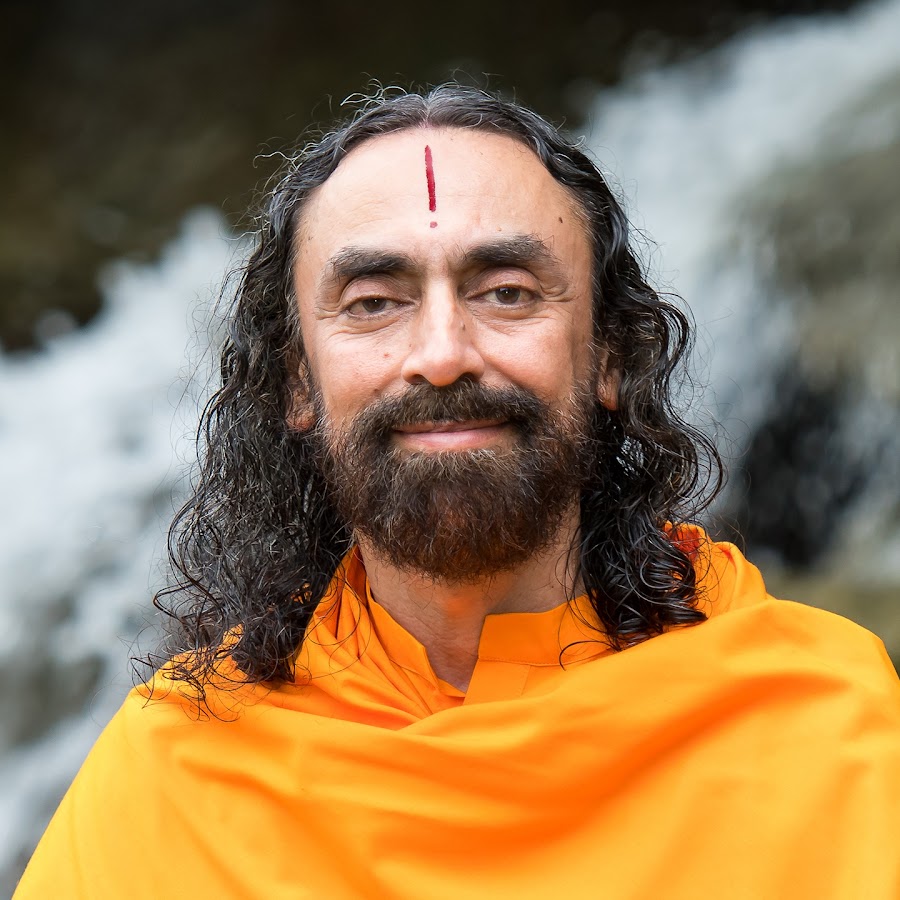
You’ll find discourses, guided meditations, and Morning Gems that bring divine clarity to everyday life.
❓ Frequently Asked Questions (FAQs)
1. What is the spiritual meaning of optimism?
It is the unwavering belief that all situations are arranged for your highest good by divine wisdom.
2. How can I practice optimism during hard times?
Use gratitude, mindful reflection, and trust in God’s plan to shift your mindset. Ask: “What can I learn from this?”
3. Why do bad things happen to good people?
Swamiji explains it's due to karmic purification and spiritual growth. Challenges are opportunities, not punishments.
4. How does gratitude help rewire the brain?
Studies in neuroscience show that consistent gratitude practice strengthens neural pathways that promote happiness.
5. Is optimism a choice or a feeling?
It starts as a choice that becomes a habit. Feelings follow repetition.
🧭 Summary: Key Takeaways
- 🌟 Optimism is a divine choice — a mindset rooted in surrender and trust in God's plan
- 🌿 Gratitude and reflection help rewire your thoughts toward positivity
- 🌍 God never makes mistakes — even your suffering has a purpose in your soul’s journey
- 💬 Ask the right questions — transform your problems into pathways
- 📺 Subscribe for spiritual growth — Swami Mukundananda’s YouTube channel is a daily source of inspiration.
📚 References & Resources
- Swami Mukundananda – Official YouTube Channel
- Why Bad Things Happen to Good People | Part 3 – YouTube Video
- https://www.holy-bhagavad-gita.org – Source for Sanskrit verses
- Seligman, M.E.P. (2006). Learned Optimism: How to Change Your Mind and Your Life
By contemplating these teachings and applying the tools provided, you can cultivate a resilient, joyful, and divinely optimistic mindset — no matter what life throws at you.
Start today. Choose optimism. Trust God’s plan.