
Amid the relentless rhythm of daily life, the soul often longs for a sanctuary of stillness, prayer, and divine grace. The sacred Satyanarayan Puja, observed each Purnima at the Radha Krishna Temple of Dallas, offers devotees a beautiful opportunity to pause, release their burdens, and reconnect with God.
Under the auspicious glow of the full moon, families gather to worship Lord Satyanarayan, the compassionate form of Lord Vishnu and the embodiment of truth, righteousness, harmony, and divine protection. Through heartfelt prayers, sacred offerings, the narration of the Satyanarayan Katha, and aarti, devotees seek blessings for peace, prosperity, spiritual strength, and the well-being of their loved ones.
More than a religious ceremony, the monthly puja is a sincere expression of gratitude and surrender. It reminds devotees to recognize the Lord’s loving presence in every circumstance, remain faithful during difficult times, and walk the path of truth and devotion with renewed conviction.
By bringing families and the wider community together in worship and spiritual fellowship, the Radha Krishna Temple of Dallas creates a sacred space where hearts are uplifted and faith is strengthened. Devotees may check the official temple schedule for the latest monthly date and timing.
Who Is Lord Satyanarayan?

The name Satyanarayan carries a beautiful and profound spiritual meaning.
“Satya” means truth, and “Narayan” refers to the Supreme Lord, the eternal shelter and sustainer of all living beings. Lord Satyanarayan is worshipped as the embodiment of divine truth, compassion, righteousness, and grace.
To worship Lord Satyanarayan is not only to pray for the fulfillment of wishes. It is also to make an inner commitment to live with honesty, gratitude, humility, and faith.
Truth is more than speaking factually. At its highest level, truth means understanding who we truly are and recognizing our eternal relationship with God. We often define ourselves by our occupation, family role, social position, possessions, or achievements. Yet all these external identities change with time. The soul’s relationship with the Supreme Lord is eternal.
Satyanarayan Puja lovingly brings this spiritual truth back into our awareness.
When we bow before Lord Satyanarayan, we acknowledge that our abilities, relationships, opportunities, and accomplishments are not ours alone. They have been made possible by divine grace. The puja helps us replace pride with humility, fear with faith, restlessness with prayer, and uncertainty with surrender.
It teaches us to say from the heart:
“Dear Lord, everything I have is Your gift. Please grant me the wisdom to use Your blessings in the right way. Guide my thoughts, words, and actions so that my life may become pleasing to You.”
Why Is Satyanarayan Puja Performed on Purnima?
Purnima, the full moon day, holds a special place in Hindu spiritual tradition. The full moon appears radiant, complete, peaceful, and filled with gentle beauty. It symbolizes purity, fullness, illumination, and the removal of inner darkness.
The moon does not create its own light. It reflects the radiance of the sun. In the same way, the soul shines most beautifully when it reflects the light of God.
When the mind becomes covered by anger, attachment, jealousy, pride, fear, or anxiety, we may temporarily lose awareness of that divine light. Prayer, satsang, katha, and devotional worship help remove these inner clouds. They allow the natural purity of the soul to shine again.
Purnima is traditionally regarded as an auspicious time for worship, spiritual reflection, charity, prayer, and the remembrance of God. Performing Satyanarayan Puja on this sacred day gives devotees an opportunity to pause and examine their lives.
The Spiritual Significance of Satyanarayan Puja

The deepest purpose of Satyanarayan Puja is the purification of the heart.
It is natural for devotees to pray for good health, financial stability, professional success, family harmony, protection from obstacles, and the fulfillment of righteous wishes. These prayers arise from genuine human needs, and the compassionate Lord understands every emotion of His devotees.
Yet the greatest blessing of the puja is not merely a change in external circumstances. It is the transformation that takes place within.
The puja encourages us to strengthen our faith in God, especially when life does not unfold according to our expectations. It reminds us that the Lord’s wisdom is greater than our limited understanding. What appears to be a delay may be protection. What seems like a disappointment may redirect us toward something more beneficial. What feels like a challenge may be an opportunity to deepen our patience, humility, and devotion.
Satyanarayan Puja inspires devotes to live according to dharma. It teaches that spiritual life is not limited to the time spent inside a temple. Devotion must become visible in the way we speak, work, serve, forgive, and respond to difficulties.
A person may offer beautiful flowers to God, but the Lord is most pleased when the heart also blossoms with kindness.
Divine Blessings of Peace, Prosperity, and Well-Being
Satyanarayan Puja is traditionally performed to seek divine blessings for peace, prosperity, harmony, protection, and success in righteous endeavors.
However, the meaning of prosperity in spiritual life is far greater than material wealth.
True prosperity includes a peaceful mind, a healthy body, loving relationships, noble values, spiritual wisdom, and opportunities to serve others. A person may possess great wealth yet remain anxious and dissatisfied. Another person may live simply but feel inwardly rich because the heart is filled with gratitude, faith, and contentment.
What is success if it separates us from our values?
What is wealth if it cannot bring harmony to the home?
What is achievement if the mind remains disturbed?
When devotees pray to Lord Satyanarayan for prosperity, they are encouraged to seek prosperity guided by Dharma. They pray for resources that can support the family, serve society, help those in need, and contribute to noble causes. They pray for success that increases humility rather than ego. They pray for abundance that awakens generosity.
Peace also does not mean that life will never present challenges. It means developing the inner strength to remain connected with God while facing them.
A devotee learns to say:
“Lord, I will perform my duties with sincerity. I will make the best effort I can. But I place the final result in Your hands.”
This surrender does not make a person passive. It brings courage. It allows us to act responsibly without becoming consumed by fear about the outcome.
The Sacred Rituals of Satyanarayan Puja
Each part of Satyanarayan Puja carries a devotional and symbolic meaning. The external rituals help gather the wandering mind and direct it toward the Lord.
Sankalp
The puja begins with the sankalp, or sacred intention. The devotee mentally offers the purpose of the worship and resolves to participate with sincerity.
A family may perform the puja to express gratitude, celebrate an important milestone, pray for a loved one, seek strength during difficulty, or simply deepen its devotion. Whatever the intention may be, the sankalp reminds participants to become fully present before God.
Kalash Sthapana
A sacred kalash is established as a symbol of purity, auspiciousness, abundance, and divine presence. It reminds devotees that all creation is sustained by the power of the Supreme.
Invocation of Lord Ganesh

Lord Ganesh is traditionally worshipped at the beginning of auspicious ceremonies. Devotees pray for the removal of obstacles and for wisdom to complete the worship with concentration and devotion.
Worship of Lord Satyanarayan
Lord Satyanarayan is lovingly invoked and worshipped with sacred mantras, flowers, sandalwood, Tulsi leaves, fruits, sweets, and other offerings.
Each flower represents the beauty and purity we wish to cultivate within our hearts.
Each fruit represents the results of our actions, which we surrender to the Lord.
The lighting of the diya symbolizes the removal of ignorance through divine wisdom.
The fragrance of incense reminds us that a life of goodness and devotion spreads sweetness wherever it goes.
Panchamrit and Sacred Offerings
Panchamrit, traditionally prepared with sacred ingredients, is offered during worship. Fruits, sweets, and prasad are also presented with devotion.
The Lord does not require grand possessions from us. He looks at the feeling with which an offering is made. A simple flower offered with genuine love is more precious than an elaborate offering made without devotion.
Satyanarayan Katha
The sacred Satyanarayan Katha is narrated as an essential part of the observance. Through meaningful stories, devotees learn the importance of faith, gratitude, truthfulness, humility, and honoring one’s promises.
Aarti and Prasad

The puja concludes with aarti and prayers. Devotees offer the light of the lamp to the Lord and seek His grace.
Prasad is then distributed. Prasad is not regarded as ordinary food. It has first been offered to God and received back as a blessing. Accepting prasad with gratitude reminds devotees that everything in life is ultimately received through divine grace.
The Timeless Lessons of Satyanarayan Katha
The Satyanarayan Katha is filled with spiritual teachings that remain deeply relevant in modern life.
The stories show how individuals from different circumstances approach the Lord with faith. They pray for blessings, receive divine grace, and are reminded of the importance of honoring their commitments.
One of the central lessons is that we should not forget God after our wishes are fulfilled. Human nature often turns toward prayer during difficulty. When a health problem arises, when finances become uncertain, when relationships are troubled, or when the future appears unclear, the heart calls out to God. Yet once the difficulty passes, it is easy to return to routine and forget the grace that carried us through.
Satyanarayan Katha reminds us that devotion should not be based only on need. It should become a loving and continuous relationship with God.
We should remember Him in sorrow and in happiness. We should pray when we need help and also when everything is going well. We should thank Him not only for extraordinary blessings, but also for the simple gifts we receive every day.
The katha also emphasizes the value of keeping one’s word. A promise made before God should be treated with sincerity. This lesson extends beyond ritual observances. It teaches us to become trustworthy in our relationships, honest in our work, and responsible in our duties.
The stories also warn against pride. When blessings arrive, the ego may begin to believe, “I achieved everything by my own ability.” The katha gently corrects this attitude. Human effort is important, but effort alone does not control every circumstance. Countless visible and invisible factors support every success.
Gratitude: The Heart of the Puja
Gratitude is one of the most beautiful emotions awakened through Satyanarayan Puja.
The human mind naturally notices what is missing. We may overlook the blessings that are already present while constantly thinking about what we have not yet received.
Even the difficulties of life can eventually become blessings when they deepen our wisdom, compassion, and dependence on God.
Gratitude does not mean denying pain. A devotee may still experience grief, disappointment, or uncertainty. Gratitude means recognizing that even in the midst of pain, divine support is present.
When gratitude enters the heart, complaints begin to decrease. Comparison loses its hold. The mind becomes calmer. The devotee begins to experience abundance even in simple circumstances.
Satyanarayan Puja teaches us to offer a sincere prayer:
“Lord, thank You for the blessings I recognize and for those I have failed to notice. Thank You for protecting me in ways I may never understand. Please help me remember Your grace every day.”
A Divine Experience for the Entire Family
One of the most meaningful aspects of the monthly Satyanarayan Puja is the opportunity for families to worship together.
In the sacred atmosphere of the temple, family differences may momentarily fade. The sounds of mantras, the glow of the lamp, the beauty of the deity, and the narration of the katha bring the mind toward a higher purpose.
A child watches parents and grandparents fold their hands in prayer. These simple moments can leave a lasting impression. Children learn spirituality not only through instructions, but through what they see and experience.
When they observe their parents bow with humility, offer flowers lovingly, listen respectfully to the katha, and receive prasad with gratitude, spiritual values enter the heart naturally.
The monthly puja can become a cherished family tradition. Over time, the sights, sounds, and feelings associated with the worship create precious memories. Even as children grow older, they may remember the warmth of sitting together in the temple, the fragrance of incense, the light of aarti, and the loving presence of family.
A family that prays together will still encounter challenges, but it develops a shared source of strength. During difficulty, family members can remind one another to have faith. During happiness, they can express gratitude together.
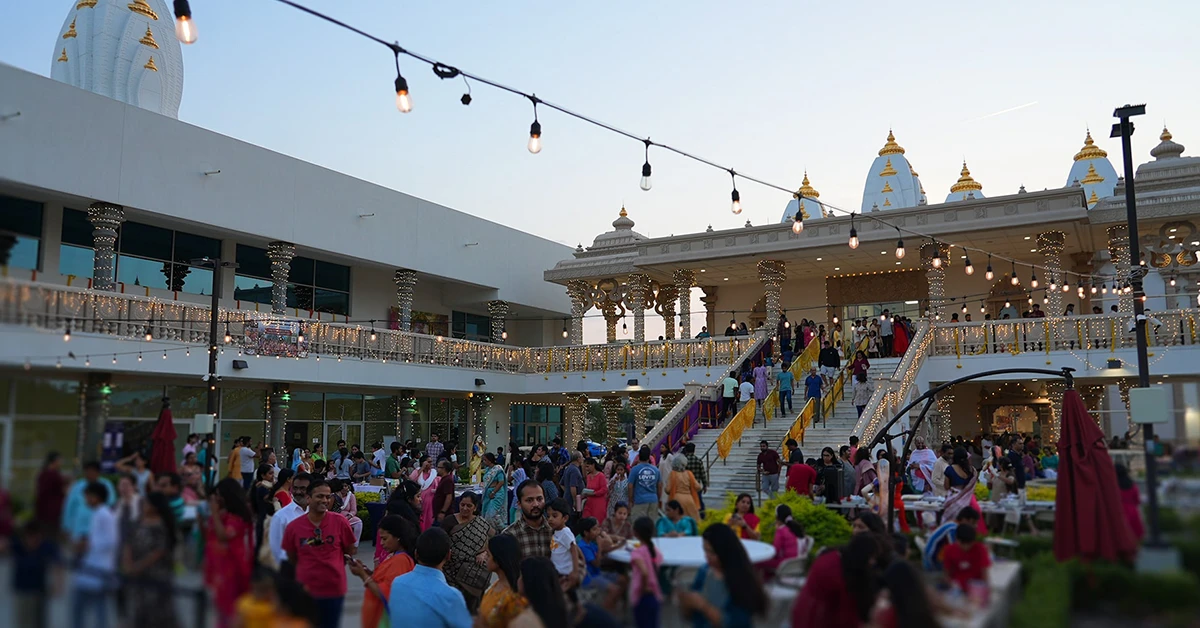
The Joy of Community Worship at Radha Krishna Temple

There is a unique spiritual sweetness in collective worship.
When many devotees gather with a shared intention, the atmosphere becomes filled with sacred energy. One person may arrive carrying worry. Another may come with gratitude. Someone may be praying for a child, a parent, a career, a marriage, or healing. Others may come without asking for anything, simply wishing to offer their love to God.
Collective chanting helps quiet the restless mind. Listening to katha strengthens faith. Participating in aarti awakens devotion. Receiving prasad creates a feeling of divine closeness. Meeting other devotees reminds us that spiritual life does not need to be walked alone.
The Radha Krishna Temple of Dallas serves families throughout the Dallas and Fort Worth area through prayer, devotional programs, cultural activities, spiritual classes, and community gatherings. The temple is located at 1450 N. Watters Road, Allen, Texas 75013.
Who Can Participate in Satyanarayan Puja?
Satyanarayan Puja is open to anyone who wishes to participate with faith and reverence.
Families may join to pray for peace and unity in the home.
Couples may seek blessings on an anniversary or at the beginning of married life.
Parents may pray for the health, character, and spiritual growth of their children.
Individuals may participate before beginning a new job, business, home, educational journey, or important phase of life.
Devotees may also sponsor or attend the puja in gratitude for a birthday, recovery from illness, fulfillment of a prayer, or another meaningful occasion.
Some participants may come during a period of uncertainty and seek emotional strength. Others may come simply because they feel drawn to the Lord.
Even those who are unfamiliar with the rituals can participate respectfully. The most important preparation is not external knowledge. It is sincerity of heart.
How to Prepare for the Monthly Puja
Devotees can prepare for Satyanarayan Puja in a simple and meaningful way.
Before arriving, take a few moments to calm the mind. Reflect upon the intention behind your participation. You may wish to express gratitude, pray for someone, seek guidance, or surrender a particular worry to the Lord.
Wear clean and modest attire appropriate for temple worship. Arrive early so that you can settle peacefully without feeling rushed.
Families may bring flowers, fruits, or other offerings according to the temple’s instructions for that month. Since arrangements can vary, devotees should review the latest event information before attending.
During the puja, listen attentively to the mantras and katha. Even when every Sanskrit word is not understood, the mind can remain connected through devotion.
Encourage children to participate by offering flowers, joining prayers, observing aarti, and receiving prasad respectfully.
Most importantly, come with humility.
Do not worry about performing every action perfectly. God looks at the sincerity behind the action. A distracted mind can gently be brought back. An imperfect prayer offered honestly is still precious to the Lord.
Call To Action
Join us for the Monthly Satyanarayan Puja at Radha Krishna Temple of Dallas and seek Lord Satyanarayan’s blessings for peace, prosperity, harmony, and spiritual well-being. Bring your family and experience the joy of prayer, katha, aarti, and divine grace.

Frequently Asked Questions
What is the significance of Satyanarayan Puja?
Satyanarayan Puja is dedicated to Lord Satyanarayan, a compassionate form of Lord Vishnu. It inspires devotees to follow the path of truth, gratitude, righteousness, humility, and devotion. Families traditionally participate to seek peace, prosperity, harmony, spiritual strength, and divine protection.
Why is the puja performed on Purnima?
Purnima is considered an auspicious day for prayer, worship, charity, and spiritual reflection. The brightness of the full moon symbolizes completeness, purity, and divine illumination. Performing the puja on Purnima helps devotees renew their faith and begin the next month with a peaceful and grateful heart.
Can children and families participate?
Yes. Satyanarayan Puja is a beautiful family observance. Children can participate by offering flowers, listening to the katha, joining the aarti, and receiving prasad. It is also a meaningful way for parents to introduce children to Hindu traditions and devotional values.
Can I participate even if I do not know the rituals?
Yes. Prior knowledge of the rituals is not required. Devotees can follow the guidance provided during the ceremony and participate with faith and respect. Sincerity and devotion are more important than perfect knowledge of every ritual.
Can the puja be sponsored for a special occasion?
Devotees often sponsor Satyanarayan Puja for birthdays, anniversaries, a new home, a new job, family milestones, recovery from illness, the fulfillment of a prayer, or another meaningful occasion. Sponsorship details should be confirmed through the temple’s official event page.
What should devotees bring?
Offerings may include fruits, flowers, or prasad, depending on the arrangements for the monthly event. Devotees should consult the latest temple announcement or registration information for specific instructions.
Is registration required?
Registration or sponsorship arrangements may vary by month. Devotees are encouraged to review the current schedule and event page before attending.