

Meena Sankranti is an important Hindu festival that marks the transition of the Sun into the zodiac sign of Pisces (Meena Rashi). Sankranti, meaning “transition,” occurs every month when the Sun moves from one zodiac sign to another. Among the twelve Sankrantis in the Hindu solar calendar, Meena Sankranti is the twelfth and final transition. It carries deep spiritual meaning because it represents the completion of one astrological cycle and prepares devotees for a new beginning.
In 2026 Meena Sankranti will be observed with devotion across India. Devotees perform sacred rituals, take holy dips in rivers, offer charity, and seek divine blessings. This day encourages spiritual reflection, purification, and acts of generosity.
This article explores the Meena Sankranti 2026 date and timings, its spiritual and religious significance, rituals, traditions, regional celebrations, and insights inspired by Swami Mukundananda’s teachings on devotion and selfless service.
What is Meena Sankranti?

Meena Sankranti marks the moment when the Sun moves from Aquarius (Kumbha Rashi) into Pisces (Meena Rashi). In Hindu astrology the Sun’s movement from one zodiac sign to another is known as Sankranti. Each Sankranti carries unique spiritual symbolism.
Meena Sankranti is especially important because it is the final Sankranti of the Hindu solar calendar. After this transition the Sun will enter Aries in April during Mesha Sankranti, which is widely celebrated as the Hindu New Year in many regions.
This transition symbolizes the completion of a cycle. Spiritually it represents introspection, detachment, and preparation for renewal. Devotees believe that observing spiritual practices on this day helps cleanse past karmas and brings divine grace.
The Pisces sign in astrology is associated with compassion, devotion, wisdom, and spiritual depth. Because of this association, Meena Sankranti encourages individuals to focus on inner growth, meditation, and acts of kindness.
Meena Sankranti 2026 Date and Timings
In 2026 Meena Sankranti will be observed on Sunday, March 15. The exact moment when the Sun enters Pisces is known as the Sankranti moment. This moment determines the auspicious periods for performing rituals, taking holy baths, and offering charity.
The most sacred times during Sankranti are called Punya Kaal and Maha Punya Kaal. Devotees consider these periods highly auspicious for spiritual activities.
Important Timings for Meena Sankranti 2026
| Event | Date and Time (IST) | Date and Time in Dallas, Texas (CDT) |
| Meena Sankranti Moment | 01:09 AM, March 15, 2026 | 02:39 PM, March 14, 2026 |
| Punya Kaal | 06:46 AM to 12:48 PM, March 15, 2026 | 08:16 PM, March 14 to 02:18 AM, March 15, 2026 |
| Maha Punya Kaal | 06:46 AM to 08:48 AM, March 15, 2026 | 08:16 PM to 10:18 PM, March 14, 2026 |
For religious observance in Dallas, it is best to follow the local Panchang or temple timings, since Sankranti observance and Punya Kaal can sometimes be interpreted locally rather than by direct IST conversion.
The Maha Punya Kaal is regarded as the most sacred time for taking holy dips, offering prayers, and performing charity. Many devotees wake early in the morning to participate in these rituals.
In traditional calculations spiritual activities related to Sankranti are often performed sixteen Ghatis after the transition, which equals approximately six and a half hours.
Since auspicious timings can vary depending on location, devotees often consult the local Panchang or an astrology expert for accurate guidance.
Spiritual Significance of Meena Sankranti

Meena Sankranti holds profound spiritual significance in Hindu tradition because it marks the final transition of the Sun in the zodiac cycle. As the Sun enters Pisces (Meena Rashi), it represents the closing phase of the cosmic journey before the beginning of a new astrological year with Mesha Sankranti. This transition is seen as a sacred moment for introspection, purification, and preparation for new spiritual beginnings.
In Hindu philosophy celestial movements are not merely astronomical events. They are believed to influence spiritual energies on Earth and provide opportunities for individuals to align themselves with divine principles. Meena Sankranti therefore becomes a time for devotees to reflect on their spiritual progress, perform righteous deeds, and seek divine blessings for the future.
Completion of the Spiritual Cycle
One of the most important spiritual aspects of Meena Sankranti is the completion of the Sun’s journey through all twelve zodiac signs. Each zodiac transition represents a phase of growth and experience in the cosmic cycle.
When the Sun enters Pisces, it symbolizes the end of this journey. Spiritually this moment represents closure and fulfillment. Just as the end of a year invites reflection on past actions, Meena Sankranti encourages individuals to evaluate their thoughts, deeds, and spiritual progress over the previous cycle.
Devotees believe that this is the ideal time to release negative habits, forgive past mistakes, and begin preparing for a fresh start in the coming astrological year.
Symbol of Detachment and Inner Reflection
Pisces is traditionally associated with compassion, intuition, and spiritual depth. In Vedic astrology Meena Rashi represents the stage of detachment where the soul begins to turn inward and seek higher truth.
Because of this symbolism Meena Sankranti encourages people to move away from excessive material concerns and focus on spiritual awareness. Devotees spend time in prayer, meditation, and self reflection to understand their life purpose more clearly.
Spiritual teachers often explain that during this period individuals should cultivate qualities such as humility, kindness, and forgiveness. These virtues help purify the mind and strengthen the connection with the divine.
Opportunity for Spiritual Purification
Another important spiritual belief associated with Meena Sankranti is purification. The transition of the Sun is considered a powerful moment when cosmic energies shift. Such transitions are believed to enhance the effectiveness of spiritual practices.
Bathing in sacred rivers, chanting mantras, fasting, and performing acts of charity are believed to cleanse accumulated karma and purify the mind. Devotees believe that sincere prayers offered during the Punya Kaal can remove negative influences and bring spiritual clarity.
This purification is not only physical but also emotional and spiritual. It encourages individuals to let go of anger, greed, and attachment while cultivating positive qualities such as compassion and generosity.
Strengthening Connection with Surya Dev
The Sun is worshipped in Hinduism as Surya Dev, the divine source of energy and life. Meena Sankranti highlights the importance of expressing gratitude to this cosmic force.
Devotees offer water to the rising Sun and chant sacred mantras seeking health, prosperity, and spiritual wisdom. The Sun represents illumination and truth, and worshipping Surya Dev symbolizes the removal of ignorance from the mind.
Spiritually this practice reminds individuals that just as the Sun illuminates the world, divine knowledge illuminates the human soul.
Connection with Lord Vishnu

Meena Sankranti is also associated with Lord Vishnu, the preserver of the universe. Pisces is symbolized by fish, which connects the festival to the Matsya Avatar of Vishnu.
The Matsya Avatar represents divine protection and the preservation of life during times of cosmic transition. Devotees believe that worshipping Lord Vishnu during Meena Sankranti brings stability, guidance, and protection.
Many devotees chant the Vishnu Sahasranama or perform Satyanarayan Puja on this day. These practices are believed to bring peace and spiritual growth.
Importance of Charity for Spiritual Merit
Charity plays a central role in the spiritual significance of Meena Sankranti. Hindu scriptures emphasize that acts of kindness performed during Sankranti generate immense spiritual merit known as Punya.
Helping the poor, feeding animals, and donating essential items are considered sacred acts that purify the heart. These acts reflect the principle of selfless service, which is a core value in Hindu spirituality.
By sharing wealth and resources with others, individuals reduce ego and develop compassion. This transformation of the heart is considered one of the highest forms of spiritual progress.
Preparing for New Beginnings
Another key spiritual meaning of Meena Sankranti is preparation for the new cycle that begins with Mesha Sankranti. Just as nature prepares for the arrival of spring, the soul prepares for renewal and growth.
Devotees use this period to set positive intentions for the future. They pray for wisdom, health, prosperity, and spiritual advancement.
This moment of transition reminds individuals that life moves in cycles. Every ending carries the promise of a new beginning, and spiritual growth continues with each cycle.
Alignment with Cosmic Energy
In Vedic philosophy human life is deeply connected with cosmic rhythms. The movement of planets and stars reflects the larger order of the universe.
Meena Sankranti represents a moment when cosmic energy shifts from completion to renewal. By performing spiritual practices during this time, devotees believe they align themselves with the natural flow of the universe.
This alignment is believed to bring harmony, balance, and inner peace.
Path Toward Spiritual Growth
Ultimately the spiritual significance of Meena Sankranti lies in its message of transformation. It reminds devotees that true progress in life comes not only from material success but from spiritual awakening.
Through prayer, charity, meditation, and self reflection, individuals can purify their minds and strengthen their connection with the divine.
Meena Sankranti therefore serves as a powerful reminder that every cycle of life offers an opportunity for growth, renewal, and spiritual enlightenment.
Rituals and Traditions of Meena Sankranti
Various sacred rituals are observed on Meena Sankranti. These traditions emphasize purification, devotion, and generosity.
Holy Bath and River Worship

One of the most important rituals is taking a sacred bath known as Sankranti Snan.
Devotees gather at holy riverbanks and pilgrimage sites to take a dip in sacred waters. Some of the most popular locations include:
- Haridwar
- Prayagraj
- Varanasi
- Rameshwaram
Bathing in these sacred rivers is believed to cleanse sins and bring divine blessings.
After the bath devotees offer water to Surya Dev while chanting mantras.
Charity and Donations (Daan Punya)
Charity plays a central role in Meena Sankranti celebrations. Giving to the needy on this day is believed to bring spiritual merit and divine grace.
Common forms of charity include:
| Donation Type | Spiritual Meaning |
| Food grains | Symbol of nourishment and abundance |
| Jaggery and sesame seeds | Associated with purity and positive energy |
| Clothes and blankets | Helping those in need |
| Copper or brass utensils | Traditional religious offering |
| Feeding cows | Considered highly sacred |
| Temple donations | Supporting religious institutions |
Devotees are advised to perform donations during the Punya Kaal for maximum spiritual benefit.
Fasting for Spiritual Discipline
Many people observe a fast on Meena Sankranti to strengthen devotion and self control.
Some devotees follow a partial fast, consuming fruits and milk throughout the day. Others eat only simple Satvik foods such as fruits, vegetables, and grains without onion or garlic.
Fasting helps devotees focus on prayer and spiritual practices while reducing worldly distractions.
Visiting Temples and Performing Pujas
Temple visits are an important part of the celebration. Devotees offer prayers at temples dedicated to Lord Vishnu, Lord Shiva, and Surya Dev.
Common religious practices include:
- Surya Puja at sunrise
- Vishnu Sahasranama chanting
- Satyanarayan Puja at home
- Participating in homams or fire rituals
These rituals are believed to bring peace, prosperity, and divine blessings.
Mythological narratives and symbolic traditions related to Meena Sankranti.
1. The Sun God’s Journey Through the Zodiac
One widely shared mythological explanation comes from the journey of Surya Dev, the Sun God, through the twelve zodiac signs.
According to Hindu cosmology, Surya Dev travels across the sky in a celestial chariot driven by seven horses, symbolizing the seven colors of light and the seven days of the week. As he moves through the twelve zodiac signs during the year, each transition is celebrated as Sankranti.
When Surya Dev enters Pisces (Meena Rashi), it marks the final phase of his annual journey. This moment symbolizes the completion of a cycle and preparation for a new beginning when the Sun enters Aries.
In mythology this transition represents:
- Completion of cosmic duties
- Spiritual reflection and purification
- Preparation for renewal and rebirth
Devotees worship Surya Dev during Meena Sankranti to thank him for sustaining life and to seek his blessings for the upcoming year.
2. Connection with Lord Vishnu and the Matsya Avatar
The zodiac sign Pisces is represented by fish, which symbolically connects Meena Sankranti with the Matsya Avatar of Lord Vishnu, the first incarnation of Vishnu.
According to the ancient legend, a small fish once appeared before King Manu while he was performing rituals by a river. The fish asked the king for protection. Manu placed the fish in a pot, but it kept growing larger and larger. Eventually it was revealed that the fish was actually Lord Vishnu in disguise.
Lord Vishnu warned Manu that a great flood would soon destroy the world. He instructed Manu to build a large boat and gather sages, seeds, and animals to preserve life.
When the flood arrived, the divine fish guided the boat safely across the waters and protected humanity. After the waters receded, life on Earth began anew.
This story represents:
- Protection and divine guidance
- Preservation of life and knowledge
- Renewal after destruction
Since Meena Sankranti occurs in the zodiac sign associated with the fish, many devotees symbolically connect this festival with the protection and renewal associated with Vishnu’s Matsya Avatar
Celebrations of Meena Sankranti Across India

While Meena Sankranti is observed nationwide as a transition of the Sun, its regional variations emphasize different spiritual stories and local customs: South India: Karadaiyan Nombu (Tamil Nadu)
- Significance: Known as Karadaiyan Nombu or Savitri Vratam, this is one of the most prominent regional observances linked to Meena Sankranti. It celebrates the devotion of Savitri, who saved her husband Satyavan from Yama, the Lord of Death.
- Key Rituals:
- Manjal Saradu: Married women tie a sacred yellow thread around their necks at the exact moment of the Sun's transition (the Sankramana moment) to pray for their husbands' longevity.
- Special Offering: A unique steamed rice cake called Karadai (made with rice flour, black-eyed peas, and jaggery) is offered to Goddess Parvati with unmelted butter.
- Manjal Saradu: Married women tie a sacred yellow thread around their necks at the exact moment of the Sun's transition (the Sankramana moment) to pray for their husbands' longevity.
2026 Timing: For the 2026 cycle, rituals begin on Saturday, March 14, with the sacred thread (Manjal Saradu) typically tied at the Sankranti moment early on March 15.
Eastern India: Odisha
- Charity Focus: In Odisha, the day is marked by Annadhaan (offering free meals to the poor) and visiting temples to seek blessings for the upcoming year.
Ritual Offerings: Devotees often offer special rice-based preparations to the Sun God, and it is considered a peak time for land donations to earn spiritual merit.
North India: Punjab and Uttar Pradesh
- Temple Traditions: In states like Punjab, temples are cleaned with holy water and decorated. Devotees visit early in the morning to offer prayers to Surya Dev.
- Holy Dips: Taking a dip in the Ganges remains the primary ritual in Uttar Pradesh, where the transition is viewed as a "cleansing" period before the harvest season peaks
Western India: Maharashtra and Gujarat
- Community Prayers: In these regions, the day is often a time for community bonding and cultural performances.
Agrarian Blessings: Farmers specifically seek blessings for a prosperous harvest season, as this Sankranti marks the end of the winter solar cycle.
Teachings of Swami MukundanandaRelated to Meena Sankranti
The spiritual message of Meena Sankranti aligns closely with the teachings of Swami Mukundananda, a renowned spiritual teacher who emphasizes devotion, selfless service, and inner transformation.
According to his teachings, festivals and sacred days are opportunities to deepen one’s connection with God.
Key Teachings Relevant to Meena Sankranti
| Teaching | Meaning |
|---|---|
| Practice devotion daily | Spiritual growth comes through regular prayer and meditation |
| Perform selfless service | Helping others purifies the heart |
| Control the mind | Discipline leads to inner peace |
| Seek divine grace | True happiness comes from spiritual connection |
| Practice gratitude | Recognizing blessings brings contentment |
Swami Mukundananda often explains that charity and kindness are powerful spiritual practices. Acts of giving not only help others but also uplift the giver.
These teachings resonate strongly with the spirit of Meena Sankranti, which emphasizes generosity, reflection, and devotion.
Astrological Advice for Meena Sankranti 2026
Astrologers consider Meena Sankranti a time for reflection rather than starting new ventures.
Here are some commonly suggested practices:
- Chant Vishnu Sahasranama for spiritual progress
- Offer water to Surya Dev at sunrise
- Donate food and clothes to the needy
- Avoid beginning new business ventures during inauspicious periods
- Spend time in meditation and prayer
Many astrologers also advise checking Rahu Kaal and Shubh Choghadiya before performing important rituals.
Conclusion
Meena Sankranti is a spiritually significant festival that marks the Sun’s transition into Pisces and the conclusion of the solar astrological cycle. It is a day dedicated to reflection, purification, charity, and devotion.
In 2026 Meena Sankranti will be observed on Sunday, March 15, with auspicious periods such as the Punya Kaal and Maha Punya Kaal providing ideal times for rituals and charitable activities.
Through sacred baths, prayers, fasting, and acts of generosity, devotees seek blessings for peace, prosperity, and spiritual growth. The festival also encourages individuals to let go of negativity and prepare for new beginnings as the next astrological cycle approaches.
The teachings of spiritual leaders such as Swami Mukundananda remind us that true spirituality lies in devotion, gratitude, and selfless service.
By embracing these values Meena Sankranti becomes more than a festival. It becomes an opportunity for inner transformation and a reminder that every ending leads to a new beginning filled with hope and divine grace.
Celebrate Meena Sankranti with Joy and Devotion 🌞✨
Meena Sankranti is a sacred time for spiritual renewal, gratitude, and divine blessings. As the Sun enters Pisces and the astrological cycle reaches completion, this auspicious day invites us to reflect, pray, and perform acts of kindness.
Make this Meena Sankranti special by celebrating with devotion, chanting sacred mantras, and connecting with a spiritual community.
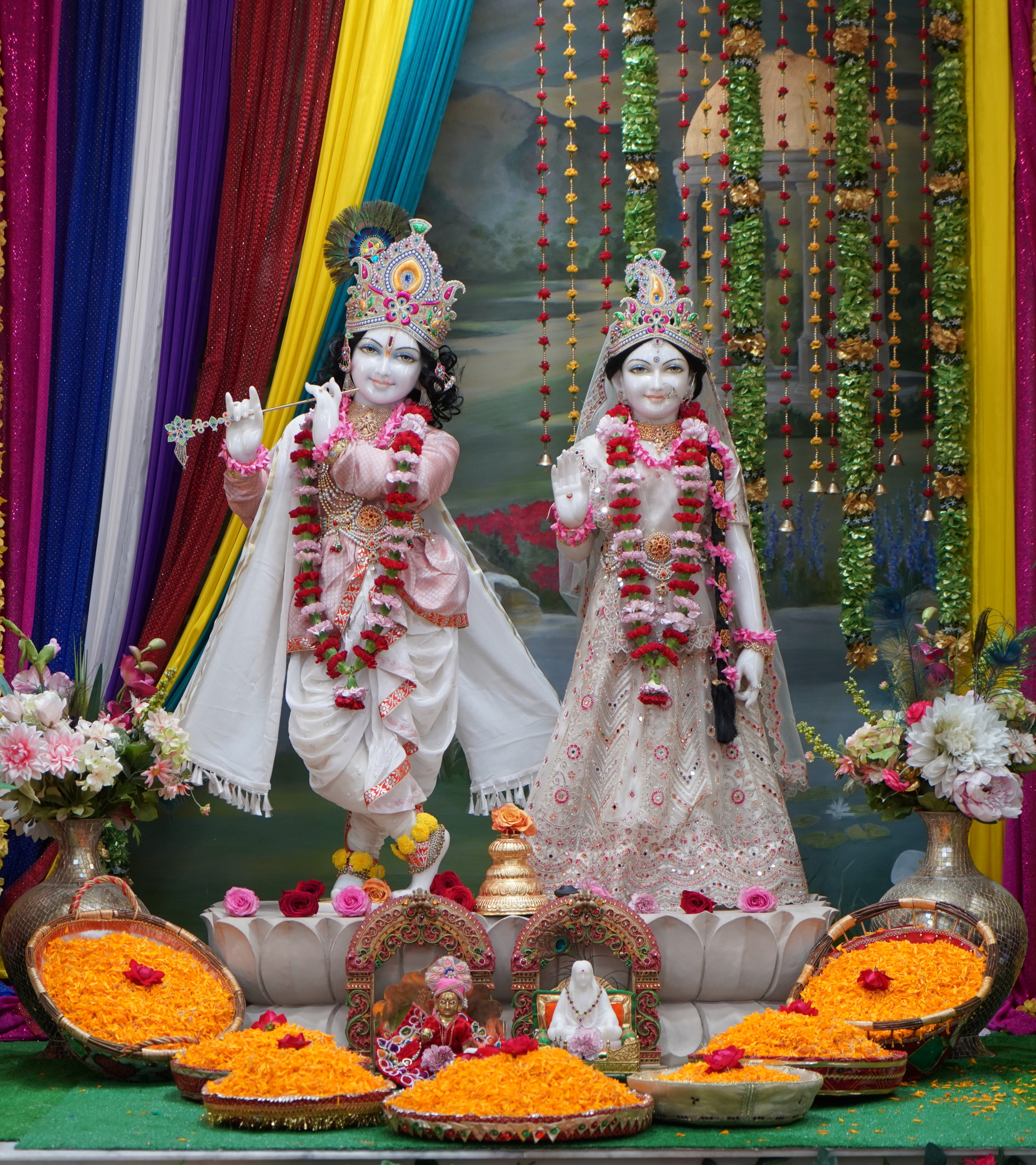
Join the Celebration at
Radha Krishna Temple of Dallas
Experience the divine atmosphere with:
🌸 Soul uplifting kirtans and bhajans
🙏 Special temple prayers and darshan
🪔 Inspiring spiritual discourses
🤝 Opportunities for seva and charity
Celebrate this sacred occasion with fellow devotees and fill your heart with peace, devotion, and positivity.
✨ Visit the Radha Krishna Temple of Dallas and welcome the blessings of Meena Sankranti! 🙏

FAQs About Meena Sankranti 2026
1. When is Meena Sankranti in 2026?
Meena Sankranti in 2026 will be observed on Sunday, March 15, 2026, when the Sun enters Pisces (Meena Rashi) at 01:09 AM IST.
2. Why is Meena Sankranti important in Hinduism?
Meena Sankranti marks the final transition of the Sun in the Hindu solar calendar. It symbolizes spiritual reflection, purification, and preparation for the new astrological cycle that begins with Mesha Sankranti.
3. What are the main rituals performed on Meena Sankranti?
Devotees usually perform holy bathing in sacred rivers, Surya Puja, charity, fasting, temple visits, and mantra chanting to seek divine blessings.
4. What is the Punya Kaal during Meena Sankranti 2026?
The Punya Kaal Muhurat for Meena Sankranti 2026 is from 06:46 AM to 12:48 PM IST, while the Maha Punya Kaal is from 06:46 AM to 08:48 AM IST.
5. Which deity is worshipped on Meena Sankranti?
On Meena Sankranti, devotees mainly worship Surya Dev (the Sun God) and Lord Vishnu, seeking blessings for health, prosperity, and spiritual growth.