(First Part of the 19-Part Blog Series on the Ishavasya Upanishad)

Introduction: The Divine Message of Peace and Perfection
Welcome to the first instalment of our 19-part blog series exploring the profound wisdom of the Ishavasya Upanishad. This scripture, rich in spiritual teachings, continues to guide seekers toward a deeper understanding of the self, the universe, and the Supreme. In this series, we will dive into each of its 18 mantras, unpacking their meaning and relevance to modern life. Today, we begin with the Shanti Path Mantra—a verse that holds the key to inner peace and spiritual completeness.
The Shanti Path Mantra presents a divine paradox: despite the world's apparent imperfections, there is a universal completeness that transcends everything. Through this mantra, we are invited to experience the peace and perfection that are inherent in the universe, and that lie at the core of our own spiritual nature. It reminds us that all creation is an emanation of the Divine, and that true peace arises from recognising this interconnectedness and wholeness.
The Shanti Path Mantra: The Sound of Divine Perfection
Let us begin by immersing ourselves in the sacred Shanti Path Mantra:
Sanskrit Text:
ॐ पूर्णमदः पूर्णमिदं पूर्णात् पूर्णमुदच्यते |
पूर्णस्य पूर्णमादाय पूर्णमेवावशिष्यते |
ॐ शान्तिः शान्तिः शान्तिः ||
Translation:
"The Supreme Brahman is perfect and complete. This world, having emanated from Him, is also complete. Anything that the perfect and complete God manifests is complete as well. Having manifested the world, His completeness remains unchanged."
The mantra is composed of divine syllables that invoke the Divine Presence. The repetitive chanting of Om symbolizes the infinite, eternal nature of the Supreme. The rest of the mantra presents an important realization: nothing in creation is separate from God’s perfection.
1. Decoding the Divine Wisdom: The Meaning of the Shanti Path Mantra

At its core, the Shanti Path Mantra teaches the concept of divine completeness. God, the Supreme Being, is perfect, and everything in the universe, despite its apparent flaws, is part of this divine perfection. This perfection, however, is not limited to the Supreme; it is inherent in all of creation. We, too, are a reflection of this infinite completeness. Understanding this truth is key to experiencing lasting peace.
Each word in the mantra is imbued with profound meaning. Let's break it down further to understand its depth.
| Term | Explanation |
|---|---|
| oṁ | Sacred syllable representing the formless aspect of God. It signifies the ultimate reality and supreme consciousness. |
| pūrṇam | Perfect and complete. Refers to the wholeness and fullness of the Supreme Brahman, devoid of any deficiencies or limitations. |
| adaḥ | That. Refers to the Supreme Brahman, the absolute and the ultimate source of all creation. |
| idam | This. Refers to the material world, which is emanated from the Supreme Brahman. |
| pūrṇāt | From the complete. Describes the process of the Supreme Brahman manifesting the world from His own completeness. |
| udachyate | Having emanated. The world emanates from the Supreme Brahman while retaining its completeness. |
| pūrṇasya | Of the complete. Denotes that the world and all that exists is still rooted in the completeness of the Supreme Brahman. |
| pūrṇam | Complete. Once again referring to the completeness of the Supreme Brahman in all aspects. |
| ādāya | Subtract. This term suggests that even when something is taken from the complete whole, it remains complete. |
| eva | Even. Emphasizes that even after any subtraction, the completeness is unchanged. |
| avaśhiṣhyate | Remains. The ultimate completeness remains untouched and unchanged, regardless of any process of manifestation or subtraction. |
| śhāntiḥ | Peace. The repeated chant of "śhāntiḥ" symbolizes the peaceful nature of the Supreme Brahman, indicating the state of ultimate peace and calm. |
The Paradox of Perfection
At first glance, the concept that perfection can both emanate and remain intact may seem paradoxical. How can something be subtracted yet remain whole? The answer lies in the nature of infinity. Consider the analogy of the ocean: no matter how much water is drawn from it, the ocean remains vast and unaltered. Similarly, God’s perfection is infinite and self-sustaining, and no matter how much creation emerges from Him, He remains unchanged. This teaches us a profound lesson: no matter how much we give, or how much we face in life, we, too, can remain whole and complete.
2. The Infinite Nature of God: Understanding Divine Completeness

The Shanti Path Mantra also conveys the concept of infinity, which is essential to understanding the perfect nature of the universe. Infinity is not a finite quantity; it is the unbounded, unchanging essence that is beyond time and space. The infinite nature of God ensures that His perfection remains intact despite the unfolding of the universe and creation.
Exploring the Mathematics of Infinity
The mathematics of infinity is central to the wisdom of this mantra. The mantra tells us that from infinity, infinite things emanate—but infinity remains. To put it in simple terms, it’s like subtracting infinity from infinity: the result is still infinity. This infinite nature reflects the timeless and boundless essence of God. Everything that exists, from the smallest atom to the grandest star, emanates from this infinite Supreme, yet the Supreme remains unchanged.
| Philosophical Concept | Explanation |
|---|---|
| God’s Perfection | God is complete and unchanging, regardless of how much creation emanates from Him. |
| The Universe’s Completeness | Despite the apparent imperfections of the world, everything is part of God’s perfect divine plan. |
| Infinity in Creation | Even though creation is vast, it does not diminish God’s infinite completeness. |
3. The Six Glories of God: Infinite and Incomprehensible
Sage Parashar, in the Vishnu Puran, provides a profound definition of God, highlighting six infinite opulences that describe the completeness of the Divine. These opulences, however, are not exhaustive of God's qualities but serve as a glimpse into His infinite nature. The Lord, according to this definition, embodies:
- Infinite Strength (Aishvarya)
The boundless power and might of God, reflecting His supreme ability to create, sustain, and destroy the universe. - Infinite Knowledge (Jnana)
God's omniscient nature, encompassing all wisdom and understanding, beyond human comprehension. - Infinite Beauty (Shriya)
The eternal and unparalleled beauty of God, which transcends all physical and spiritual perceptions. - Infinite Fame (Yashas)
The unlimited recognition and honor that God receives from all beings, not only in the material world but throughout the cosmos. - Infinite Opulence (Aishvarya)
The immeasurable wealth and splendor that belongs to God, surpassing all worldly notions of wealth and richness. - Infinite Renunciation (Vairagya)
The absolute detachment and selflessness of God, embodying the highest form of spiritual renunciation and non-attachment.
These six attributes provide a glimpse into the infinite nature of God, but they are merely a fraction of the divine essence. As the Shiv Mahimna Stotra beautifully illustrates, even the vast resources of the world—oceans of ink, trees as pens, and the entire earth as paper—would be insufficient to fully describe God's glories.
Likewise, the Shreemad Bhagavatam in verse 11.4.2 emphasizes the uncountable nature of God's virtues, stating that while the grains of sand on Earth may be estimated, the divine qualities of God are beyond measure. This highlights the infinite and indescribable nature of the Supreme Being, reminding us of the limitations of human understanding in the face of the Divine.
| Philosophical Concept | Explanation |
|---|---|
| Infinite Strength (Aishvarya) | The boundless power and might of God, reflecting His supreme ability to create, sustain, and destroy the universe. |
| Infinite Knowledge (Jnana) | God’s omniscient nature, encompassing all wisdom and understanding, beyond human comprehension. |
| Infinite Beauty (Shriya) | The eternal and unparalleled beauty of God, which transcends all physical and spiritual perceptions. |
| Infinite Fame (Yashas) | The unlimited recognition and honor that God receives from all beings, not only in the material world but throughout the cosmos. |
| Infinite Opulence (Aishvarya) | The immeasurable wealth and splendor that belongs to God, surpassing all worldly notions of wealth and richness. |
| Infinite Renunciation (Vairagya) | The absolute detachment and selflessness of God, embodying the highest form of spiritual renunciation and non-attachment. |
4. The World as Divine Perfection: Embracing Life’s Challenges

The Shanti Path Mantra invites us to see the world differently—not as a place of suffering and imperfections, but as a reflection of divine completeness. Life’s challenges, though difficult, serve as opportunities for spiritual growth. As we face these challenges with the understanding that they are part of God’s perfect plan, we begin to develop a deeper sense of peace and acceptance.
The Divine Design of Creation
The universe, despite its apparent chaos, follows a divine order. Everything—joy, sorrow, success, failure—is part of the divine design. Understanding this truth allows us to embrace life as it comes, without resistance. This is the true meaning of peace: not the absence of challenges, but the ability to remain undisturbed amidst them.
| Spiritual Concept | Explanation |
|---|---|
| Purpose of Creation | The world is a spiritual playground designed for the evolution of the soul. |
| Growth Through Challenges | Suffering and adversity are not to be feared but embraced as catalysts for spiritual progress. |
| Divine Harmony | The world, with all its imperfections, is ultimately an expression of God’s perfect plan for soul evolution. |
5. Engaging with the Shanti Path Mantra: Practical Applications
To truly integrate the wisdom of the Shanti Path Mantra into our daily lives, we must engage with it on a personal level. Here are some actionable steps that can help bring its teachings into your routine:
- Daily Reflection: Begin each day by reflecting on the divine completeness of creation. Recognize that everything around you is part of God’s perfect design, and see the divinity in all things.
- Meditative Practice: Chant the mantra every morning, focusing on each word’s meaning. Allow its vibrations to bring peace to your mind, body, and soul.
- Living in Peace: Practice seeing the divinity in others. When faced with difficulties, remind yourself that these challenges are part of a greater, divine plan.
| Practical Application | Actionable Steps |
|---|---|
| Daily Reflection | Reflect on the completeness of God’s creation and its impact on your life. |
| Meditative Practice | Chant the mantra daily, focusing on its meaning to bring peace to your life. |
| Peaceful Living | Embrace peace in every aspect of your life, recognizing the divinity in all things. |
Deepen Your Learning and Spiritual Practice
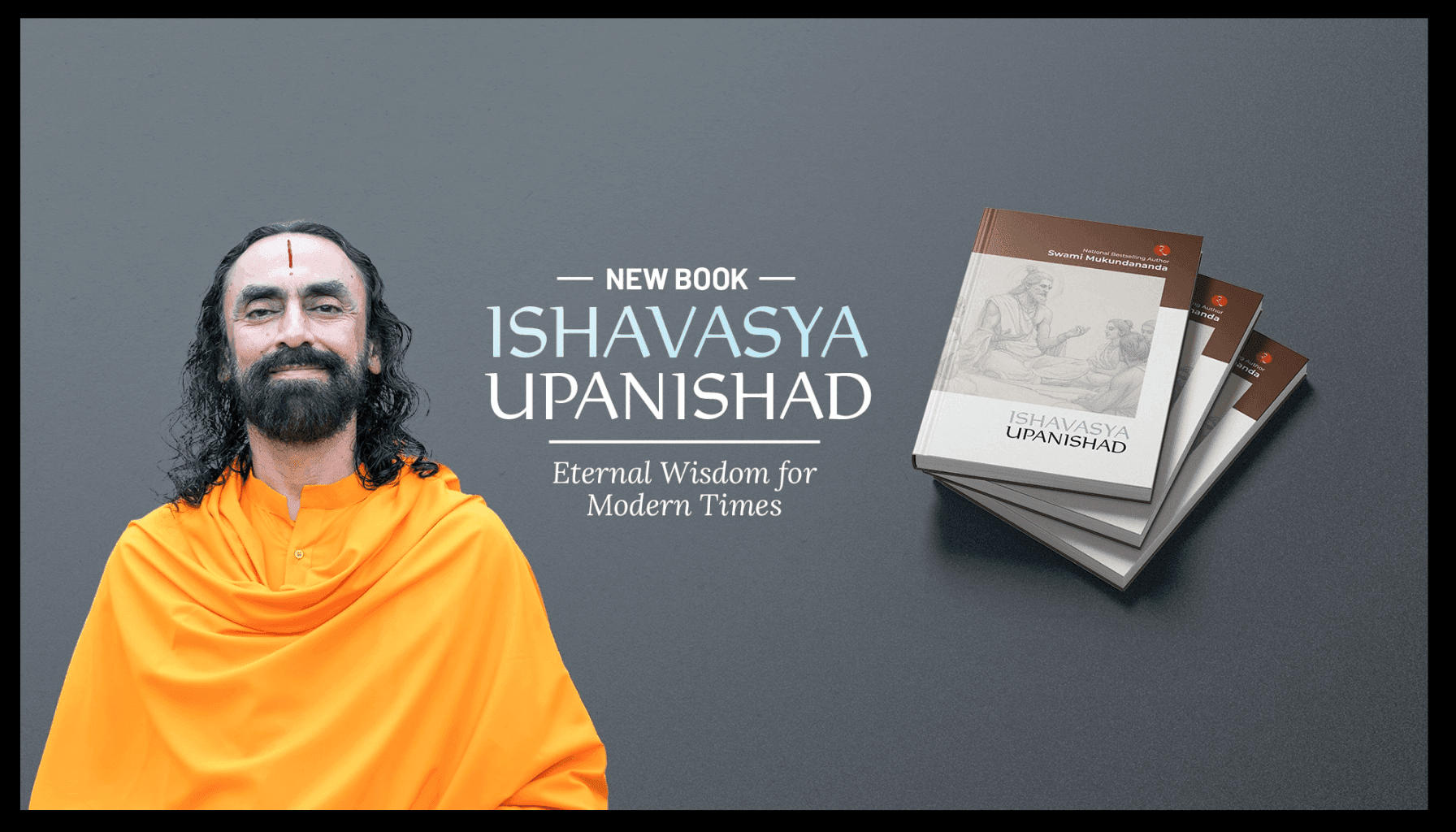
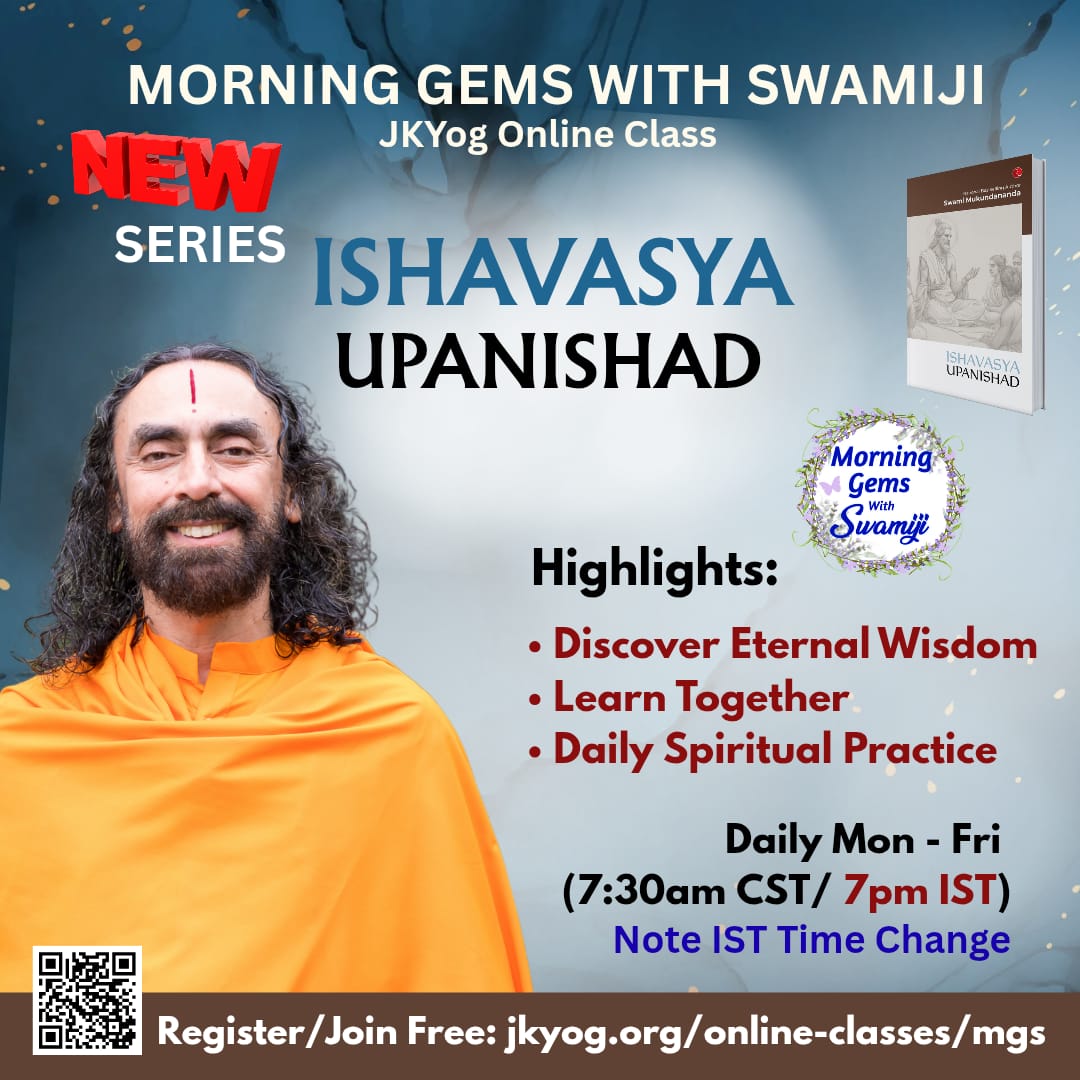
Now that we’ve explored the divine wisdom of the Shanti Path Mantra, it’s time to take the next step on your spiritual journey. To deepen your understanding of the Ishavasya Upanishad, we highly recommend Swami Mukundananda’s commentary, which beautifully unpacks each mantra, including the Shanti Path, providing a clear and practical guide for modern seekers.
Order the Book: Swami Mukundananda’s Commentary
Unlock the deeper wisdom of the Ishavasya Upanishad with this insightful commentary by Swami Mukundananda. Perfect for modern seekers who wish to explore the divine teachings in greater depth.
Conclusion: Embracing the Peace of Divine Completeness
The Shanti Path Mantra offers profound insight into the nature of God, creation, and peace. It teaches us that true peace is not the absence of adversity but the recognition of the divine completeness that permeates all things. Through understanding this mantra, we learn to accept life’s imperfections and challenges with a deeper sense of calm, knowing that they are part of the divine plan.
Let this mantra be a guiding light on your journey to inner peace and spiritual growth. Continue to explore the teachings of the Ishavasya Upanishad, and embrace the wisdom it offers for living a life of harmony and divine completeness.
FAQ — Shanti Path Mantra (Ishavasya Upanishad)
1. What is the main message of the Shanti Path Mantra?
The mantra teaches that God is perfect and complete, and everything in creation is an emanation of that divine completeness. Realizing this brings inner peace.
2. Why does the mantra emphasize “Pūrṇam” (completeness)?
“Pūrṇam” highlights the idea that nothing can diminish God’s infinite nature. Even after creation arises from Him, His perfection remains unchanged.
3. How does this mantra relate to daily life?
It teaches us to see life—its joys, sorrows, and challenges—as part of a divine plan. This perspective cultivates peace, acceptance, and emotional strength.
4. What does “subtracting infinity from infinity still equals infinity” mean spiritually?
It means that no matter how much creation arises from God, His completeness does not reduce. He remains infinite and unaltered.
5. Why are six opulences of God mentioned in the Vishnu Puran?
These opulences—strength, knowledge, beauty, fame, wealth, and renunciation—help us understand the vastness of God’s divine nature. They offer a glimpse into His infinite qualities.
6. How can I apply the Shanti Path Mantra in my daily life?
- Reflect on divine completeness every morning
- Chant the mantra with awareness
- Accept challenges with faith
- Try to see divinity in every person
- Stay calm in difficult situations
7. Is the Shanti Path Mantra only for advanced spiritual seekers?
No. The mantra benefits everyone, regardless of where they are on their spiritual journey.
8. Does chanting the mantra bring peace?
Yes. Chanting with mindfulness harmonizes the mind and helps you connect with your inner completeness, leading to deep inner peace.