Even on the way to the temple, her thoughts are busy. There is an unfinished task at work, a concern about her child, and a message she still needs to answer. Beside her, the family talks about the Diwali celebrations. She listens, hoping that this evening she will find a little time to sit in front of the Lord.
At Radha Krishna Temple, the child reaches for her hand, eager to see the lights. They walk toward the prayer hall, where voices are singing the names of God. Before Shri Radha Krishna, she finally pauses.
For a few moments, she simply looks at Them. Here, she can bring everything she has been carrying. The words of the kirtan reach her, and she begins to sing.
Many of us arrive with such unspoken needs. Some carry the strain of work or worry about children. Others feel the absence of someone whose presence once made every festival complete. Beneath these different experiences is a longing to feel close to God, to remember that we belong to Him.
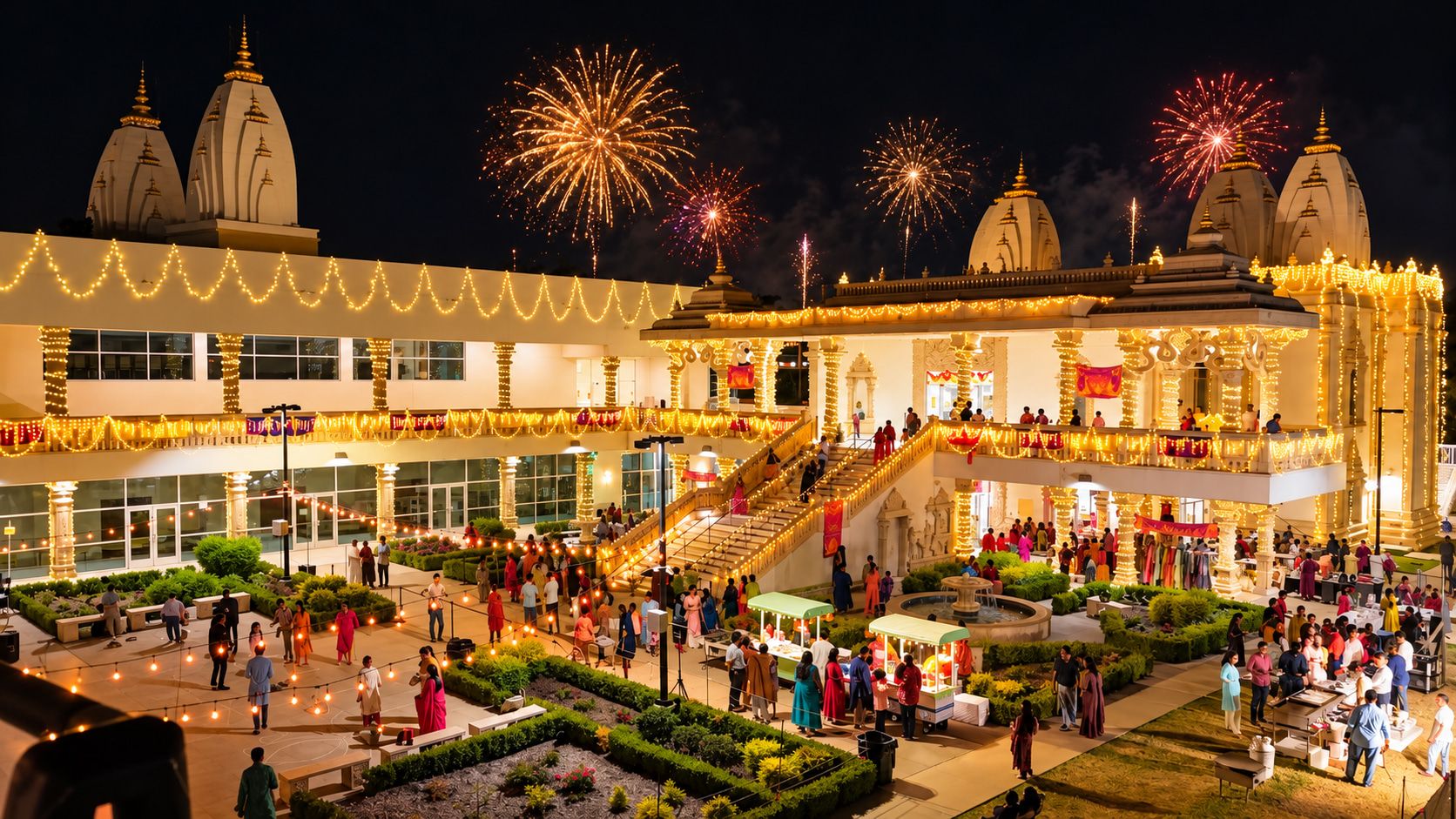
Diwali offers a precious opportunity to answer that longing. At Radha Krishna Temple, families gather to worship, sing, light diyas, and serve. From Dhanteras to Bhai Dooj, each celebration opens a way to approach the Lord with gratitude, trust, and affection. As we participate, the heart finds time for the One it has been longing to remember.

How Traditions Awaken Bhav
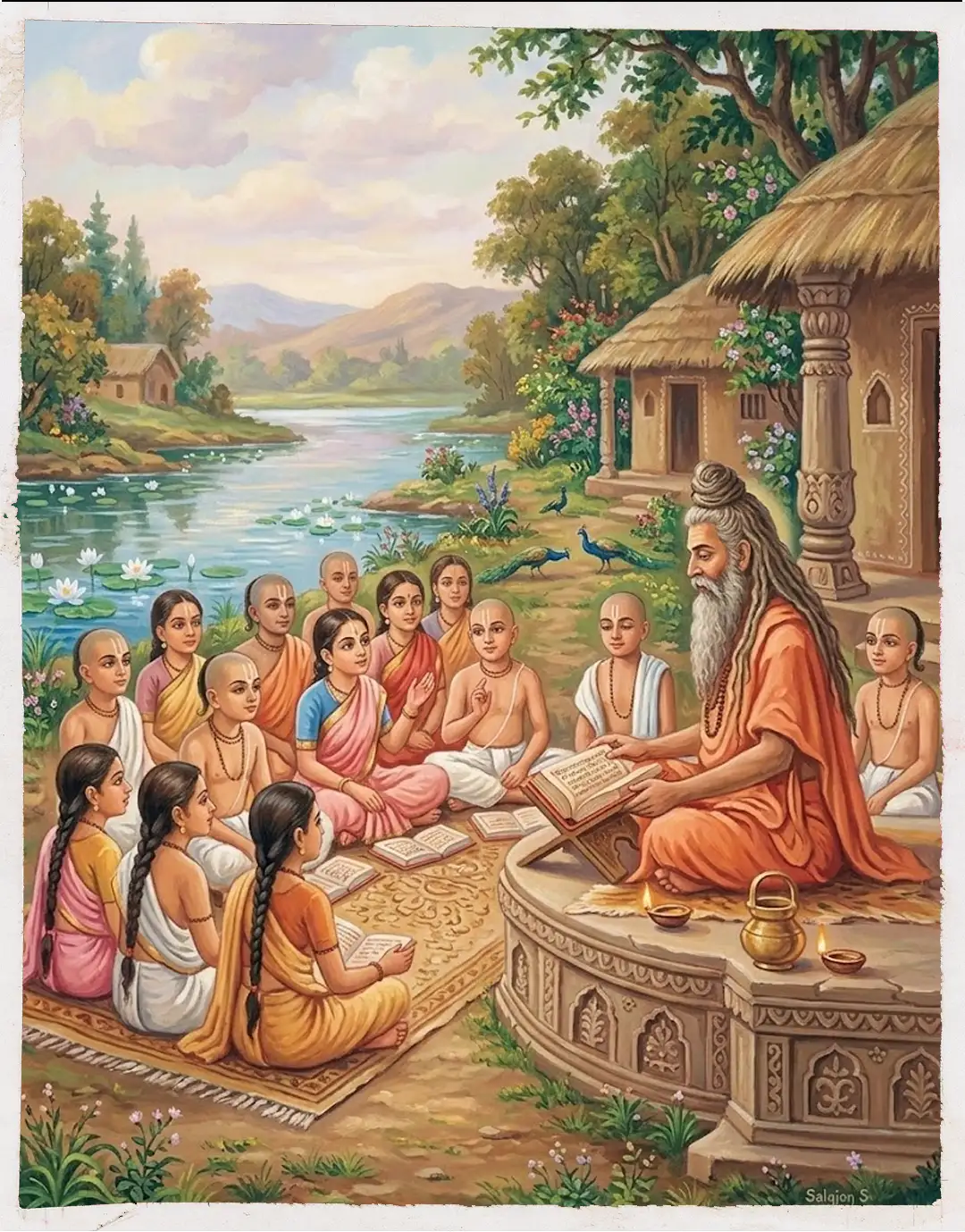
When we love someone, we begin to notice what we can do for them. We remember their preferences, prepare for their arrival, and take pleasure in making an offering they will enjoy. Diwali’s traditions give us ways to bring this loving attention into our relationship with God.
At Radha Krishna Temple, we can participate with that intention. While offering a flower, we look upon the Lord whose altar it will adorn. During aarti, we dwell on His beautiful form. When we join the kirtan, we listen to the names we are singing, remembering that we are calling to Him. Bhav is this loving feeling with which we approach and serve God.
Shri Krishna reveals how dearly He receives such love:
पत्रं पुष्पं फलं तोयं यो मे भक्त्या प्रयच्छति ।
तदहं भक्त्युपहृतमश्नामि प्रयतात्मन: ॥ 26॥
patraṁ puṣhpaṁ phalaṁ toyaṁ yo me bhaktyā prayachchhati
tadahaṁ bhaktyupahṛitam aśhnāmi prayatātmanaḥ
BG 9.26: If one offers to Me with devotion a leaf, a flower, a fruit, or even water, I delightfully partake of that item offered with love by My devotee in pure consciousness.
How reassuring that we can begin with something so simple. We may have little to offer, and our minds may still wander, yet we can bring Him our sincere attention and our willingness to love.
For children, the temple’s workshops and family activities can become a gentle introduction to this relationship. A parent can explain why we light a diya or prepare an offering, then help the child participate. Gradually, a familiar festival custom acquires a personal meaning: I, too, can do something for the Lord.
As we celebrate together, these small acts give our growing devotion a place in the life of the whole family.
Through worship, gratitude, and seva, Dhanteras prepares us to celebrate with a heart conscious of His generosity and eagerness to respond with love.
Dhanteras: Gratitude for What We Have Received

Dhanteras opens the five principal days of Diwali with preparations for prosperity and well-being. Families purchase gold or silver, new utensils, sweets, and decorations. The day also honors Lord Dhanvantari, associated with Ayurveda and healing, reminding us how precious the blessing of health is.
Amid the preparations, Dhanteras and Lakshmi Puja at Radha Krishna Temple offer a moment to pause before Maa Lakshmi. We share our concerns about someone’s health, our family’s needs, and our hopes for the year ahead. With our Divine Mother, we can speak simply, like children trusting that they are heard.
As we bow, memories of her blessings arise: a meal placed before us with affection, a helping hand during a challenging time, strength when we felt we had little left. We linger over these moments, recognizing how much has sustained us.
In his Diwali message, Swami Mukundananda invites us to reflect on what we consider true wealth and to seek spiritual treasures that accompany the soul beyond this life. Alongside our wishes for material well-being, we can seek a grateful heart, generosity, and a deepening love for God. How precious it is to leave the temple with a greater desire to remember Him.
That feeling can accompany our Dhanteras shopping. Before adding another item to our basket, we might remember a household struggling to afford essentials. Could we choose something they urgently need? Groceries, warm clothing, or a useful utensil may ease a burden. Sweets offered with affection and respect can help another family share in Diwali’s happiness. Children can help choose these gifts, discovering with us the joy of making someone feel remembered.

The Dhanteras bhajan jamming brings another opportunity to offer what we have: our voices, our attention, and our love. As the music begins, we listen, recognize a familiar refrain, and join in. Parents and children sing together; someone who arrived preoccupied finds themselves attending to the Lord’s names.
Through worship, giving, and singing, gratitude finds expression. We received so much. Now we experience the happiness of offering something for His pleasure.
Naraka Chaturdashi: Turning toward the Light

Before Diwali, we clean our homes with exceptional care. We reach into corners, clear what has gathered unnoticed, and prepare a welcoming space. In his Diwali message, Swami Mukundananda invites us to bring that same attention to the heart. Is there a grievance we have held on to, an impatience we excuse, or a pride that makes it difficult to acknowledge a mistake?
Naraka Chaturdashi, also known as Choti Diwali, offers an opportunity for this inward preparation. We can reflect on Narakasura’s defeat as a symbol of overcoming the ignorance and selfish tendencies that draw us away from God. Remembering the Lord’s victory, we seek His help with the struggles we recognize within ourselves.
At Radha Krishna Temple, we can stand before Him honestly. We bring the words we wish we had left unspoken, the apology we have postponed, and our sincere desire to grow closer. There is comfort in knowing that we can approach Him while we are still learning. Our longing to please Him can give us courage to begin again.
On Choti Diwali, the lighting of 11,111 diyas gives this preparation a beautiful, shared expression. We bend to light a wick and watch the flame steady. Around us, other families are doing the same, until rows of lamps illuminate the temple grounds.
A parent guides a child’s hand, explaining that this light is an offering to the Lord. For the child, it may become a treasured memory of doing something for Him. For the parent, it is also a moment to pause and remember the meaning of their own offering.
Swamiji explains that light represents knowledge, wisdom, and divine truth. As we offer our diya, we can seek the understanding to recognize what needs to change and the willingness to act upon it. A lamp is lit with a small movement of the hand; its meaning can accompany us into the next conversation, the next difficult moment, the next opportunity to respond with love.
We return home having offered both a flame and a sincere intention: to let the Lord’s wisdom guide us and make our hearts more welcoming to His presence.
Diwali: Welcoming the Lord with Love

Ayodhya had waited fourteen long years for Shri Ram. When He returned, the people illuminated their homes and streets to welcome the One whose absence they had felt so deeply. Every preparation carried the happiness of His homecoming.
In his Diwali message, Swami Mukundananda brings this remembrance close to our own lives. Absorbed in worldly pursuits, we can gradually allow our attention to drift away from God. Diwali invites us to turn toward Him again, welcoming Him into our hearts through loving surrender.
At Radha Krishna Temple, the Diwali Leela gives families an opportunity to enter Shri Ram’s story together. Through the play’s music, dance, and enactment, we watch His divine pastimes unfold. Swamiji explains that the Lord’s leelas give the mind a sacred subject in which to become absorbed. We listen, remember, and begin to feel affection for the One whose story we are following.
A child may ask why Ayodhya was so eager to receive Him. A parent can gently explain that when someone is deeply loved, their presence makes everything feel complete. As adults, we can linger over that feeling ourselves. How eagerly do we make time for the Lord? What would it mean to prepare for His worship with the happiness of welcoming someone dearly loved?
Lakshmi-Ganesh Puja and Diwali worship offer ways to express that welcome. We bring our offerings, join the aarti, and pause for darshan. Amid the festive activity, we can give ourselves time to look upon the Lord, remembering whose presence has drawn us here.
Singing unites us in remembering Him as we listen to His names and join the voices around us. Thoughts that preoccupied us when we arrived may return, but we gently refocus on Him. This, too, is how we welcome Him: patiently offering our minds to Him, again and again.
We may have come seeking relief from a busy day or comfort for a troubled heart. As we participate, another wish can awaken: to give Him joy through our presence, attention, and service.
Then Ayodhya’s welcome begins to find a quiet expression in our own lives. We have made time to be with Him, and we want that closeness to grow.
Govardhan Puja and Annakut: Taking Shelter in Shri Krishna

The storm raged over Braj. Families gathered with their children, elders, and cows, seeking Krishna’s protection. Raising Govardhan Hill, He sheltered them beneath it. They could look upon the face of their beloved Krishna and remain close to Him while the rain fell outside.
In his discourse on Govardhan Leela, Swami Mukundananda draws attention to Indra’s pride and Shri Krishna’s protection of His devotees. Indra’s position and power had fostered an expectation of honour. When that expectation was challenged, anger followed. The leela invites us to recognize how easily our own abilities, achievements, or service can become entangled with a desire for recognition.
Govardhan Puja brings us before Krishna with a gentler understanding: whatever strength we possess is also His gift. We can use it gratefully in service and seek His guidance when pride begins to arise.
At Radha Krishna Temple, Govardhan Puja and Annakut give this devotion a joyful expression. Annakut, meaning a “mountain of food,” brings many preparations together as an offering to Krishna. Behind each dish is someone’s care: ingredients chosen, time set aside, and work undertaken with the thought of pleasing Him.
There is a special happiness in preparing something for the Lord. A familiar recipe becomes an opportunity to remember Him. As the offering takes shape, we think of Him receiving it, and the work becomes personally dear.
Standing before the Annakut, we remember that everything we bring has first been received through His generosity: the grain, vegetables, water, and strength to prepare them. Yet He graciously accepts our offering. Shri Krishna’s assurance in Bhagavad Gita 9.26 becomes especially precious here: even a leaf, a flower, a fruit, or water can be offered with devotion.
After the offering, we receive prasad and share it with others. We have brought something for Him, and now we receive His grace with grateful hands.
The remembrance of Govardhan can accompany us home. Our responsibilities remain, and uncertainties may still trouble us, but we can continue our efforts while turning toward Krishna with trust. Beneath the mountain, the people of Braj had their beloved Lord beside them. Through worship and remembrance, we nurture that same feeling of belonging: we are His, and we can keep seeking His shelter.
Bhai Dooj: Expressing Love through Care and Prayer
A sister places a tilak on her brother’s forehead and offers a sweet. Beneath the familiar ritual is a tender wish: may he be well, may he be protected, may his life be blessed. The brother receives her affection and renews his own commitment to care for her.
Bhai Dooj brings the five principal days of Diwali to a close by honouring this bond. It gives families time to express what everyday familiarity sometimes leaves unspoken: gratitude for having one another.
The devotion nurtured during the temple celebrations can accompany us into these relationships. Having stood before God and received His prasad, we return to people who also need our attention and care. We remember that they, too, are dear to Him. Listening patiently, offering support, and becoming willing to forgive can be ways of honouring that understanding.
For siblings living far apart, a phone call can carry the warmth of the occasion. For someone remembering a sibling who has passed away, the day may hold both affection and sorrow. We can make room for these feelings and gently include those who are missing their families.
Bhai Dooj also invites a loving wish for one another’s spiritual well-being. Alongside health and happiness, we can hope that our loved ones find good company, strength in challenging times, and the comfort of growing closer to God.
The tilak ceremony ends, but the affection it expresses asks something of us throughout the year: to remain available, to care sincerely, and to cherish the relationships entrusted to us.
Celebrating Together at Radha Krishna Temple
A child looks forward to the workshop. A family makes plans to join the puja. Someone volunteers to help prepare the temple for the celebrations. Before the festival begins, there is already the happiness of having something to do for the Lord.
Swami Mukundananda explains that festivals bring joy to a culture and help carry its values from one generation to the next. At Radha Krishna Temple, children can encounter those values through participation: hearing a story, watching the Diwali Leela, joining a bhajan, and learning why their family offers a diya with such care.
Parents have opportunities to share their own affection for God. A child may remember the explanation, but also the way a parent sang, bowed before the altar, or stayed behind to help. These experiences can become part of the child’s relationship with the temple and the Lord.
Adults, too, can find something personally meaningful in these celebrations. We can offer worship with gratitude, become absorbed in the music, or give time to a task that helps others participate. Through these shared experiences, acquaintances become companions in devotion.
Ways to Participate in Diwali Mahotsav
| Celebration or Activity | How Families Can Participate |
|---|---|
| Children’s Workshops and Family Activities | Enjoy stories, crafts, games, and a loving introduction to the festival. |
| Dhanteras and Lakshmi Puja | Gather for worship and express gratitude for the blessings received. |
| Dhanteras Bhajan Jamming and Concert | Join the devotional music and share the joy of singing the Lord’s names. |
| Choti Diwali and 11,111 Diya Lighting | Offer a diya and participate in the temple’s shared celebration of light. |
| Diwali Worship | Participate in Lakshmi-Ganesh Puja, Diwali Maha Puja, and aarti. |
| Diwali Leela | Remember Shri Ram through a staged presentation of music, dance, and drama. |
| Govardhan Puja and Annakut | Join the worship and behold the food offerings lovingly prepared for Krishna. |
| Bhai Dooj | Honour the occasion with affection and prayers for loved ones. |
| Open Stage | Share a talent individually or with a group, following the registration guidelines. |
| Food Festival, Vendor Booths, and Fireworks | Enjoy festive food, browse the stalls, and share the celebrations with family and friends. |
| Volunteer Seva | Help with decorations, welcoming visitors, food service, and other arrangements. |
Choose the activities your family would enjoy and leave time for darshan and worship. There is happiness in the festivities, and a special sweetness in remembering that we have gathered at the Lord’s home to celebrate for His pleasure.
A Welcome That Continues Beyond Diwali
Before leaving Radha Krishna Temple, the family pauses for one more darshan. The child holds the prasad carefully. The mother looks toward Shri Radha Krishna. Her concerns remain, but she has found time to be with Them, and she longs to keep that closeness.
Swami Mukundananda explains that the devotion renewed at the temple can accompany us into everyday life. In Bhagavad Gita 9.27, Shri Krishna invites us to offer Him whatever we do, eat, give, or undertake as spiritual discipline.
Tomorrow’s meal, work, and care for our families become opportunities to remember Him. We can prepare food for His pleasure, fulfil a responsibility sincerely, or serve someone with the awareness that they are dear to Him. When we forget, we can gently turn toward Him again.
The child reaches for the mother’s hand, and they walk toward home. She carries a quiet intention: to remember the Lord amid the life that awaits her, and to return for darshan and seva.
The lamps will eventually be put away. The loving welcome they expressed can continue, each day we make time for Him.
Key Takeaways
- Welcome the Lord with love. Diwali invites us to turn toward Him with Ayodhya’s eagerness to receive Shri Ram.
- Let traditions nurture bhav. Worship, workshops, and Diwali Leela help families participate with understanding and affection.
- Receive gratefully and share generously. Dhanteras worship, thoughtful giving, and bhajan jamming turn gratitude into loving offerings.
- Offer light and an intention to grow. Choti Diwali’s 11,111 diyas invite us to seek divine wisdom and soften pride, resentment, and impatience.
- Remember that we belong to Krishna. Govardhan Puja and Annakut nurture humility, loving service, and trust in His shelter.
- Carry devotion home. Offer everyday work, meals, and care for others to God, keeping the joy of His remembrance alive.
Frequently Asked Questions
- What are the five principal days of Diwali?
They are Dhanteras, Naraka Chaturdashi or Choti Diwali, Diwali, Govardhan Puja and Annakut, and Bhai Dooj. Traditions vary among regions and families.
2. How can celebrating at Radha Krishna Temple deepen our bhakti?
Worship, singing, and seva give us time to remember God and offer something for His pleasure. Celebrating together also helps children develop an affectionate connection with Him.
3. What makes Dhanteras at the temple special?
Lakshmi Puja and bhajan jamming bring families together in gratitude and joyful remembrance. The occasion also invites us to share our blessings and seek the lasting wealth of devotion.
4. When are the 11,111 diyas lit?
The diya lighting takes place during Choti Diwali. Families can offer a lamp with love and participate in the shared celebration. Visit the temple’s event page for timings and participation details.
5. How does watching Diwali Leela nurture devotion?
The Lord’s divine pastimes give the mind something sacred to dwell upon. Watching Shri Ram’s story through music, dance, and drama helps families remember Him with understanding and affection.
6. What is the significance of Govardhan Puja and Annakut?
The celebration recalls Krishna’s protection of Braj and the humbling of Indra’s pride. Preparing and offering food expresses gratitude, loving service, and trust in Krishna’s shelter.
7. Where can families find registration and seva details?
Visit the Diwali Mahotsav event page for current arrangements, registrations, tickets, and volunteer opportunities.
Come Celebrate Diwali at Radha Krishna Temple
Bring your family and join in celebrations filled with worship, music, and opportunities to serve:
· Dhanteras Lakshmi Puja and bhajan jamming: Offer gratitude and sing the Lord’s names together.
· Choti Diwali and 11,111 diya lighting: Offer a lamp with love and share in the temple’s radiant celebration.
· Diwali puja and aarti: Gather in reverence and welcome the Lord with devotion.
· Diwali Leela: Experience Shri Ram’s story through music, dance, and drama.
· Special satsang with Swami Mukundananda: Reflect on the festival’s deeper spiritual meaning.
· Govardhan Puja and Annakut: Remember Krishna’s shelter and behold the food offerings lovingly prepared for Him.
· Children’s workshops and family activities: Introduce young hearts to Diwali through stories, crafts, and shared experiences.
· Open Stage, festive food, and fireworks: Enjoy the celebrations with family and friends.
· Volunteer seva: Help with preparations, welcome visitors, or assist with food service.
Come with your gratitude, your hopes, and whatever your heart is carrying. Make time for His darshan and the happiness of doing something for Him.