
Introduction: More Than Lights and Diyas
Every year, as autumn arrives, millions of homes around the world glow with oil lamps, candles, and dazzling lights. Streets come alive with colors, sweets are exchanged, and families reunite. This is Diwali, the Festival of Lights — one of the most celebrated festivals in Hindu culture.
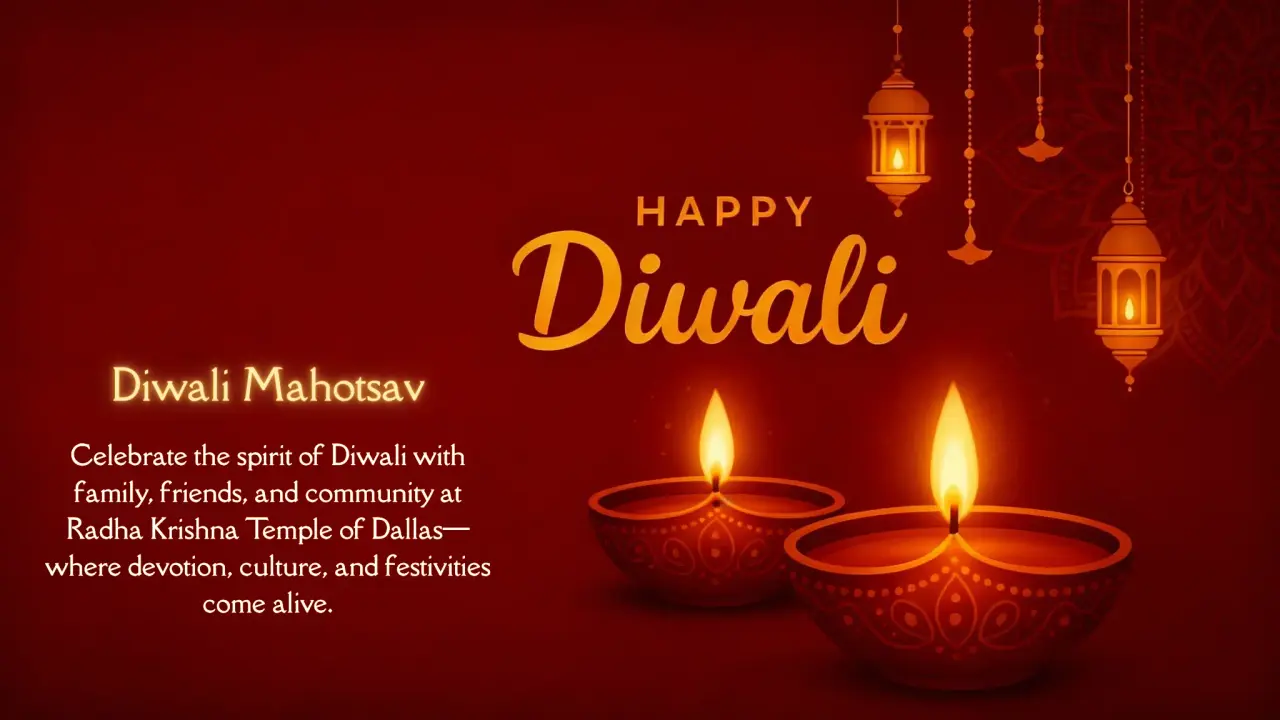
But behind the sparkle lies a deeper truth — a message that reaches beyond rituals and festivities. Diwali is not merely a cultural event; it is a spiritual awakening, a celebration of the victory of light over darkness, good over evil, and knowledge over ignorance.
As we prepare for Diwali 2025, let’s look beyond decorations and fireworks. Let’s explore why this festival holds such deep spiritual significance and how its timeless message continues to illuminate our hearts and minds.
The Meaning of Diwali

The word Diwali comes from Deepawali which has two Sanskrit words:
- Deepa (दीप) — lamp or light
- Avali (आवली) — a row or series
Thus, Diwali literally means “a row of lamps.”
Lighting these lamps is not just a symbolic act — it represents lighting the lamp of the soul, removing the inner darkness that clouds wisdom and peace. In scriptures, light stands for divine consciousness, while darkness symbolizes ignorance (avidya).
When we light a lamp, it’s a reminder that even a small flame can destroy vast darkness — just as a spark of divine wisdom can dispel lifetimes of ignorance.
The Many Stories Behind Diwali
Different regions of India associate Diwali with different divine events. Each story holds a profound spiritual lesson that guides humanity toward inner purity, discipline, and devotion.
1. The Return of Lord Ram

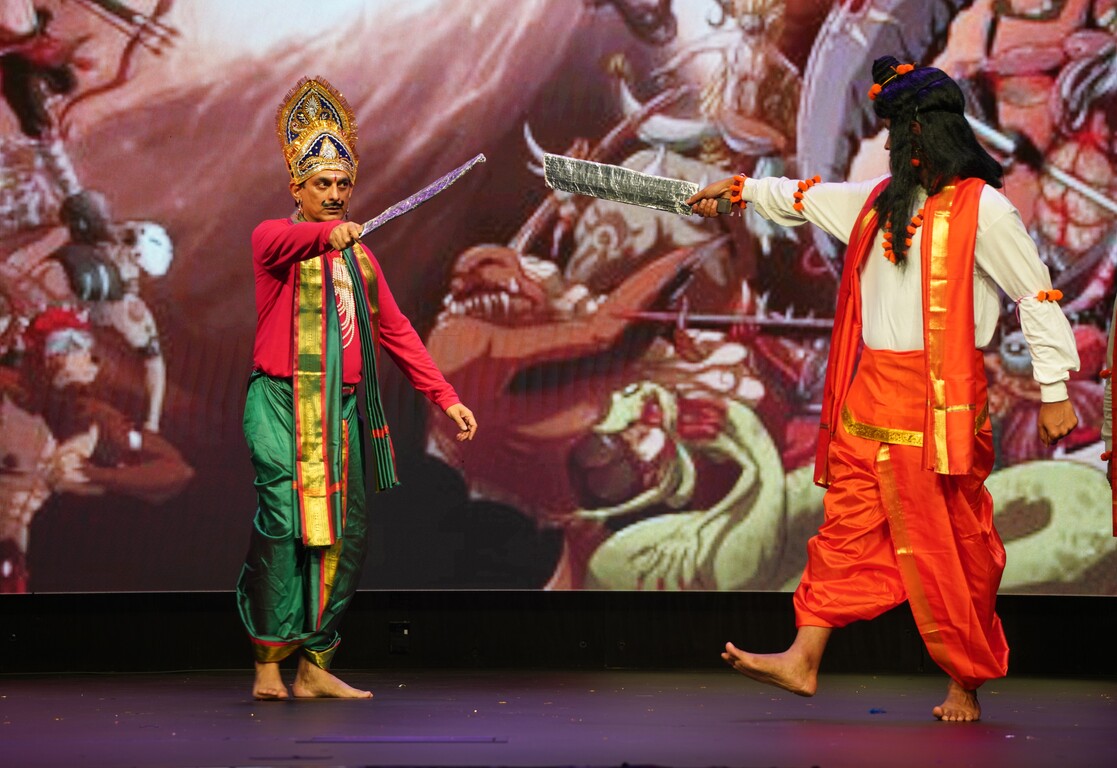
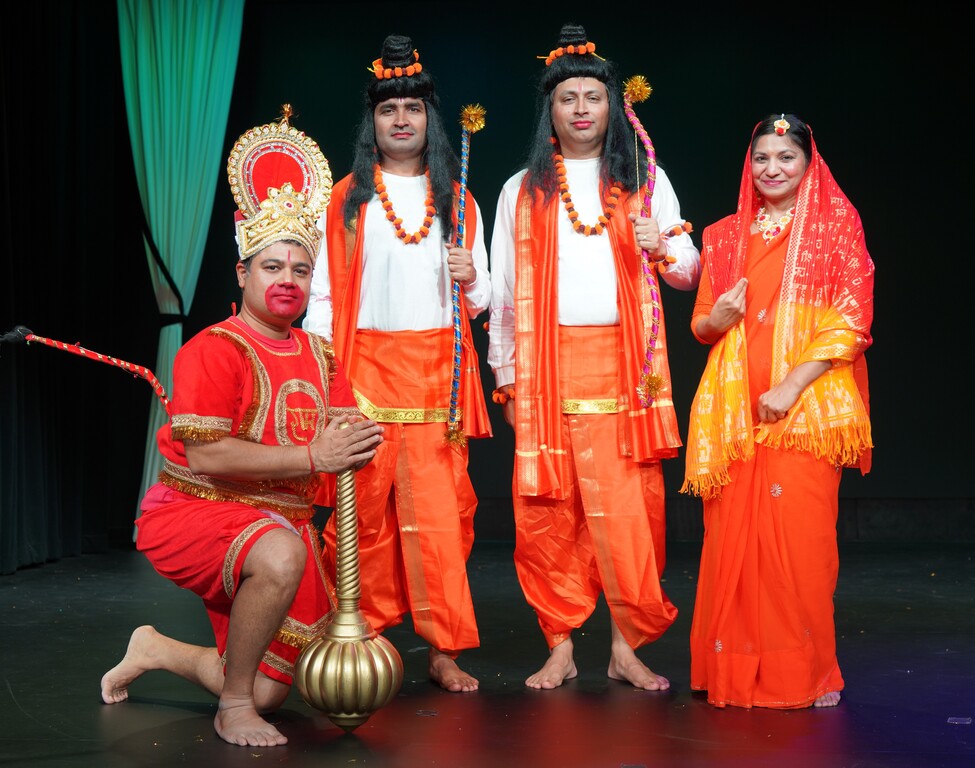
In North India, Diwali marks the return of Lord Ram to Ayodhya after defeating the demon king Ravana. The people welcomed Him, Sita, and Lakshmana by lighting rows of lamps.
Spiritual Meaning:
Ram represents dharma — righteousness. Ravana symbolizes the ego that blinds us. Lighting lamps celebrates the victory of righteousness over arrogance.
Diwali thus reminds us to let Lord Ram — the symbol of truth and virtue — rule our hearts.
When inner Ram is enthroned within, peace naturally prevails.
2. The Victory of Lord Krishna Over Narakasura
In South India, Diwali commemorates Lord Krishna’s victory over the demon Narakasura, who had imprisoned thousands of innocent souls.
Spiritual Meaning:
Krishna’s victory represents the liberation of the soul from the bondage of desires and ignorance. The Naraka (hell) that binds us is not external — it’s within. Our greed, anger, and ego form the prison walls.
When we destroy the Narakasura within, we awaken to divine bliss — true Diwali dawns in our hearts.
3. The Return of Pandavas
In some traditions, Diwali also marks the return of the Pandavas from their 12-year exile. The villagers welcomed them with joy and lamps.
Spiritual Meaning:
This story teaches faith in divine justice. Even long periods of struggle are part of the cosmic plan — every exile ends when the light of truth returns.
4. The Birth of Goddess Lakshmi

Another legend says Goddess Lakshmi, the goddess of wealth and prosperity, appeared from the churning of the cosmic ocean (Samudra Manthan) on this day.
Spiritual Meaning:
Lakshmi represents inner abundance — virtues like love, gratitude, and selflessness. True wealth isn’t measured by money but by purity of heart and peace of mind.
When the mind is churned through sincere effort and devotion, divine qualities emerge from within, just like Lakshmi arose from the ocean.
The Spiritual Essence of Light

Every lamp lit on Diwali carries a spiritual meaning.
Light is not just physical illumination — it’s a reminder of the divine light within.
When we light diyas, we declare:
“Let my mind be purified, let ignorance be destroyed, let my soul awaken to truth.”
This act represents the journey from outer celebration to inner transformation.
Five Lamps We Must Light
- The Lamp of Faith — to trust in divine will, even in challenges.
- The Lamp of Knowledge — to seek truth through scriptures and saints.
- The Lamp of Devotion — to offer every action as worship.
- The Lamp of Compassion — to serve others selflessly.
- The Lamp of Detachment — to stay anchored in peace amidst success or failure.
When these five lamps burn bright within, Diwali becomes a year-round festival in our heart.
Cleaning and Purification: Symbol of Inner Cleansing
Before Diwali, families clean and decorate their homes. Dust is removed, old items discarded, and spaces refreshed.
Spiritually, this act represents cleaning the mind — removing jealousy, resentment, and pride that gather like dust over time.
Just as a mirror reflects light clearly only when clean, our heart can reflect divine joy only when it’s free from impurities.
So, as we sweep our homes, we should also sweep away negative thoughts, polish our virtues, and prepare our hearts to welcome divine grace.
Lakshmi Puja: Inviting Prosperity with Purity
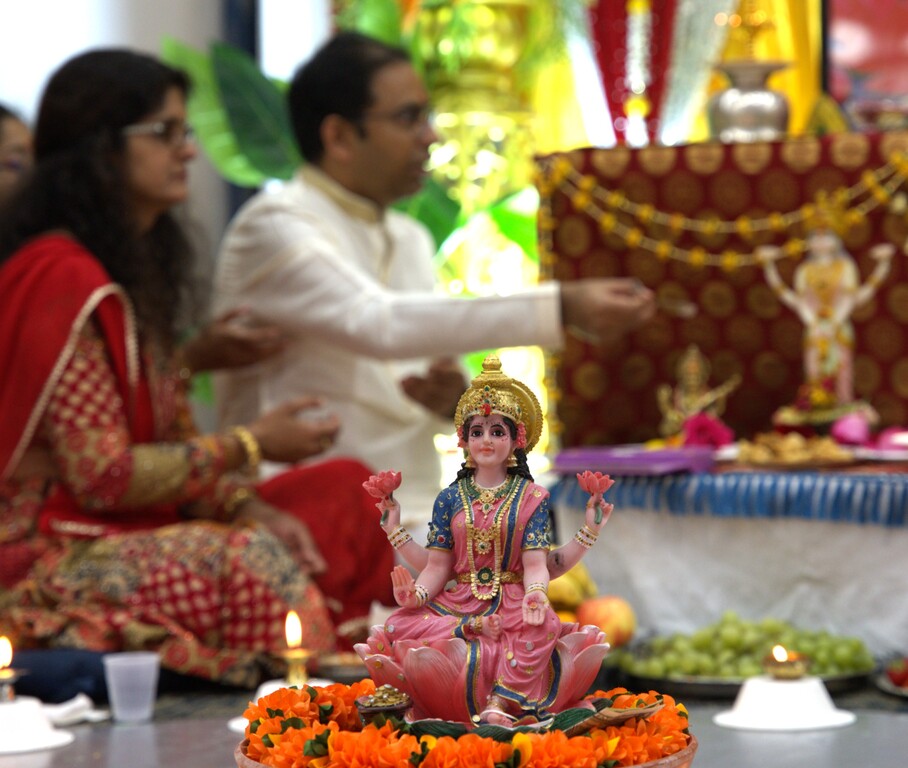
On the main night of Diwali, devotees perform Lakshmi Puja, welcoming the goddess of prosperity into their homes.
However, Lakshmi resides not just where wealth exists, but where purity, humility, and discipline dwell.
Scriptures describe two kinds of wealth:
- Material wealth (Aishwarya) — necessary for living.
- Spiritual wealth (Shanti) — necessary for peace.
When we use material wealth with gratitude and service, it transforms into spiritual merit.
Thus, true Lakshmi Puja means aligning our actions with dharma, using every resource for a noble purpose.
Fireworks: Symbolism of Igniting the Spirit

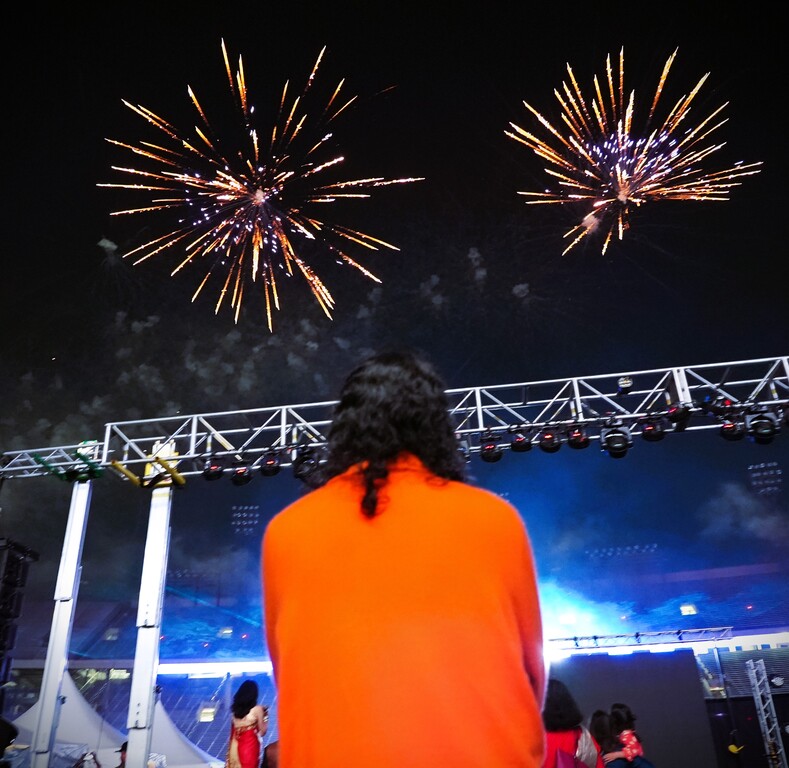
Fireworks are a colorful part of Diwali celebrations. Spiritually, they signify the bursting of ignorance and the awakening of divine energy within.
Just as fireworks brighten the night sky, divine wisdom brightens the mind. However, the real “crackers” we must burst are anger, greed, lust, pride, and envy.
Each spark that rises upward reminds us that the goal of human life is elevation — rising from the lower tendencies toward the divine.
The Night of New Moon: Light Amid Darkness
Diwali falls on the new moon (Amavasya) night — the darkest night of the year. Yet it is celebrated as the brightest festival.
This paradox holds deep symbolism:
Even in our darkest moments, divine light never leaves us.
The absence of moonlight represents the mind — when ego and desires dominate, darkness prevails. Lighting diyas means rekindling divine remembrance, allowing God’s light to fill the void.
When we light even one diya in the night, we proclaim that faith will always conquer fear. 🕯️
Diwali and the Inner Battle
The real battle of Diwali is not fought outside — it’s within.
Each person carries both Ram and Ravana within.
- Ram represents wisdom, restraint, and devotion.
- Ravana represents ego, arrogance, and uncontrolled desire.
Diwali reminds us to let Lord Ram — the divine consciousness — conquer Ravana within.
When our inner Ram triumphs, our life becomes radiant.
Five Days of Diwali: The Journey Within
Diwali is not just one night — it’s a five-day festival, each day carrying symbolic and spiritual importance.
1. Dhanteras (Wealth and Health)
The festival begins with Dhanteras, when people buy gold or new utensils for good fortune.
Spiritual Insight:
This day is dedicated to Dhanvantari, the divine physician. It symbolizes valuing health and purity over material possessions. True “wealth” is a pure mind and body.
2. Naraka Chaturdashi (Victory Over Evil)
Celebrated on the next day, it signifies Krishna’s victory over Narakasura.
Spiritual Insight:
It’s the day to conquer laziness, ego, and darkness within. Just as we cleanse our homes, we must purify our inner world.
3. Diwali (Main Festival of Lights)
This is the central day when diyas are lit, Lakshmi is worshiped, and homes shine bright.
Spiritual Insight:
Light symbolizes divine presence. Lighting lamps within the temple of the heart allows peace and joy to enter.
4. Govardhan Puja (Devotion and Protection)
The next day marks Krishna lifting the Govardhan Hill to protect His devotees from Indra’s wrath.
Spiritual Insight:
It teaches faith in divine protection and the importance of surrender. When we take refuge in God, He carries our burdens like Krishna lifted the hill.
5. Bhai Dooj (Bond of Love)
The final day celebrates the sacred bond between brothers and sisters.
Spiritual Insight:
It reminds us that relationships are divine gifts. When based on respect and service, they become pathways to God.
Symbolism of Diyas: A Light for Every Aspect of Life
Each diya we light holds meaning:
| Lamp | Symbolizes | Inner Message |
|---|---|---|
| Lamp at the Door | Welcoming divine grace | Keep the heart open and kind |
| Lamp in the Temple | Worship | Make every action an offering |
| Lamp in the Kitchen | Gratitude | Be thankful for nourishment |
| Lamp in the Balcony | Spreading Light | Share knowledge and positivity |
| Lamp in the Heart | Self-illumination | Meditate and seek God within |
When all lamps are lit, darkness has no chance.
The Inner Lakshmi: Cultivating Spiritual Prosperity
Goddess Lakshmi represents much more than wealth. She embodies:
- Purity (Sattva)
- Peace (Shanti)
- Generosity (Daya)
- Righteousness (Dharma)
Her four hands symbolize Dharma (righteous action), Artha (prosperity), Kama (pure desires), and Moksha (liberation) — the four goals of life (Purusharthas).
To welcome Lakshmi means to align our lives with divine virtues. Without discipline and purity, wealth brings anxiety, not peace.
A clean home may attract light, but only a clean heart attracts divine grace.
Rituals with Meaning: Why We Do What We Do
- Lighting lamps — to remove inner ignorance.
- Bursting crackers — to destroy ego and laziness.
- Sharing sweets — to cultivate joy and love.
- Decorating the home — to invite positivity.
- Charity (Daan) — to express gratitude for what we have.
When these acts are done mindfully, they become sadhana — spiritual practice.
The Deeper Message: From Darkness to Divinity
The beauty of Diwali lies in its universal symbolism. It is not confined to religion, region, or language.
It tells every soul:
“Awaken your inner light. You are divine.”
In the Bhagavad Gita, Lord Krishna says:
“But for those whose ignorance is destroyed by divine knowledge, the Supreme Entity is revealed, just as the sun illumines everything when it rises.” (BG 5.16)
This verse perfectly summarizes the spiritual goal of Diwali — to illuminate our inner world with divine knowledge.
How to Celebrate Diwali Spiritually in 2025

- Begin with gratitude — thank God for every blessing.
- Perform Lakshmi Puja with sincerity, not formality.
- Meditate on the divine light within.
- Forgive those who hurt you — clear karmic debts.
- Serve others — light someone else’s life.
- Read from the Gita or Ramayana — purify the mind.
- Avoid excess — let moderation be your mantra.
- Pray for the world’s peace — make your joy global.
By doing so, Diwali becomes not just a day — but a transformation of consciousness.
Beyond Rituals: The Spiritual Glow
True celebration lies not in external lights but in lighting the heart with wisdom.
A lamp flickers only for a moment; divine realization shines forever.
Diwali reminds us to stay alert — to not let our light fade with the passing of festivities. The real challenge is to live in light daily — through humility, patience, and love.
Every thought can be a diya, every word a prayer, every act a service.
The Global Message of Diwali
Today, Diwali is celebrated across the world — from India to the U.S., from temples to corporate offices. But its essence transcends cultural boundaries.
It teaches unity, positivity, and renewal. Whether we call it Diwali, Deepavali, or Festival of Lights, the message remains the same:
“Let there be light — within and without.”
In a world filled with anxiety, comparison, and material rush, Diwali brings a pause — a reminder that joy lies not in possessions but in purity.
Final Thoughts: Light, Love, and the Teachings of Swami Mukundananda
Jagadguru Shree Kripaluji Maharaj beautifully said:
“The soul is divine but covered by the darkness of ignorance. Light the lamp of knowledge, and you shall see your true self.”
Swami Mukundananda expands on this by teaching that Diwali is a time to shift from external illumination to inner realization. The real “festival of lights” begins when we:
- Light the lamp of bhakti (devotion) in the heart.
- Burn the darkness of ego through humility.
- Spread the light of love through selfless service.
He says:
“Every diya you light is a prayer to remove one weakness within you. When you light hundreds of diyas with this intention, your entire being starts to shine.”
As we celebrate Diwali 2025, let’s make it more than a ritual. Let’s make it a resolution — to awaken the divine within.
May every lamp we light remind us that we are sparks of the infinite light — the light of God Himself.
Call to Action
This Diwali, light not just your home but your heart. Reflect on the deeper meaning behind each diya — as Swami Mukundananda teaches, let every light represent a virtue you wish to awaken within. Join in seva, spread joy, and let divine love illuminate your life and the lives of others.
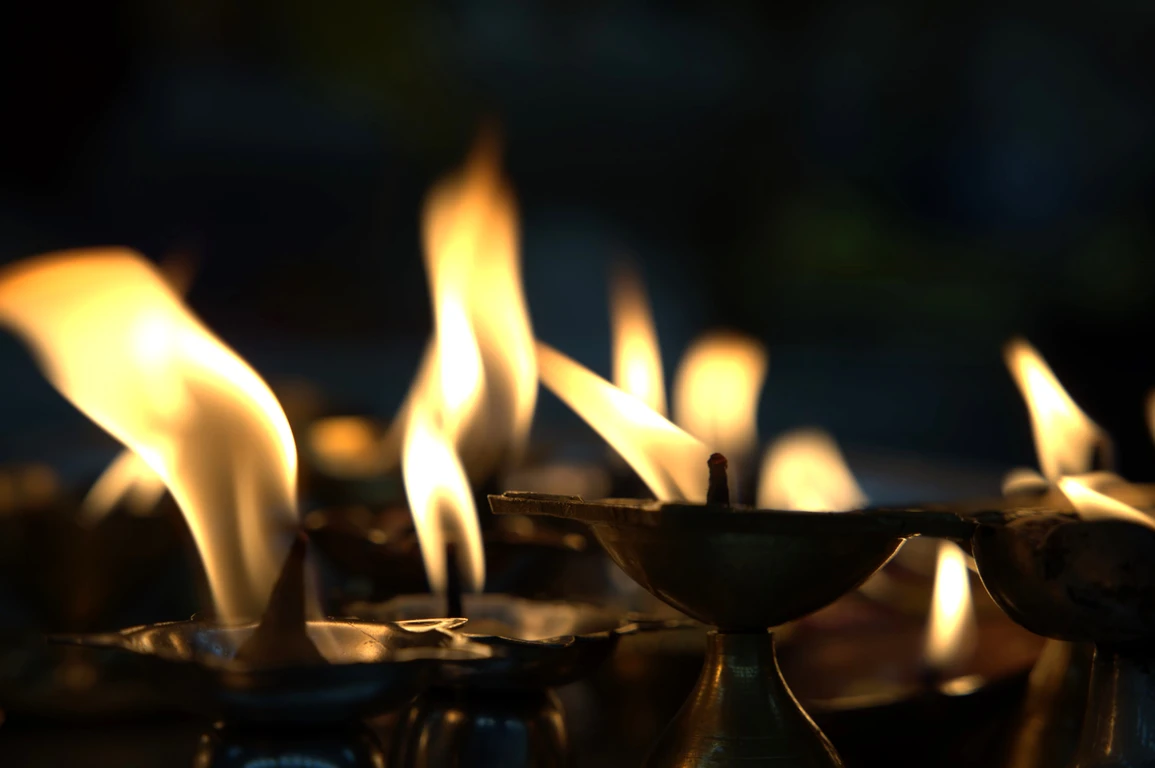
Diwali Mahotsav 2025 at Radha Krishna Temple of Dallas
A Celebration of Lights, Devotion & Festivities
October 17–21, 2025
Special Events: 24-Hour Akhand Ramayan Paath (Oct 11) | Govardhan Pooja (Oct 21)

💡 Click to light a diya
“Diwali is not just about external lights, but about lighting the lamp of knowledge within our hearts.”
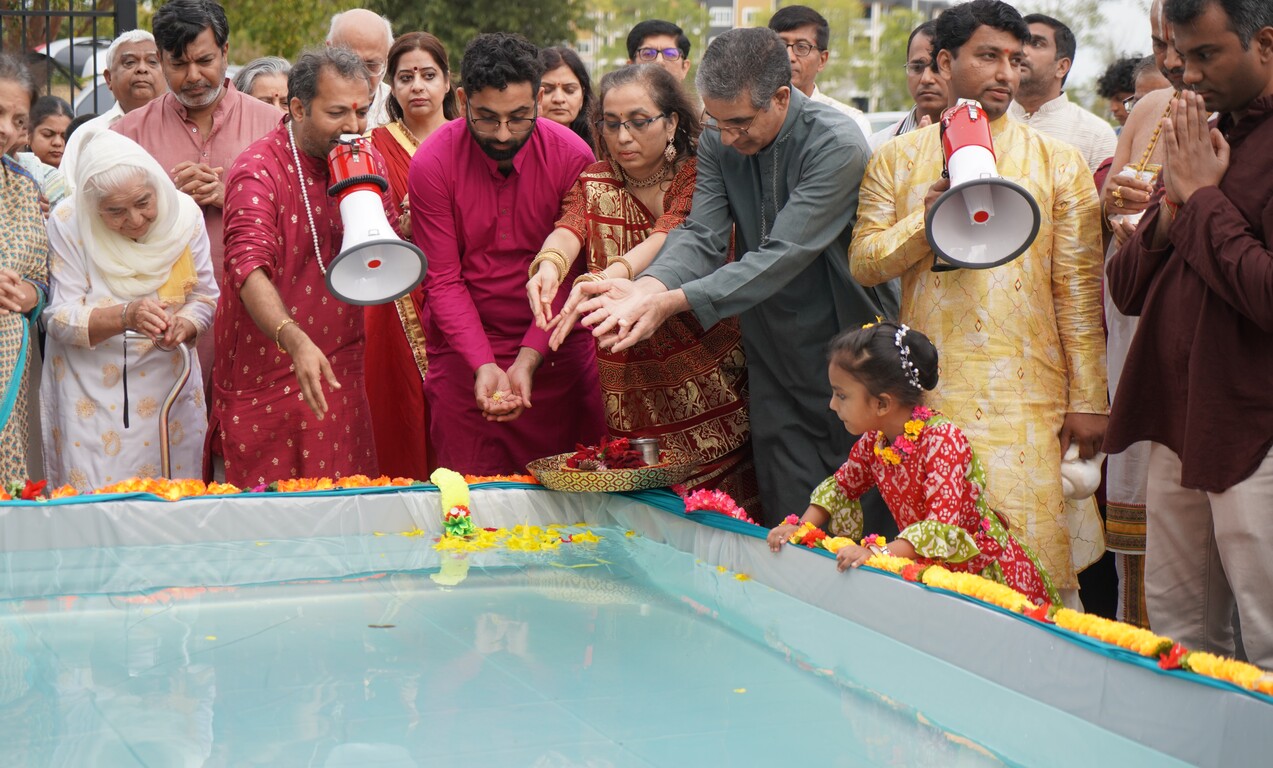


🚫 No outside fireworks allowed. Only authorized fireworks are permitted.
📚 References
- Bhagavad Gita, Chapters 5 and 18 – Teachings on divine light and knowledge.
- Ramayana – The return of Lord Ram to Ayodhya, symbolizing the triumph of righteousness.
- Srimad Bhagavatam – The story of Lord Krishna and Narakasura, illustrating liberation from inner darkness.
- Skanda Purana and Padma Purana – Origins of Lakshmi Puja and Samudra Manthan.
- Swami Mukundananda. 7 Divine Laws to Awaken Your Best Self – Teachings on self-purification and devotion.
- Jagadguru Shree Kripaluji Maharaj’s discourses on the light of divine knowledge.
- JKYog Official Teachings – Lectures on the spiritual essence of Diwali and inner transformation.
❓ FAQs
1. When is Diwali in 2025?
Diwali (Diwali) will be celebrated on Monday, October 20, 2025. The festival spans five days, with the main Lakshmi Puja observed on this date.
2. Why is Diwali called the Festival of Lights?
Because it symbolizes the victory of light over darkness — both in the world and within us. Lighting diyas represents awakening divine wisdom that removes ignorance and negativity.
3. What is the spiritual message of Diwali?
It teaches that true light comes from within. By purifying the heart, conquering ego, and practicing devotion, we awaken divine consciousness and lasting peace.
4. What does Goddess Lakshmi represent during Diwali?
She symbolizes purity, prosperity, and divine grace. Worshiping her reminds us that true wealth is spiritual — found in gratitude, discipline, and love.
5. How does Swami Mukundananda explain the significance of Diwali?
Swamiji teaches that every diya we light should symbolize removing one weakness within. Diwali is the time to cleanse the mind, awaken bhakti (devotion), and let our soul shine with divine light.