“When the light of knowledge dawns within, the darkness of ignorance disappears — this is the real Diwali.” — Swami Mukundananda
Introduction: The Festival of Divine Illumination
Diwali, or Deepavali, is among the most sacred and joyous festivals in India. Falling on the new-moon day (Amavasya) of Kartik month—usually in October or November—it symbolizes the victory of light over darkness, good over evil, and knowledge over ignorance.
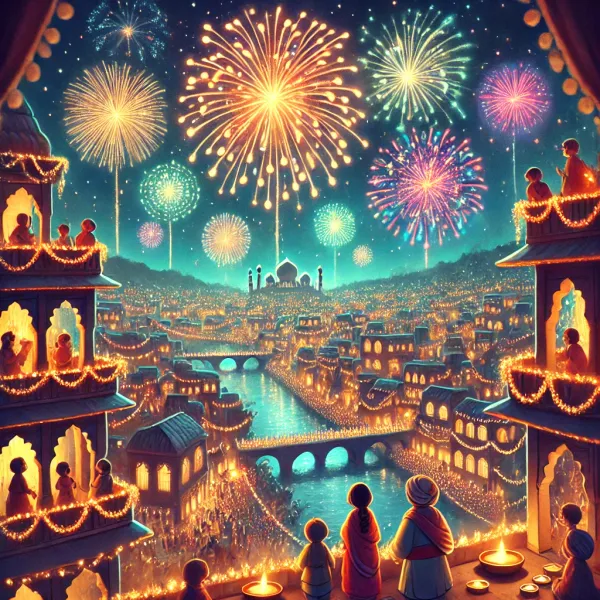
Homes across India glow with rows of clay lamps (diyas), colorful rangolis, and sweet aromas. Yet, beyond the celebration lies a deeper message—one of spiritual renewal and inner illumination.
Swami Mukundananda reminds us:
“When we clean our homes for Diwali, let us also purify the inner home—the heart. Only when it is pure and luminous can the Divine truly reside within.”
Before the grand night of Diwali, families thoroughly clean and decorate their homes. This outward cleansing mirrors an inner process—the cleansing of impurities such as anger, greed, jealousy, and pride.

Five Days of Spiritual Transformation
Each day of the five-day Diwali celebration holds profound inner meaning:
| Date | Day | Outer Ritual | Inner Reflection |
|---|---|---|---|
| October 17, 2025 | Dhanteras | Buying gold, new items | Awaken gratitude and readiness for grace |
| October 18, 2025 | Naraka Chaturdashi / Choti Diwali | Early oil bath, lighting diyas, bursting crackers | Destroy inner vices—anger, ego, greed |
| October 19, 2025 | Diwali | Worship of Lakshmi and Ganesha, lighting diyas | Invite divine prosperity and purity |
| October 21, 2025 | Govardhan Puja | Offering food to Lord Krishna, worshiping cows | Express humility and gratitude |
| October 22, 2025 | Bhai Dooj | Bond between siblings, applying tilak, exchanging gifts | Practice love and harmony in relationships |
“Outer rituals hold meaning only when the heart is filled with bhakti.” — Swami Mukundananda
The Divine Worship: Ganesha and Lakshmi
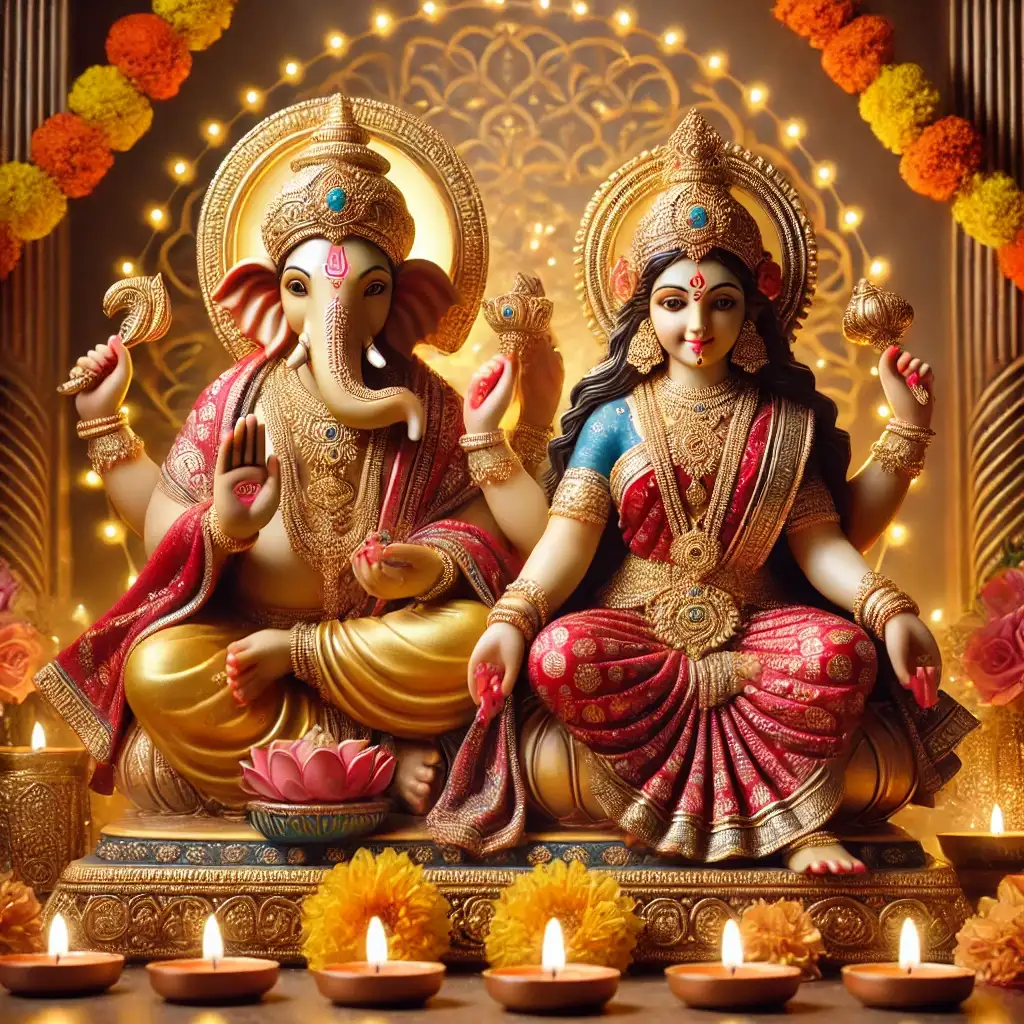
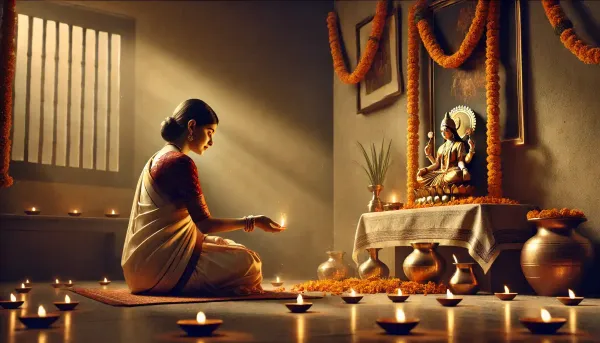
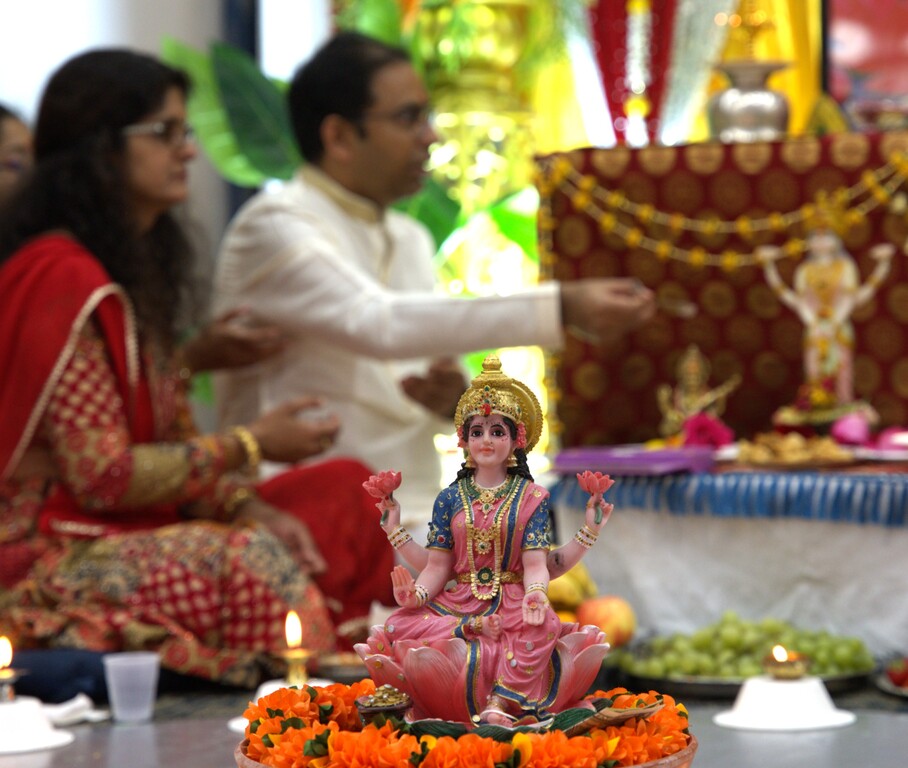
The Diwali evening begins with worship of Lord Ganesha—the remover of obstacles—and Goddess Lakshmi, the embodiment of purity, wealth, and prosperity.
“Lakshmi resides where there is purity, devotion, and gratitude. True worship of Lakshmi is not through gold or wealth, but through the purity of our intentions.”
During the Lakshmi Puja, devotees light diyas in every corner of their home, symbolizing the dispelling of darkness.
The Inner Significance of Diwali
Diwali literally means a row of lights. But its deeper radiance lies in the illumination of our hearts and minds.
Swami Mukundananda beautifully explains:
“We light lamps outside, but the true Diwali begins when we light the lamp of devotion within. When that lamp burns steadily, the darkness of anger, greed, and pride disappears.”
Jagadguru Shri Kripalu Ji Maharaj adds:
“When God’s light enters the heart, the darkness of Māyā cannot remain. Then every day becomes Diwali.”
Spiritual Reflection from the Bhagavad Gita
The Bhagavad Gita speaks repeatedly about the transformation from darkness to light—ignorance to wisdom.
Sanskrit Verse:
“तमसो मा ज्योतिर्गमय” — Tamaso mā jyotir gamaya
Translation: “From darkness lead me to light.”
This profound prayer from the Bṛhadāraṇyaka Upaniṣad finds resonance throughout the Gita.
In Bhagavad Gita 10.11, Shree Krishna declares:
“Out of compassion for them, I, who dwell within their hearts, destroy the darkness born of ignorance, with the luminous lamp of knowledge.”
Here, God Himself becomes the lamp of wisdom, guiding the devotee’s consciousness toward illumination.
Stories of Light and Insight
The Balloons of Happiness
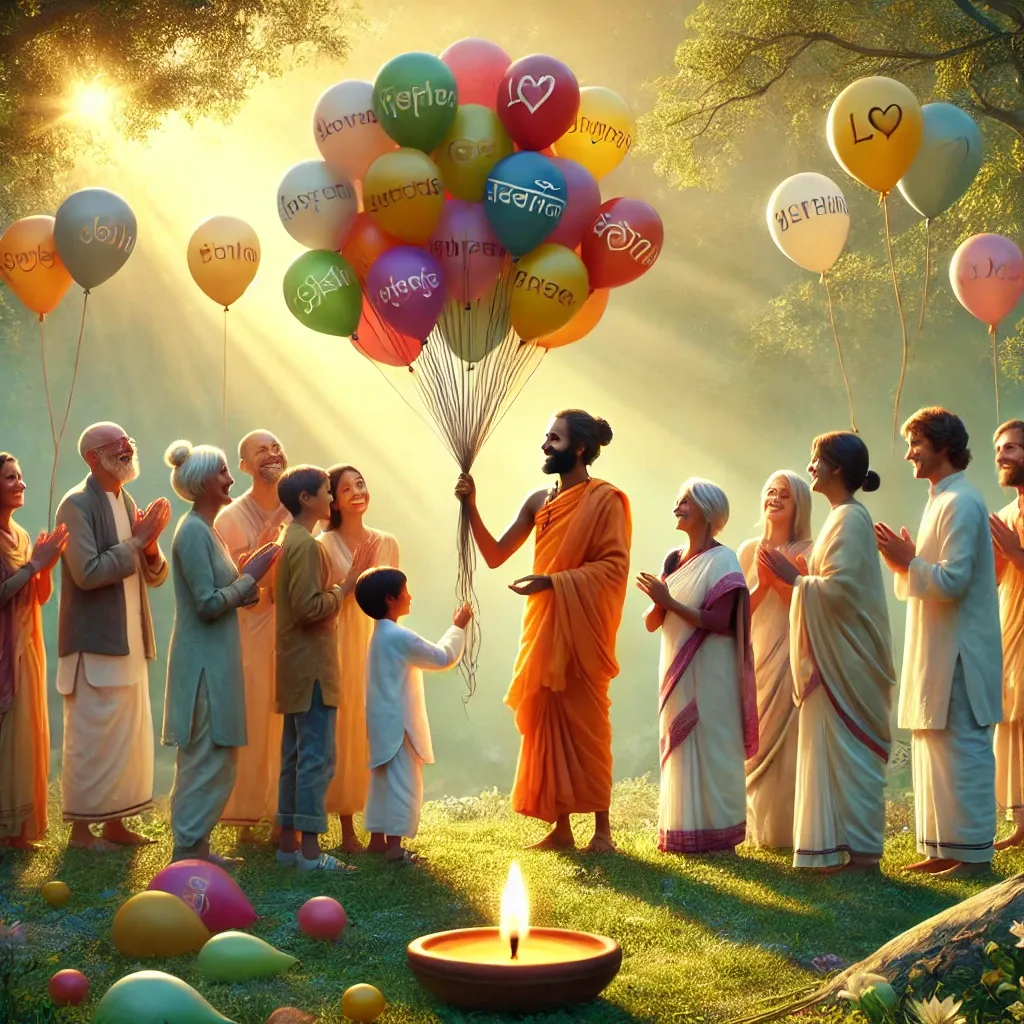
A Guru once gave each disciple a balloon with their name written on it. When told to find their own, chaos ensued. Then the Guru said, “Pick any balloon and hand it to the person whose name is on it.” Within minutes, everyone found theirs.
Moral: True happiness is not found in chasing our own joy but in giving joy to others.
“Happiness multiplies when shared—each act of kindness is a diya that lights another’s heart.” — Swami Mukundananda
The Little Boy with a Lamp in the Jungle
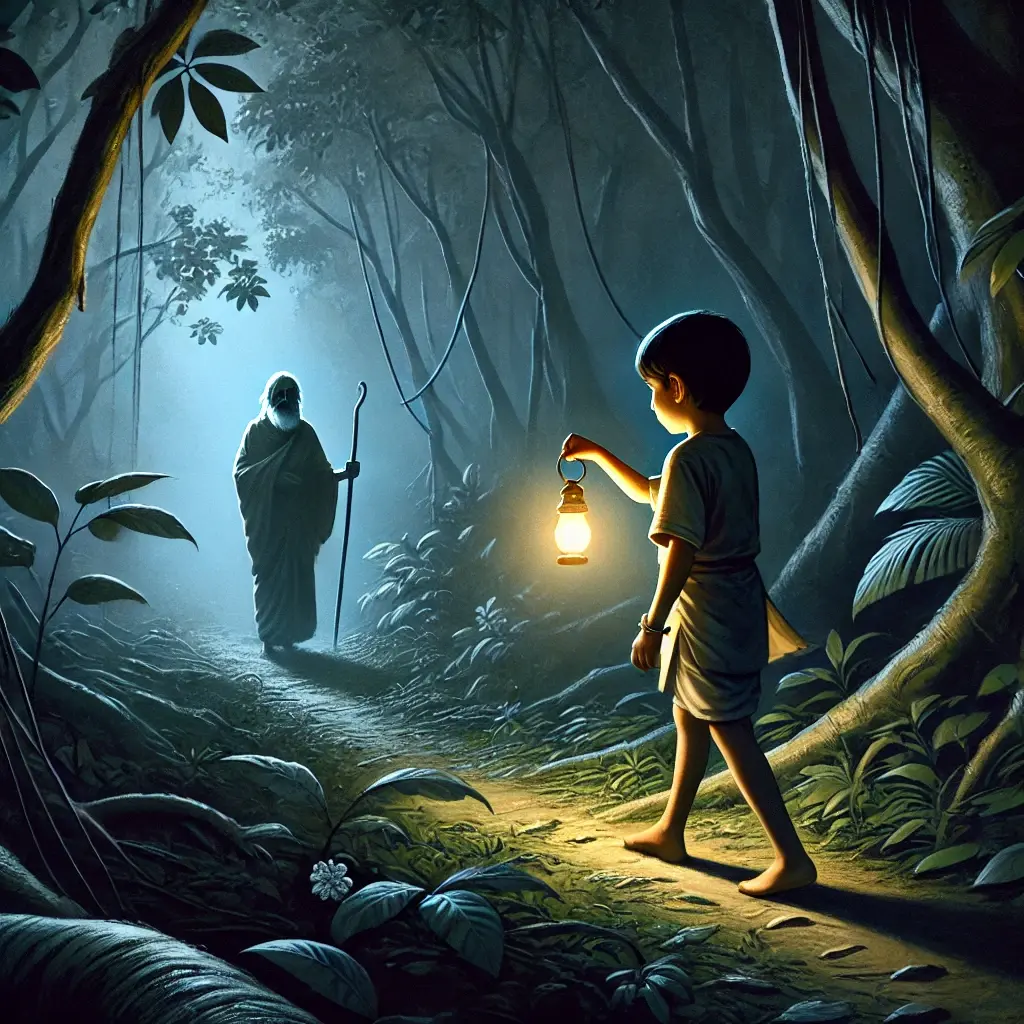
A small boy once had to cross a dense jungle at night. Trembling with fear, he held a tiny lamp that lit only a few steps ahead. A sage who was walking from there solved his dilemma by advising him to take a few steps, then the next few steps will appear, guiding him safely across.
Swami Mukundananda explains:
“The lamp of divine knowledge works the same way. We may not see the entire road ahead, but each step guided by faith dispels the little ignorance.”
Moral: Even a single flame of awareness can overcome the deepest darkness of fear and confusion—just as Diwali teaches that one light can awaken countless others.
The Gradual Shift: From Clay Lamps to LED Lights
In earlier generations, handmade clay diyas filled with oil or ghee illuminated homes and temples. Their soft glow symbolized humility and devotion—the soul’s light shining through simplicity.
Today, we often see LED lights twinkling across cities, balconies, and streets. While modern technology offers efficiency and sustainability, Swami Mukundananda encourages balance:
“Let technology aid your devotion, not replace it. The purpose of lighting a lamp—whether clay or LED—is to remind us to kindle inner light.”
The shift from clay diyas to LEDs represents not loss but evolution—a reminder to adapt outwardly while preserving inner purity. Just as energy-efficient lights illuminate more homes, spiritual efficiency means illuminating more hearts through love, service, and awareness.
Diwali Across India — A Spectrum of Light
Though celebrated differently across regions, Diwali’s universal message remains constant: righteousness, devotion, and joy.
| Region | Key Legend / Meaning | Rituals & Customs |
|---|---|---|
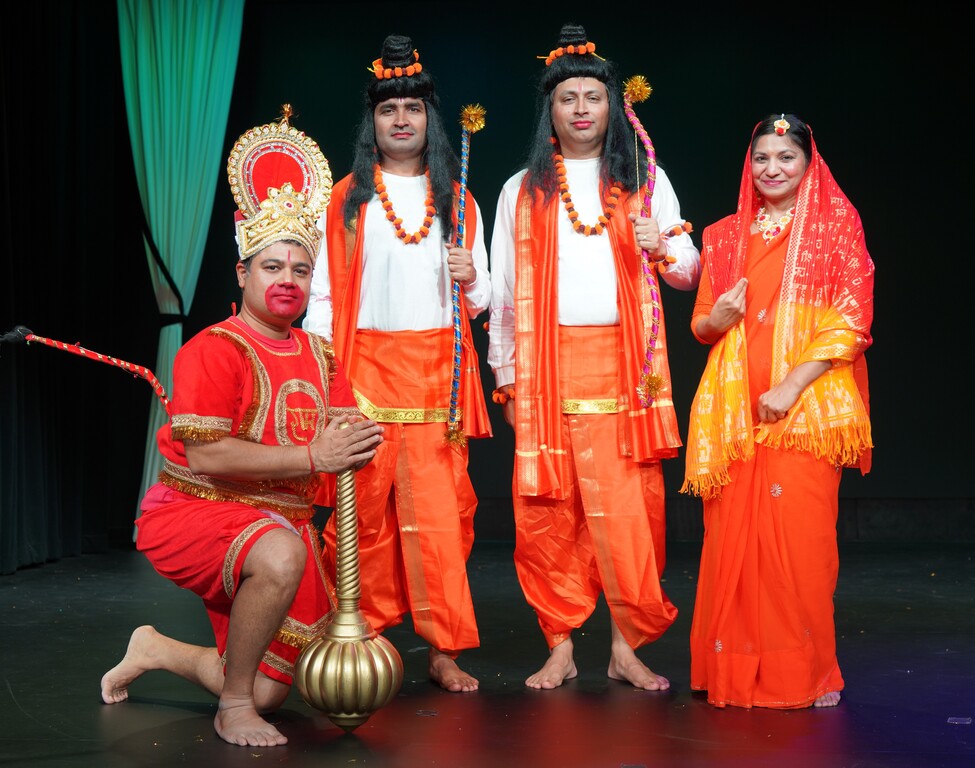
| North India | Return of Lord Rama to Ayodhya | Homes lit with lamps, Lakshmi–Ganesha Puja, fireworks |
| South India | Krishna’s victory over Narakasura | Early oil baths, sweets, lamps in courtyards |
| West India | Vishnu sending King Bali to nether realms | Rangoli, Annakut Puja, Govardhan worship |
| East India | Kali Puja and Shakti worship | Temples adorned, lamps, community feasts |
| Jain Community | Mahavira’s attainment of nirvana | Lamps celebrating spiritual enlightenment |
| Sikh Community | Bandi Chhor Divas—Guru Hargobind’s release | Gurudwaras lit, Langar, devotion and service |
Rama’s Return and the Inner Rāvaṇa
Swami Mukundananda often recalls an ancient anecdote: even Lord Shiva prayed to Lord Rama to destroy the “Ravana within.”
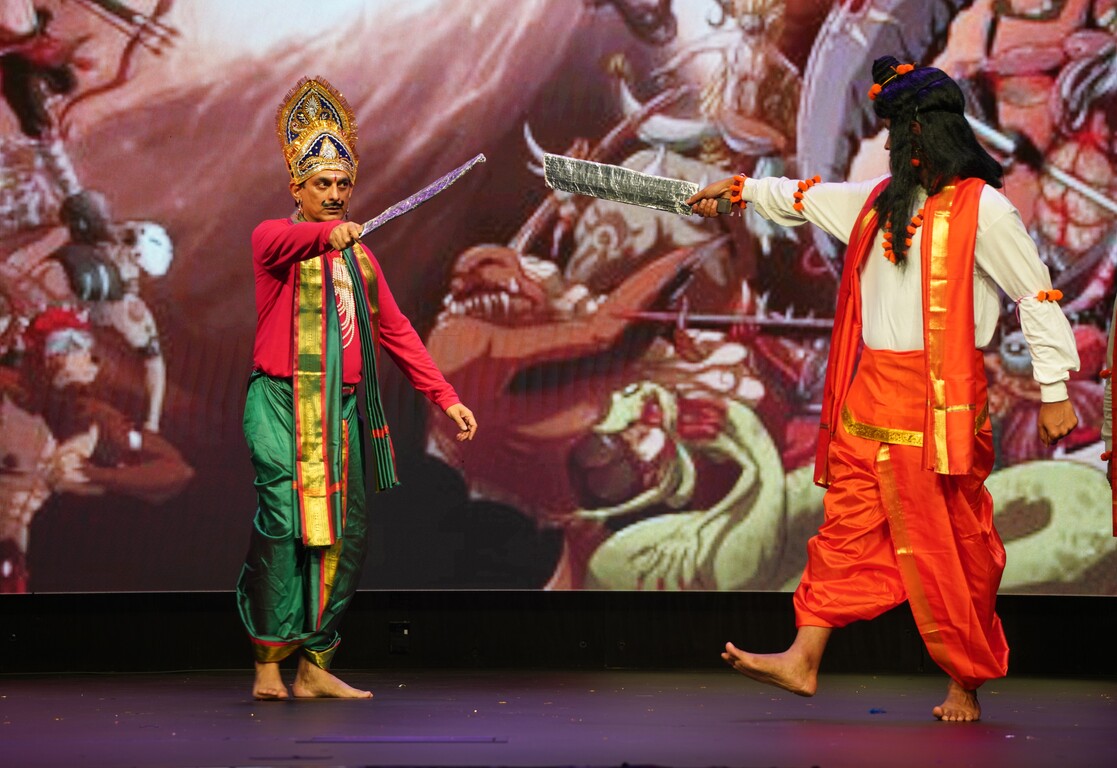
Ravana symbolizes lust, anger, pride, greed, and other vices. Thus, Rama’s victory is the soul’s inner victory—its return to God after conquering delusion.
“When the soul returns to its divine abode, the celebration of Diwali truly begins.”
The Light of Knowledge Dispels Darkness
The Bhagavad Gita emphasizes repeatedly that divine knowledge is the supreme light:
Sanskrit Verse:
“ज्ञानदीपेन भस्स्वतः” (jñāna-dīpena bhasvataḥ)
Translation: “With the shining lamp of knowledge, the Lord dispels the darkness of ignorance.” — Bhagavad Gita 10.11
Jagadguru Shri Kripalu Ji Maharaj said:
“Hari is like the Sun; Māyā is darkness. When God enters the heart, illusion departs.”
Every lamp lit on Diwali night symbolizes this truth—the light of divine wisdom guiding us beyond the shadow of ego.
Simple Ways to Celebrate Diwali Spiritually
- Begin within: Before lighting outer lamps, introspect—what fears or habits darken my heart?
- Light the inner lamp: Use rituals to awaken devotion, knowledge, and service.
- Perform Seva: Offer time, love, and resources to help others.
- Stay consistent: Let Diwali’s energy extend beyond one night—into daily remembrance.
- Share spiritual stories: Teach children about Lord Ram, Krishna, and divine virtues.
- Balance joy with awareness: Celebrate responsibly—mindful of nature and others.
- Reconnect with community: Attend satsangs or online discourses by Swami Mukundananda.
“Diwali is not just a festival; it’s a reminder to relight the flame of faith every day.” — Swami Mukundananda
The Spirit of Giving
In the Diwali spirit of generosity, Swami Mukundananda often shares moving stories that teach the essence of selfless giving—such as The Balloons of Happiness and The Little Boy with the Lamp.
“We rise by lifting others. When we give, we receive the grace that illumines the heart.”
JKYog embodies this principle through its initiatives in education, healthcare, and social welfare, uplifting underprivileged communities across India.
Devotees are invited to volunteer and contribute toward this divine mission—extending Diwali’s light to every corner of society.
Call to Action
Light your inner lamp with divine wisdom!
Subscribe to Swami Mukundananda’s YouTube Channel for daily inspiration, Gita discourses, meditation sessions, and stories that brighten your spiritual journey.
Frequently Asked Questions (FAQs)
1. What is the spiritual meaning of Diwali: A Spiritual Journey from Darkness to Light?
Diwali represents the soul’s awakening—the victory of divine wisdom over ignorance. Lighting lamps symbolizes igniting the flame of knowledge and love within.
2. Why do we worship Goddess Lakshmi and Lord Ganesha on Diwali?
Lord Ganesha removes obstacles, while Goddess Lakshmi blesses us with prosperity and purity. Their combined worship invites both inner wisdom and external success.
3. How can we celebrate Diwali in an eco-friendly and spiritual way?
- Use clay diyas or energy-efficient LEDs.
- Reduce fireworks and waste.
- Spend time in prayer, service, and gratitude.
- Share sweets with the needy.
4. What does the Bhagavad Gita teach about light and darkness?
In Bhagavad Gita 10.11, Lord Krishna says He destroys ignorance with the lamp of knowledge. The true Diwali occurs when this divine light illumines our hearts.
5. What are some ways to keep the Diwali spirit alive after the festival?
- Continue daily meditation and prayer.
- Practice kindness and gratitude.
- Serve others selflessly (seva).
- Reflect on your spiritual goals monthly.
Summary: Lighting the Lamp Within
- Outer lamps represent the inner light of wisdom.
- Cleaning homes mirrors purifying the heart.
- Lakshmi Puja signifies inviting divine grace.
- Rama’s return symbolizes the soul’s reunion with God.
- Knowledge (jñāna) dispels ignorance (tamas).
- Selfless service spreads light to others.
When each individual lights the flame of awareness, compassion, and devotion, the world collectively glows brighter.
Call to Action
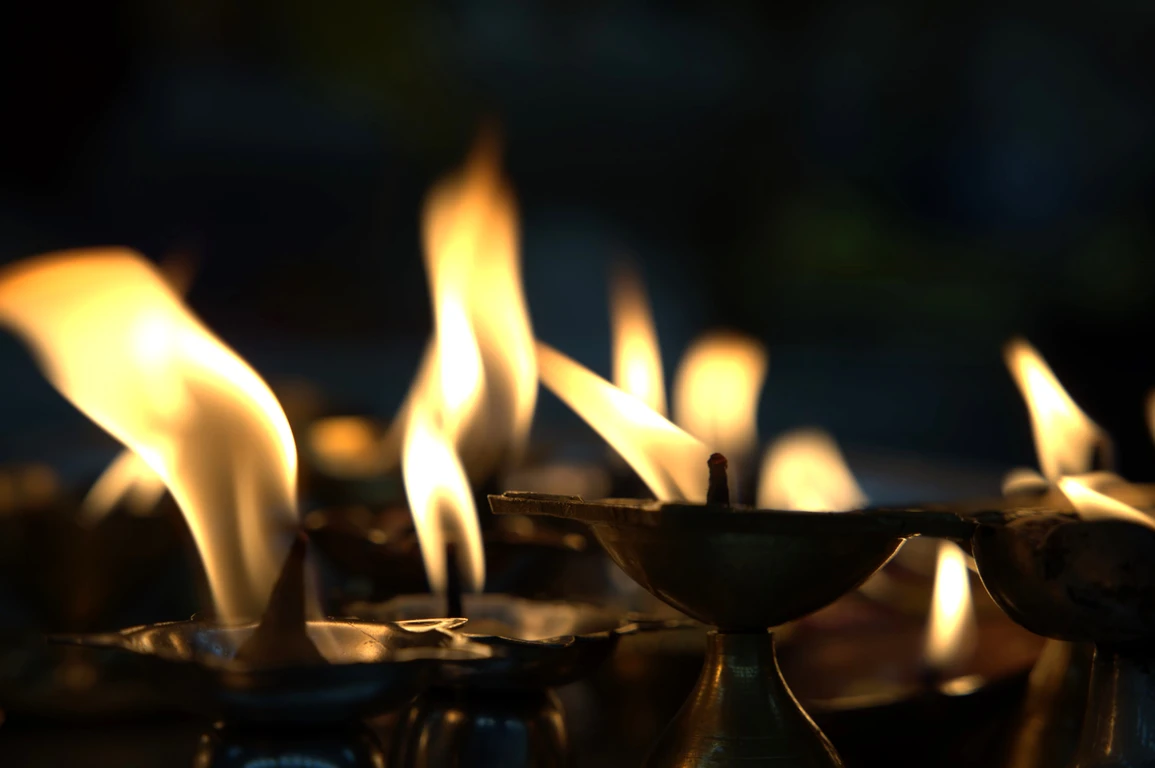
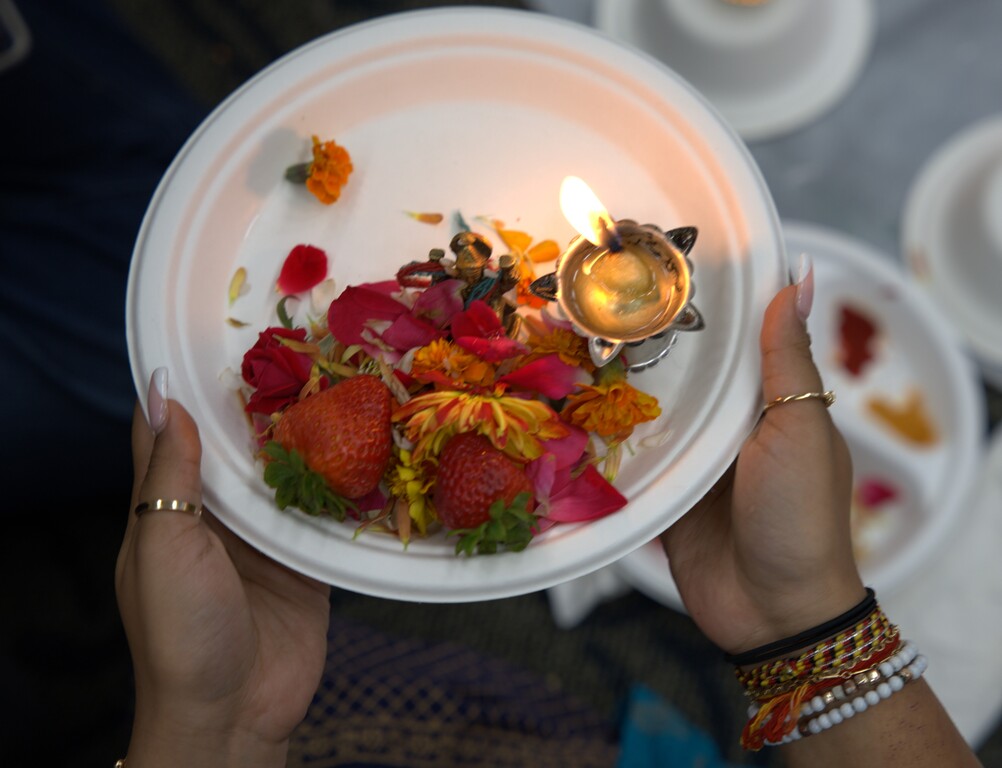
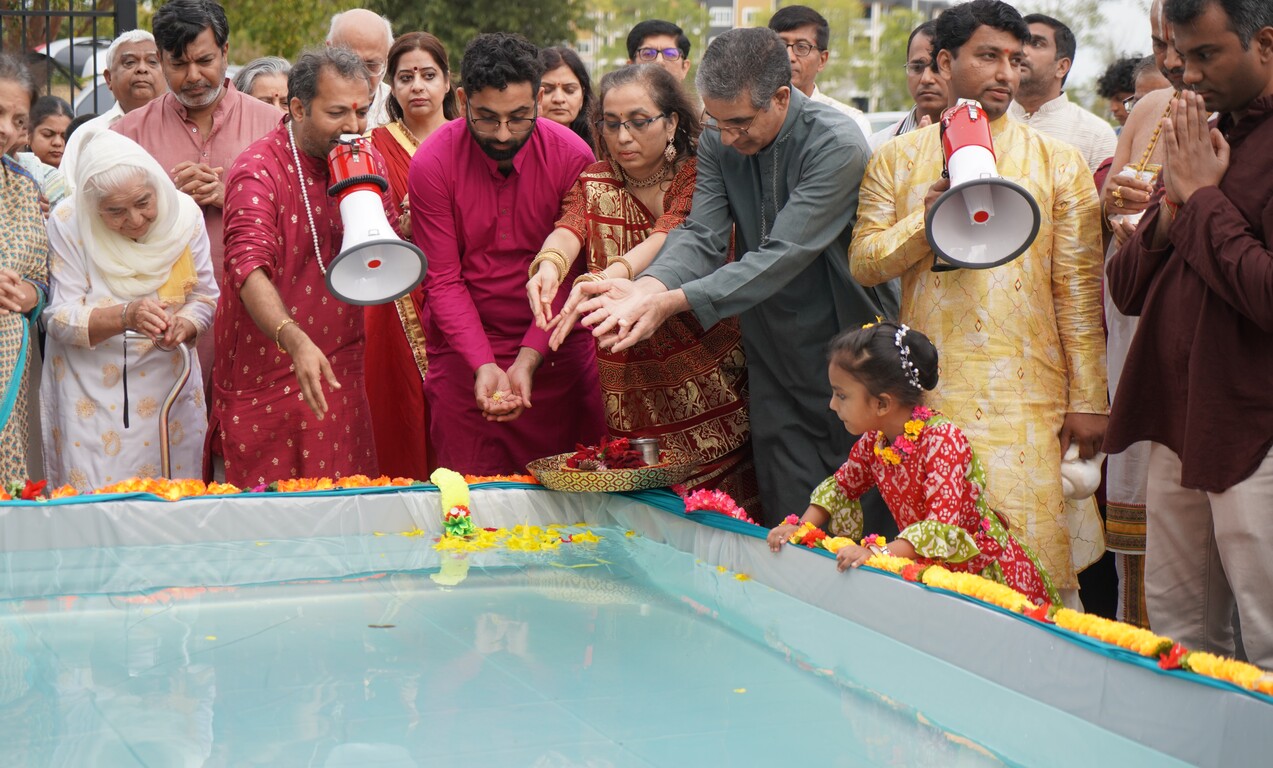
Diwali Mahotsav 2025 at Radha Krishna Temple of Dallas
A Celebration of Lights, Devotion & Festivities
October 17–21, 2025
Special Events: 24-Hour Akhand Ramayan Paath (Oct 11) | Govardhan Pooja (Oct 21)

💡 Click to light a diya
“Diwali is not just about external lights, but about lighting the lamp of knowledge within our hearts.”
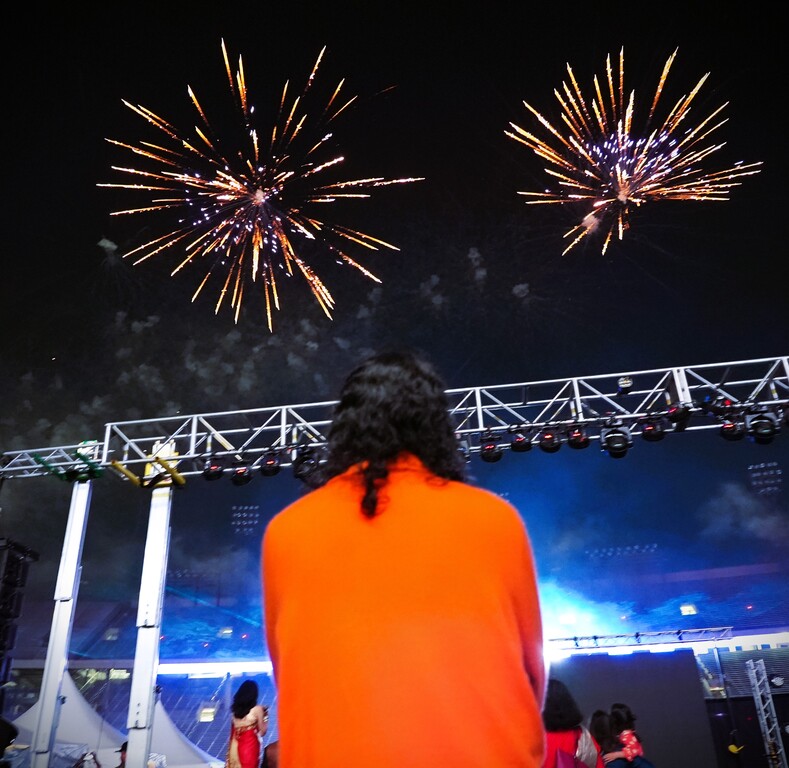


🚫 No outside fireworks allowed. Only authorized fireworks are permitted.
References & Citations
- Swami Mukundananda, 7 Mindsets for Success, Happiness and Fulfillment (JKYog Publications).
- Jagadguru Shri Kripalu Ji Maharaj, Prem Ras Siddhant.
- The Holy Bhagavad Gita, Chapter 10, Verse 11.
- JKYog Official Website: https://www.jkyog.org.
- Swami Mukundananda YouTube Channel: https://www.youtube.com/@swamimukundananda.
Closing Thought
“Lead me from the unreal to the real; from darkness to light; from death to immortality.” — Bṛhadāraṇyaka Upaniṣad